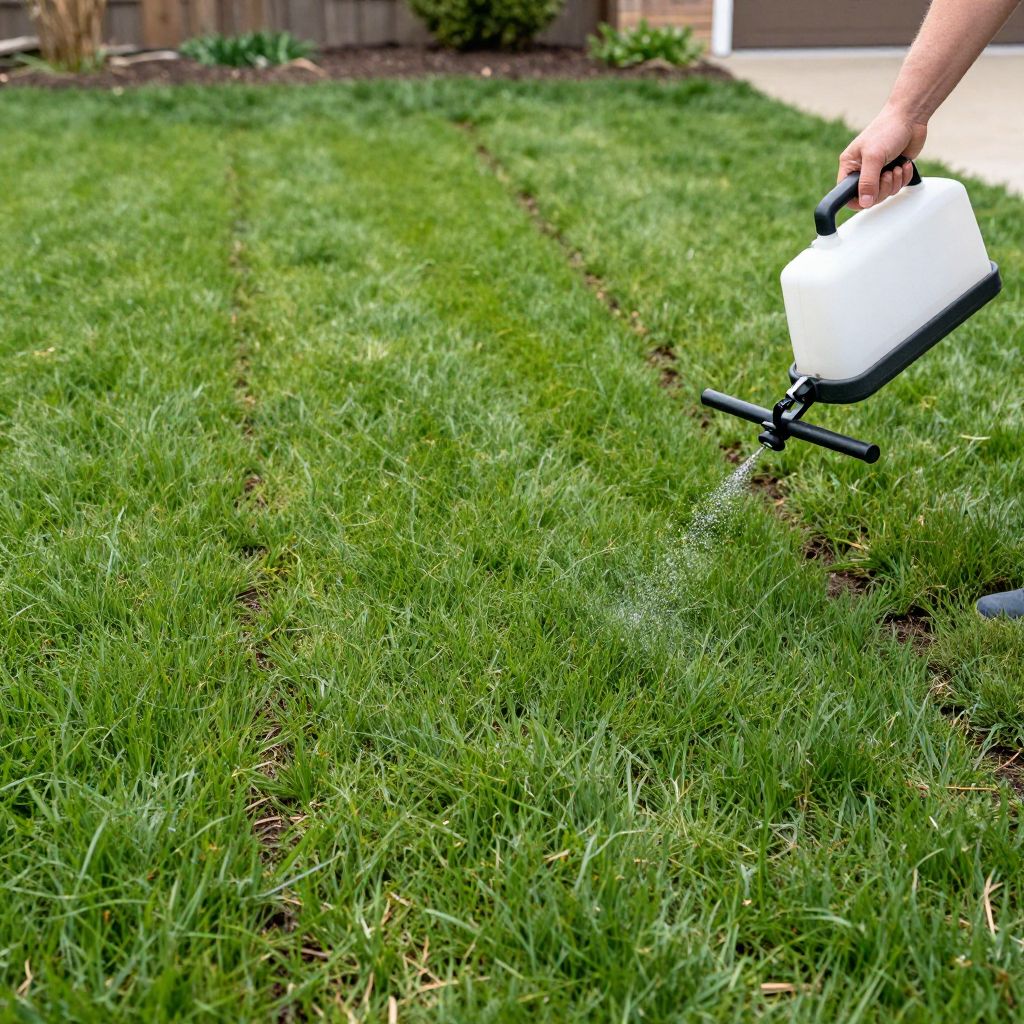
Wondering when to fertilize new sod so it roots well without being pushed too hard too soon? The short answer is: wait until the sod has started rooting into the soil, then feed lightly if your soil test or turf color suggests it needs it. Timing matters because newly laid sod needs steady moisture and root establishment more than a heavy fertilizer push.
The best schedule depends on the grass type, season, and how quickly the sod knits into your soil. A little patience early on usually gives you a stronger lawn later than fertilizing immediately after installation.
When to fertilize new sod?
In most cases, wait about 2 to 6 weeks after installation, or until the sod resists a gentle tug and you can see roots beginning to grow into the soil below. If the sod was installed with starter fertilizer, you may not need another feeding right away. Avoid heavy nitrogen too early, since it can stress tender roots and encourage top growth before the lawn is anchored.
Why timing matters for new sod
New sod is in a vulnerable transition period. The grass blades may look established, but the roots are still trying to connect with the underlying soil.
If you fertilize too soon, you can encourage lush top growth before the roots can support it. That can make the sod more dependent on water and more likely to dry out, yellow, or lift at the edges.
What new sod needs first
- Consistent moisture to help roots grow into the soil.
- Good soil contact so roots can bridge from the sod into the ground.
- Light, appropriate nutrition only after rooting begins.
- Low stress from traffic, mowing, and heat during establishment.
How to tell when new sod is ready for fertilizer
You do not need to guess blindly. A few simple checks can tell you whether the sod is ready for a light feeding.
- Do the tug test. Gently lift a corner or seam. If it resists and feels anchored, roots are forming.
- Check the underside. Look for white or tan roots extending into the soil below the sod layer.
- Watch the color. Healthy new sod should stay fairly even in color. Pale or yellowing turf may need attention, but first rule out watering problems.
- Assess growth rate. If the lawn is actively growing and has begun to knit together, it is more likely ready for a light fertilizer application.
If the sod still lifts easily like a carpet, keep focusing on watering and root establishment instead of fertilizing.
Best seasonal timing for fertilizing new sod
Season matters because grass grows differently in spring, summer, and fall. The right timing for new sod depends on whether you are dealing with cool-season or warm-season turf.
Cool-season grasses
Cool-season sod such as Kentucky bluegrass, perennial ryegrass, tall fescue, or fine fescues usually establishes best in early fall or spring. These seasons bring milder temperatures and less heat stress.
For newly installed cool-season sod, a starter fertilizer at installation is common, followed by a light feeding after rooting begins if needed. Fall installations often benefit from fertilizing once the sod is established because roots keep developing as temperatures cool.
Warm-season grasses
Warm-season sod such as bermudagrass, zoysiagrass, St. Augustinegrass, or centipedegrass generally roots best in late spring through summer, when soil temperatures are warm.
For these lawns, wait until the sod is clearly rooting and actively growing before applying fertilizer. Feeding too early in cool weather can be ineffective, because the grass may not be growing fast enough to use the nutrients well.
What if you installed sod in extreme weather?
If sod goes down during a heat wave, drought, or an unusually cool period, delay fertilizing until the grass is less stressed. In difficult weather, the safest priority is root establishment, not fast top growth.
Should you fertilize new sod at installation?
Sometimes, yes. Many installers use a starter fertilizer at the time of laying sod, especially if the soil is low in nutrients or the lawn has not been amended recently. Starter fertilizers are usually formulated to support root growth.
However, if the sod already received starter fertilizer, do not add more immediately unless a soil test or visible deficiency suggests a need. More fertilizer is not always better, especially during establishment.
When starter fertilizer makes sense
- Your soil test shows low phosphorus or general nutrient deficiency.
- The soil is poor, compacted, or newly graded.
- You did not amend the soil before installation.
- The sod was installed in a season when growth is active and roots can use nutrients.
How to fertilize new sod safely
When the sod is rooted enough to feed, keep the application modest. The goal is to support establishment, not force a flush of growth.
- Choose the right product. A starter fertilizer or a balanced lawn fertilizer is usually safer than a high-nitrogen quick-release product.
- Read the label carefully. Follow the product directions for new lawns and establishment timing.
- Apply evenly. Use a broadcast or drop spreader for even coverage and avoid overlap.
- Water it in if required. Many fertilizers need watering after application, but do not soak the lawn unless the product label says to do so.
- Keep traffic light. Avoid heavy use of the lawn for a few days after feeding.
If you are unsure, less is safer than more. A light feeding can help; an overapplication can set the lawn back.
Common mistakes to avoid with new sod
Most problems with new sod come from trying to rush the process. Here are the biggest mistakes to avoid.
- Fertilizing immediately after installation without checking root establishment.
- Using too much nitrogen, which can push weak, watery growth.
- Skipping watering and expecting fertilizer to solve poor rooting.
- Applying fertilizer during drought stress or extreme heat.
- Using weed-and-feed products on new sod, which can be too harsh for tender turf.
- Ignoring the soil test and fertilizing by guesswork.
Watering, mowing, and other care that affect fertilizing
Fertilizer works best when the rest of your lawn care is on track. New sod needs a balance of moisture, sunlight, and gentle handling.
Watering
Keep the sod evenly moist during establishment, but avoid soggy soil. Too much water can slow rooting and increase disease risk, while too little can dry out the seams and edges.
Once the sod has rooted, you can gradually shift from frequent shallow watering to deeper, less frequent irrigation, depending on your soil and climate.
Mowing
Do not mow until the sod has rooted enough that it will not lift underfoot. Mowing too early can disturb the new roots and undo progress.
Use a sharp blade and follow the one-third rule: never remove more than one-third of the grass blade at a time.
Soil and drainage
Poor drainage can make fertilizer less effective and increase the chance of root problems. If water puddles on the lawn or the soil stays saturated for long periods, address grading or drainage before increasing fertility.
How soil test results change the answer
A soil test is the best way to know whether your new sod actually needs fertilizer. It can show whether your soil is low in phosphorus, potassium, or pH balance, all of which affect establishment.
If the soil test is good and the sod is rooting well, you may not need to fertilize right away. If the test shows deficiencies, a targeted application after rooting is usually more useful than repeated feeding.
Troubleshooting: what if new sod looks weak?
Yellowing, patchiness, or slow rooting does not always mean the lawn needs fertilizer. First, check the basics.
- Dry edges or lifting seams usually point to watering issues.
- Soft, spongy, or foul-smelling soil can suggest overwatering or poor drainage.
- Pale color with slow growth may indicate nutrient deficiency, but only after moisture and rooting are ruled out.
- Brown patches can come from heat stress, uneven watering, or disease rather than lack of fertilizer.
If the sod is still not rooting after a few weeks, review installation quality, soil contact, irrigation, and weather conditions before adding more fertilizer.
Simple seasonal guide for new sod fertilization
- Spring: Good time for cool-season sod; fertilize lightly after rooting if needed.
- Summer: Best for warm-season sod; avoid overfertilizing during heat stress.
- Fall: Excellent for cool-season sod; a light feeding after establishment can support root growth.
- Winter: Usually not the time to fertilize new sod unless your climate and grass type are actively growing.
Conclusion
When to fertilize new sod comes down to one rule: wait until the sod is rooted, then feed lightly only if it needs it. Focus first on watering, soil contact, and stress-free establishment. Once the lawn is anchored and actively growing, a careful fertilizer application can help it thicken and settle in.
If you want to keep improving your lawn care routine, consider reading more about how to water new sod correctly and how to tell if your lawn needs a soil test.