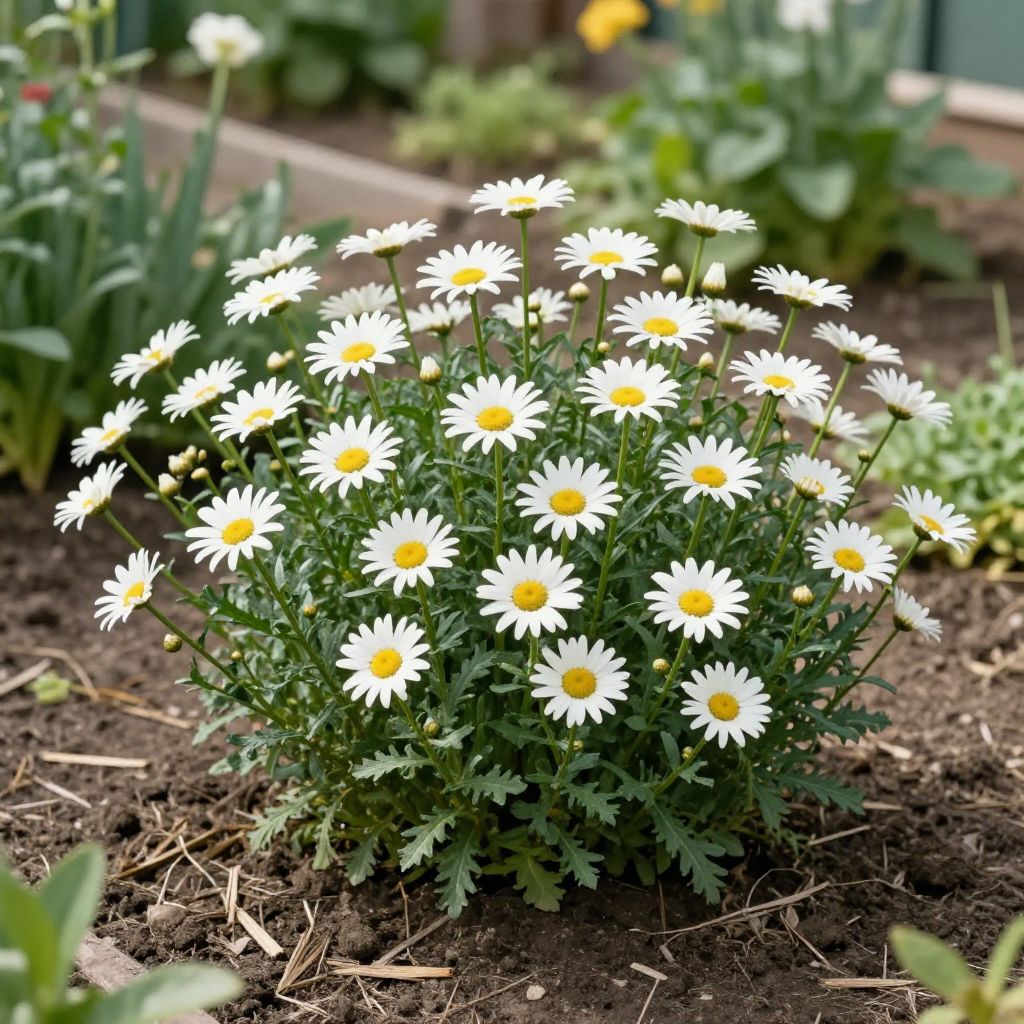
Are daisies perennials? In many gardens, yes—but not all plants called “daisies” behave the same way. Some true daisies return year after year, while others are short-lived perennials or are grown as annuals depending on climate.
The key is to identify the type you have and match it to the right growing conditions. Once you know whether your daisy is hardy, tender, or best treated as a seasonal plant, care becomes much easier.
Are daisies perennials?
Many daisies are perennials, but the answer depends on the species. Shasta daisy (Leucanthemum × superbum) and oxeye daisy (Leucanthemum vulgare) are classic perennial types, while some “daisy” flowers sold in shops are annuals or short-lived perennials in colder climates. Check the plant label or botanical name to know what to expect.
Which daisies come back every year?
When gardeners ask whether daisies are perennials, they usually mean the common garden daisies that form clumps and bloom in summer. These are the ones most likely to return reliably if they are planted in the right spot and divided when needed.
Common perennial daisy types
- Shasta daisy (Leucanthemum × superbum)
- Oxeye daisy (Leucanthemum vulgare)
- English daisy (Bellis perennis) in mild climates, though often grown as a cool-season perennial or biennial
- Gerbera daisy (Gerbera jamesonii) as a perennial in frost-free or mild regions, but often grown as a tender perennial or annual elsewhere
That last point matters. A plant can be perennial in one climate and fail in another because of winter cold, summer heat, or overly wet soil.
Why some daisies don’t return
- The plant is not truly perennial.
- Winter temperatures are colder than the plant can tolerate.
- Soil stays too wet and the crown rots.
- The clump becomes old and crowded, then declines.
- Plants are grown in containers and the roots freeze more easily.
How to grow perennial daisies successfully
Perennial daisies are usually easy plants if you give them sun, drainage, and room to grow. They are not demanding, but they dislike soggy soil and weak light. Good planting and simple maintenance make a big difference in whether they come back strongly.
Sunlight
Most perennial daisies bloom best in full sun, meaning at least 6 hours of direct light daily. In very hot regions, afternoon shade can help prevent stress and keep flowers looking fresher longer.
Soil and drainage
Daisies prefer soil that drains well but still holds some moisture. Heavy clay can work if you improve it with compost and avoid planting in low spots where water collects.
- Mix in compost to improve structure and fertility.
- Avoid waterlogged beds.
- Use raised beds or mounded planting areas if your soil stays wet.
Good drainage is one of the most important factors for long-term survival. A daisy that sits in soggy soil may look fine for a while, then suddenly decline.
Planting depth and spacing
Set transplants at the same depth they were growing in their nursery pots. Space plants so air can move around the foliage; crowded clumps are more likely to develop mildew and other leaf problems.
- Leave enough room for the mature spread listed on the plant tag.
- Do not bury the crown.
- Water well after planting to settle the soil.
Watering and feeding perennial daisies
Newly planted daisies need steady moisture while roots establish, but established plants usually prefer moderate watering rather than constant wetness. Let the top layer of soil dry slightly between waterings, especially in cooler weather.
Watering tips
- Water deeply instead of giving frequent light sprinkles.
- Water at the base of the plant when possible.
- Reduce watering in rainy periods or cool seasons.
- Watch potted daisies closely, since containers dry out faster than garden beds.
Overwatering is a common mistake. If leaves yellow, stems soften, or the crown looks mushy, check drainage before adding more water.
Fertilizing
Daisies usually do not need heavy feeding. Too much nitrogen can cause lush leaves and fewer flowers. A light spring topdressing of compost is often enough in average garden soil.
- Use compost to improve soil naturally.
- Avoid overfeeding if plants are already growing strongly.
- If blooms are weak, check sunlight first before adding fertilizer.
Pruning, deadheading, and dividing daisies
Regular maintenance helps perennial daisies stay tidy and bloom longer. Deadheading, cutting back spent stems, and dividing older clumps can keep plants vigorous for years.
Deadheading spent flowers
Remove faded blooms to encourage more flowering and prevent the plant from putting energy into seed production. Snip the stem back to a healthy set of leaves or side shoot.
Cutting back after flowering
After the main bloom flush, trim the plant lightly to neaten it. In some climates, a stronger cutback after flowering can help the plant recover and produce fresh foliage.
Dividing crowded clumps
Many perennial daisies benefit from division every few years, especially if the center becomes woody or flowering declines. This is one of the best ways to keep them returning strongly.
- Dig up the clump carefully with a spade or garden fork.
- Shake off excess soil so you can see the crown and roots.
- Split the plant into healthy sections with roots and shoots attached.
- Replant the strongest divisions promptly.
- Water well and keep the soil evenly moist while they reestablish.
If the center of the plant is dead and the outer edges are still vigorous, dividing is especially helpful.
Do daisies survive winter?
Hardiness depends on the species and your climate. True perennial daisies often survive winter outdoors in the ground, but they may struggle in exposed sites, poorly drained soil, or very cold regions. Tender types may need extra protection or should be grown as seasonal plants.
Winter care basics
- Leave a light mulch around the base in cold areas after the soil cools.
- Do not pile mulch directly against the crown.
- Cut back dead stems if needed, but leave some top growth if it helps protect the crown in your region.
- Keep winter-wet soil from pooling around the roots.
In containers, move pots to a sheltered spot if your climate has hard freezes. Potted roots are more exposed than in-ground roots.
Common problems with perennial daisies
Most daisy problems come from too much moisture, poor air circulation, or too little sun. Catching issues early makes it easier to save the plant and improve future growth.
Pests
- Aphids may cluster on new growth and flower stems.
- Slugs and snails can chew leaves, especially in damp gardens.
- Spider mites may appear in hot, dry conditions.
Use a strong spray of water for light aphid infestations, remove hiding places for slugs, and keep plants watered appropriately to reduce stress.
Diseases
- Powdery mildew can appear when air flow is poor or plants are crowded.
- Root rot is common in wet soil.
- Leaf spots may show up in humid weather or on stressed plants.
To reduce disease, space plants well, avoid overhead watering late in the day, and remove badly affected leaves. If a plant repeatedly declines in the same spot, the soil may be the real problem.
How to tell if your daisy is annual or perennial
If you are not sure what you bought, the label or plant tag is the best clue. Botanical names are more reliable than common names, because “daisy” can refer to several different plants.
Look for these clues
- Perennial: returns from the same crown or clump year after year in suitable climates.
- Annual: completes its life cycle in one season.
- Short-lived perennial: may return for a few years, then decline.
- Tender perennial: survives only in mild winters or with protection.
If the plant blooms heavily in one season but disappears after frost, it may be annual in your area even if it is perennial somewhere warmer.
Best uses for perennial daisies in the garden
Perennial daisies are useful in borders, cottage gardens, pollinator-friendly beds, and informal plantings. Their simple flowers pair well with grasses, salvia, coneflowers, and other sun-loving perennials.
- Use them in mixed borders for a bright, informal look.
- Plant them in groups for a stronger visual effect.
- Combine them with plants that need similar sun and drainage.
- Deadhead regularly if you want a longer bloom display.
They also make good cut flowers, especially the classic white Shasta daisy types. Harvest stems when the blooms are just opening for the longest vase life.
Conclusion
So, are daisies perennials? Often yes, but only if you choose the right type and give it the right conditions. Check the botanical name, plant in well-drained soil, provide plenty of sun, and divide crowded clumps when flowering declines. If you want to compare other garden flowers, you may also find these guides helpful: are dahlias perennials or annuals and are tulips perennials or annuals.