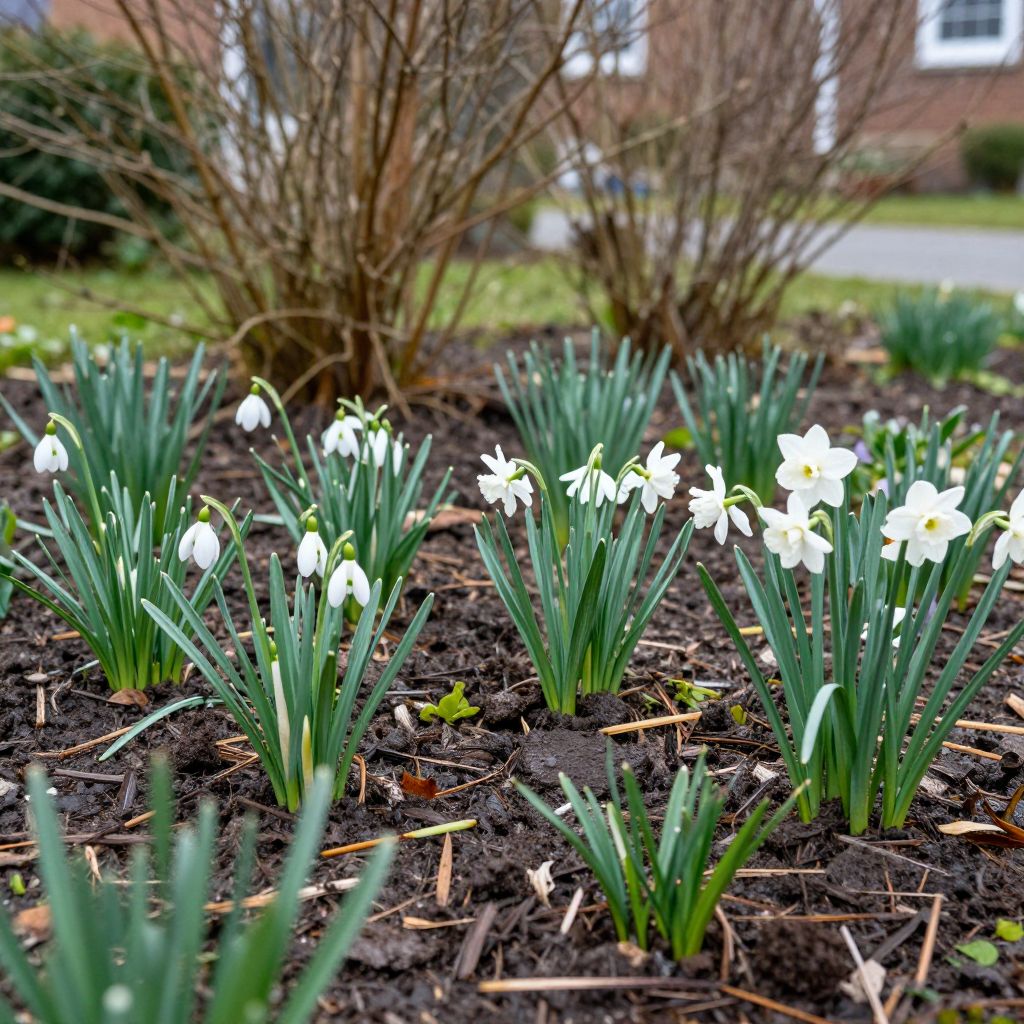
Wondering what flowers bloom in early spring? The best choices are plants that start growing while nights are still cool and days are still short, such as snowdrops, crocus, hellebores, winter aconite, early daffodils, and primroses. Some bloom from bulbs, others from hardy perennials, and a few can be started indoors for very early color.
If you want dependable spring flowers, focus on soil drainage, sunlight, and planting at the right time for your climate. A little planning in autumn or late winter can give you weeks of color just as the garden wakes up.
What flowers bloom in early spring?
Early spring bloomers are cold-tolerant flowers that open as temperatures begin to rise, often before many trees leaf out. Common choices include snowdrops, crocus, hellebores, winter aconite, grape hyacinth, primrose, pansy, and early daffodils. In mild climates, some may bloom in late winter; in colder areas, they appear soon after the soil thaws.
Best early spring flowers for the garden
Bulbs that bloom first
Bulbs are often the earliest and easiest way to get spring color. They store energy underground, so they can push up flowers quickly when conditions improve.
- Snowdrops (Galanthus) — tiny white flowers that often bloom while snow is still present.
- Crocus (Crocus) — low-growing blooms in purple, yellow, white, and striped forms.
- Winter aconite (Eranthis hyemalis) — bright yellow flowers that open low to the ground.
- Early daffodils (Narcissus) — reliable, deer-resistant bulbs with trumpet or small-cupped flowers.
- Grape hyacinth (Muscari) — compact blue or purple flower spikes that naturalize well.
Perennials and cool-season flowers
Some perennials bloom early because they tolerate cool weather and have established root systems. These are especially useful if you want flowers that return each year with less replanting.
- Hellebores (Helleborus) — often bloom from late winter into spring, with nodding flowers in white, pink, green, or purple.
- Primrose (Primula) — thrives in cool, moist conditions and offers bright, cheerful flowers.
- Violas and pansies (Viola) — excellent for containers and beds in cool weather.
- Lungwort (Pulmonaria) — early flowers plus attractive foliage for shade gardens.
- Bleeding heart (Lamprocapnos spectabilis) — blooms in spring once growth is underway, especially in partial shade.
Annuals and bedding plants for quick color
In many regions, cool-season annuals can be planted early for instant spring color. These are useful if you want flowers before summer annuals are ready.
- Pansies and violas — among the most dependable cool-weather bedding plants.
- Calendula — bright orange or yellow flowers that tolerate chilly weather.
- Sweet alyssum — low, fragrant clusters that work well at borders and in containers.
How to choose the right early spring flowers for your climate
The best early spring flowers for your garden depend on local temperatures, frost dates, and soil moisture. A plant that blooms in February in a mild coastal area may not flower until April or May in a colder inland garden.
Match bloom time to your weather
- Cold climates: Choose hardy bulbs and perennials that can handle freeze-thaw cycles, such as crocus, snowdrops, hellebores, and daffodils.
- Mild climates: You can often grow a wider range of early bloomers, including pansies, primroses, and some spring bulbs that may flower earlier.
- Wet spring soils: Favor plants that tolerate moisture and avoid bulbs that rot easily in poorly drained ground.
- Dry spring soils: Use mulch and choose plants that can handle brief dry spells once established.
Sunlight matters
Most early spring flowers bloom best in full sun to partial shade. Because deciduous trees are still leafless in early spring, a spot that becomes shady later in the year may still provide enough light for spring bulbs and woodland perennials.
Planting early spring flowers for the best bloom
When to plant
Planting time depends on the type of flower and your climate. Spring-blooming bulbs are usually planted in fall, while many cool-season annuals can be planted in late winter or early spring once the soil is workable. Hellebores and other perennials are often planted in spring or fall, depending on local conditions.
Soil and drainage
Good drainage is one of the most important factors for early spring flowers, especially bulbs. Waterlogged soil can cause rot before the plants even emerge.
- Work in compost to improve soil structure.
- Use raised beds or mounded planting areas if your garden stays wet.
- Aim for soil that is loose and crumbly, not compacted.
If your soil is heavy clay, add organic matter over time rather than trying to “fix” it all at once. For bulbs, drainage matters more than rich soil.
Planting depth and spacing
For bulbs, follow the package directions for each species, since planting depth varies. As a general rule, many bulbs are planted about two to three times as deep as the bulb is tall. Space them so mature clumps have room to expand.
For perennials and bedding plants, set them at the same depth they were growing in the pot unless the plant label says otherwise. Water them in well after planting to settle the soil around the roots.
Care tips for strong early spring blooms
Watering
Early spring flowers usually need consistent moisture while they are actively growing, but not soggy soil. Rain often provides enough moisture in spring, so check the soil before watering.
- Water when the top inch of soil feels dry for annuals and newly planted perennials.
- Keep bulbs lightly moist after planting in fall, then rely on natural moisture unless the soil dries out.
- Use a watering can or hose with a gentle spray to avoid disturbing emerging shoots.
Mulching
A thin layer of mulch helps conserve moisture and suppress weeds. Keep mulch a few inches away from crowns and bulb shoots so emerging growth does not rot or smother.
Feeding
Most early spring flowers do not need heavy feeding. Too much nitrogen can produce lush leaves with fewer blooms. A light top-dressing of compost in early spring is often enough for established beds.
Deadheading and cleanup
Remove spent flowers from pansies, violas, primroses, and many perennials to encourage more blooms. For bulbs, let the foliage yellow naturally after flowering so the plant can recharge for next year.
Do not cut back bulb leaves too early. The leaves are feeding the bulb for next season’s flowers.
Common problems with early spring flowers
Frost damage
Late frosts can bruise flowers or blacken tender buds. If frost is forecast, cover vulnerable plants with frost cloth, a sheet, or a light blanket overnight, then remove it in the morning.
Rot and poor emergence
If bulbs fail to emerge, the cause is often poor drainage, planting too shallow, or damage from rodents. Inspect the site and improve drainage before replanting.
Leggy growth
Plants that stretch and flop are usually getting too little light. Move containers to a brighter spot or thin nearby growth that is shading the bed.
Pests and diseases
Slugs can damage tender leaves and flowers, especially in damp spring weather. Aphids may cluster on new growth, and fungal problems can appear if plants are crowded or watered overhead.
- Check plants early in the day for chewing damage.
- Remove debris where slugs hide.
- Water at soil level when possible.
- Space plants for airflow to reduce disease pressure.
Using early spring flowers in beds, borders, and containers
Early spring flowers are especially useful because they fill the gap before summer perennials take over. You can mix bulbs, perennials, and cool-season annuals for a longer display.
In garden beds
Plant bulbs in drifts rather than single rows for a more natural look. Pair them with low perennials like pulmonaria or hellebores so the bed still looks full after the bulbs finish.
In containers
Containers warm up faster than garden soil, so they can bloom earlier. Use a pot with drainage holes and a high-quality potting mix, then combine pansies, violas, and small bulbs for layered color.
Container plants dry out faster than in-ground plants, so check moisture more often during windy or sunny spells.
How to extend the bloom season
You can keep early spring color going by combining plants with different bloom times. For example, snowdrops may open first, followed by crocus, then daffodils, then tulips or later perennials.
- Choose a mix of very early, early, and mid-spring bloomers.
- Plant in groups for a stronger visual effect.
- Include at least one perennial or shrub that provides structure after bloom.
- Deadhead annuals regularly and keep soil evenly moist.
What to do next
If you want early spring flowers next year, start planning now by noting where the sun falls, which areas drain well, and which spots stay cold or wet. Then choose a few reliable bulbs and cool-season plants that fit your conditions, and plant them in the right season for your climate.
For more seasonal planning, you may also enjoy reading about spring bulb planting and cool-weather container flowers.