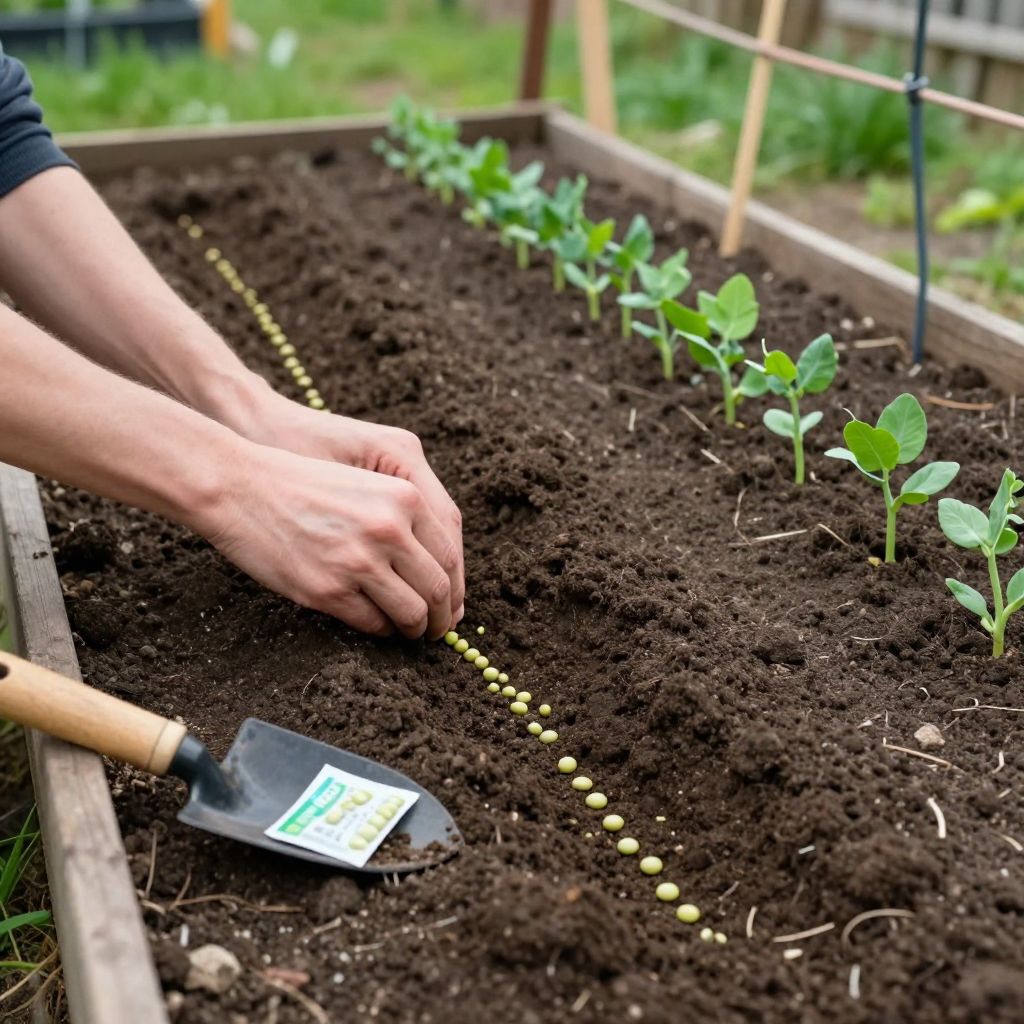
Wondering when to plant peas so they sprout quickly and produce a good crop? Peas are cool-season vegetables, and timing matters more than almost anything else. Plant them too late and heat can stop flowering and reduce yields; plant them too early in cold, soggy soil and seeds may rot or stall.
The best planting time depends on your local climate, soil temperature, and whether you’re growing shelling peas, snap peas, or snow peas. With the right timing and a few simple growing habits, peas are one of the easiest spring crops to get right.
When to plant peas?
Plant peas as soon as the soil can be worked in early spring, when it is no longer waterlogged and has warmed to about 40–45°F. In many areas, that means 4 to 6 weeks before your last expected frost. For a fall crop in mild climates, sow again 8 to 10 weeks before your first expected frost.
Why timing matters for peas
Peas germinate and grow best in cool weather. They can handle light frost, but they dislike sustained heat. Once temperatures rise, plants often flower less, pods fill poorly, and vines decline faster.
Good timing helps you get strong seedlings, steady flowering, and a longer harvest window. It also reduces problems with seed rot, slow emergence, and mildew later in the season.
What happens if you plant too early?
If the soil is cold and wet, pea seeds may sit without sprouting. In heavy soil, they can rot before they emerge. Very early planting is fine only if your soil drains well and you’re not working it when it is still sticky or compacted.
What happens if you plant too late?
Late-planted peas often grow quickly at first, then struggle when warm weather arrives. You may get fewer pods, smaller harvests, and more pest pressure. In hot climates, spring can be the only reliable pea season.
Best planting conditions for peas
Peas prefer full sun in cool weather, though they can tolerate a little afternoon shade in warmer spring regions. They grow best in loose, fertile, well-drained soil with plenty of organic matter.
- Sunlight: At least 6 hours of direct sun is ideal.
- Soil: Loose, crumbly soil that drains well.
- pH: Slightly acidic to neutral soil is usually best.
- Temperature: Cool conditions for germination and growth.
Peas do not like heavy, waterlogged ground. If your soil stays wet after rain, consider raised beds or planting on a slight mound.
How to know when your soil is ready
Instead of relying only on the calendar, check your soil. If it crumbles in your hand and no longer sticks together in a wet lump, it is usually ready to plant. If you can squeeze water out of it, wait a few more days.
A soil thermometer is helpful, but not required. If you use one, aim for soil temperatures around 40–45°F or higher for sowing. Peas can germinate in cool soil, but warmer soil usually gives faster, more reliable sprouting.
How to plant peas step by step
- Choose a sunny spot with well-drained soil.
- Loosen the top 6 to 8 inches of soil.
- Mix in compost if the soil is poor or compacted.
- Sow seeds about 1 to 1 1/2 inches deep.
- Space seeds 1 to 2 inches apart in rows or bands.
- Water gently after planting.
- Install support if you are growing tall varieties.
For bushier or shorter peas, light support may be enough. For climbing types, add a trellis, netting, or pea fence at planting time so the vines can grab onto it early.
Should you soak pea seeds first?
Soaking pea seeds overnight can speed germination in some gardens, especially if the soil is on the cool side. It is optional, not required. If you do soak them, plant them promptly and do not leave them in water too long.
Spring planting vs. fall planting
Most gardeners grow peas as a spring crop. In cooler regions, spring sowing is the most dependable option because peas mature before hot weather arrives.
In mild climates, you may also sow peas in late summer or early fall for a second crop. The key is to give plants enough cool weather to flower and set pods before hard freezes or prolonged heat returns.
Spring crop timing
Plant as soon as the soil is workable and before the weather turns warm. If your area has unpredictable late frosts, peas usually tolerate light frost better than many vegetables.
Fall crop timing
Fall planting works best where autumn stays cool for a long stretch. Start early enough that plants can establish and flower before cold weather slows them down.
Growing tips for healthy pea plants
Peas are not heavy feeders, but they do appreciate decent soil and consistent moisture while they are establishing and flowering.
- Water evenly: Keep soil lightly moist, especially during germination and pod formation.
- Mulch lightly: A thin layer helps conserve moisture and suppress weeds.
- Support vines: Trellises improve airflow and make harvesting easier.
- Pick regularly: Frequent harvesting encourages more pods.
Avoid overwatering. Peas need steady moisture, but soggy soil can lead to weak growth and disease problems.
Do peas need fertilizer?
Usually, peas need little or no extra fertilizer if your soil is reasonably fertile. Too much nitrogen can produce lush leaves with fewer pods. Compost is often enough for home gardens, especially if added before planting.
Common problems when planting peas
Most pea problems start with weather, soil, or crowding. Catching them early makes a big difference.
Seeds do not sprout
This is often caused by cold, wet soil or old seed. If the soil is too wet, wait and replant in better-drained ground. If seed is more than a couple of years old, germination may be lower.
Plants grow but do not flower well
Heat is the most common reason. Peas often stop producing well once temperatures rise. Too much nitrogen can also push leafy growth instead of flowers and pods.
Leaves turn pale or dusty
Powdery mildew can show up as weather warms, especially if plants are crowded or airflow is poor. Trellising, spacing, and avoiding overhead watering in the evening can help reduce it.
Young plants get chewed
Birds, slugs, and other pests may nibble seedlings. Use row cover early on if pests are a problem, and keep the area free of debris where slugs hide.
When to harvest peas
Harvest time depends on the type of pea you planted. Pick regularly once pods reach usable size, because many peas taste best when tender and young.
- Shelling peas: Harvest when pods are plump but still tender.
- Snap peas: Pick when pods are full-sized and crisp.
- Snow peas: Harvest when pods are flat and before the peas inside swell too much.
The more often you pick, the more the plant may continue producing. Check vines every day or two once they start setting pods.
Simple mistakes to avoid
- Planting in soggy soil.
- Waiting too long and sowing after warm weather arrives.
- Using too much nitrogen fertilizer.
- Skipping support for climbing varieties.
- Letting pods get overmature before picking.
These are easy mistakes to fix once you know what peas need: cool weather, drainage, and steady attention during early growth and harvest.
Final takeaways
The best time to plant peas is early spring, as soon as the soil can be worked, or in late summer for a fall crop in mild areas. Focus on cool weather, good drainage, and timely harvesting, and you’ll give your peas the best chance to thrive.
If you want to compare pea types and refine your timing, you may also find When to Plant Peas and when to plant sugar snap peas helpful for planning your next sowing.