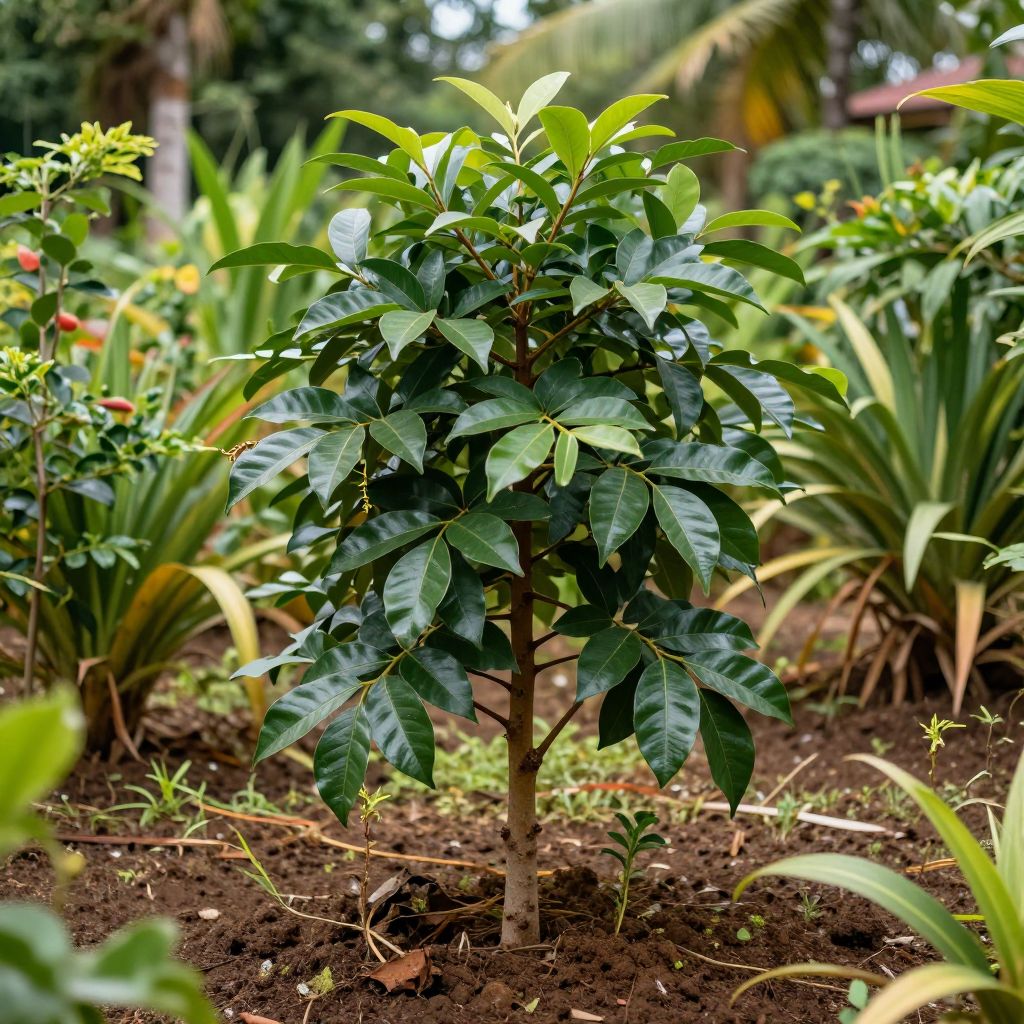
Wondering where do cinnamon trees grow and whether you can grow one yourself? Cinnamon comes from the inner bark of Cinnamomum species, especially Cinnamomum verum and Cinnamomum cassia, which are tropical evergreen trees. They need warm temperatures, steady moisture, and frost-free conditions to thrive.
In the right climate, cinnamon trees can be attractive landscape plants as well as productive spice trees. If you live outside the tropics, you can still grow one in a large container and move it indoors when temperatures drop.
Where do cinnamon trees grow?
Cinnamon trees grow naturally in warm, humid tropical regions, especially South and Southeast Asia. They do best outdoors in frost-free climates with consistent warmth, high humidity, and well-drained soil. In cooler regions, they are usually grown in greenhouses, conservatories, or large pots that can be protected from cold.
Best climate for cinnamon trees
Cinnamon is a true tropical tree, so climate matters more than almost anything else. If winter temperatures regularly fall near freezing, outdoor planting is usually not practical without protection.
Temperature and frost tolerance
- Best growth: warm temperatures through the year.
- Cold damage risk: chilling, leaf drop, and branch dieback can happen in cool weather.
- Frost: even light frost can seriously injure or kill young trees.
If you are gardening in a subtropical or warm temperate area, plant cinnamon only in the mildest microclimate you have, such as a sheltered courtyard or frost-free coastal site. Even then, young trees often need extra protection during cold snaps.
Humidity and rainfall
Cinnamon trees prefer humid air and regular moisture, but not soggy roots. They grow best where rainfall is fairly even through the year or where you can supply water consistently during dry periods.
Dry air can slow growth and encourage leaf stress, especially on container-grown plants. If your climate is dry, grouping plants together, mulching well, and using partial shade can help reduce stress.
What soil do cinnamon trees need?
Cinnamon trees grow best in fertile, loose, well-drained soil with plenty of organic matter. The roots dislike waterlogged conditions, so heavy clay or compacted ground should be improved before planting.
Ideal soil conditions
- Drainage: essential to prevent root problems.
- Organic matter: compost or leaf mold helps hold moisture without making soil heavy.
- pH: slightly acidic to neutral soil is usually suitable.
For garden planting, work in compost and loosen the soil deeply. If your site stays wet after rain, raise the planting area or choose a container instead. Cinnamon is far more forgiving of brief dryness than of constant wet feet.
Can you grow cinnamon trees outside your climate?
Yes, but usually only in containers or protected structures. Outside tropical and frost-free areas, cinnamon is best treated as a tender evergreen tree that spends part or all of the year indoors or in a greenhouse.
Container growing
Container growing is the most practical option for many home gardeners. Choose a pot with drainage holes and a free-draining mix rich in organic matter. A container also lets you move the plant to a warmer, brighter spot when weather changes.
- Use a pot that is large enough for root growth, but not oversized.
- Repot when roots begin circling or the mix breaks down.
- Keep the plant in bright light and away from cold drafts.
Indoor growing
Indoors, cinnamon trees need the brightest location you can provide, such as a sunny window or conservatory. They may grow more slowly inside, but they can remain healthy if light, warmth, and humidity are adequate.
Watch for dry indoor air in winter. A pebble tray, regular misting, or a humidifier can help, but good airflow is still important to reduce disease pressure.
How to plant a cinnamon tree
Plant cinnamon in spring or early summer in mild climates, or whenever warmth is reliable. Avoid planting during cold, wet weather, because young roots establish best when soil is warm and drainage is good.
- Choose a sheltered site with morning sun and light afternoon shade, especially in hot climates.
- Prepare soil with compost and ensure excess water can drain away.
- Dig a hole slightly wider than the root ball, but no deeper.
- Set the tree at the same depth it was growing in its pot.
- Backfill gently, water thoroughly, and mulch around the base without touching the trunk.
Do not bury the stem deeper than it was in the nursery pot. Deep planting can lead to rot and poor establishment.
Sunlight, watering, and feeding
Cinnamon trees like bright light, but young plants often appreciate some protection from harsh afternoon sun. In very hot climates, light shade can reduce leaf scorch and water loss.
Watering
Water consistently during active growth, especially for young trees and container plants. The goal is evenly moist soil, not saturation. Let the top layer begin to dry slightly before watering again, then water deeply.
- Newly planted trees need closer attention while roots establish.
- Containers dry out faster than garden beds.
- Reduce watering during cooler, slower-growth periods.
Feeding
A light application of compost or a balanced, slow-release fertilizer can support healthy growth, but avoid overfeeding. Too much nitrogen may produce weak, leafy growth at the expense of sturdy structure.
If the plant is in a container, nutrients wash out more quickly. Refresh the top layer of potting mix or repot periodically rather than relying on heavy feeding alone.
Pruning and shaping cinnamon trees
Pruning helps keep cinnamon trees manageable and encourages bushier growth, which is useful if you want a harvestable shrub-like plant rather than a tall tree. Light pruning is usually enough.
How to prune
- Remove dead, damaged, or crossing branches first.
- Trim to shape after the plant has settled and is actively growing.
- Cut just above a leaf node or side shoot to encourage branching.
For spice production, growers often encourage multiple stems rather than one tall trunk. That makes harvesting bark easier later on, though home gardeners should still prioritize plant health and steady growth.
Pests and diseases to watch for
Cinnamon trees are not especially difficult, but they can suffer if conditions are too dry, too wet, or too cramped. Most problems are related to stress and poor drainage.
Common issues
- Root rot: caused by waterlogged soil or poor drainage.
- Leaf drop: often triggered by cold, drought, or sudden environmental change.
- Scale or mealybugs: more likely on indoor or greenhouse plants.
- Leaf spotting: can appear when airflow is poor and foliage stays wet.
Check the undersides of leaves and stems regularly. If pests appear, isolate the plant early and remove heavily infested growth. Improving light, airflow, and watering habits often solves more problems than any quick treatment.
How cinnamon is propagated
Home gardeners usually propagate cinnamon from seed or cuttings, though success can vary. Fresh seed tends to be more reliable than old seed, because viability declines over time.
From seed
Sow fresh seed in warm, moist, free-draining mix. Keep it consistently warm and lightly moist, and be patient. Germination can be uneven, so avoid disturbing the container too soon.
From cuttings
Semi-hardwood cuttings may root under warm, humid conditions, but they can be slower and less predictable than seed. Use clean tools, a sterile medium, and gentle bottom warmth if available.
Harvesting cinnamon bark at home
Home harvest is possible only from a well-established plant. The spice comes from the inner bark, so harvesting should be done carefully and sparingly to avoid harming the tree.
In commercial growing, stems are cut and processed in a specific way, but for a backyard gardener the priority is usually maintaining a healthy plant. If you want to experiment with bark harvest, do so only on mature stems and never strip too much from one plant.
Common mistakes to avoid
- Planting in cold, exposed sites.
- Using heavy soil that stays wet.
- Overwatering container plants with poor drainage.
- Letting indoor plants sit in low light for long periods.
- Expecting fast growth in cool climates.
Most cinnamon-growing failures come from trying to treat it like a hardy landscape tree. It is much closer to a tender tropical plant that needs warmth, drainage, and protection.
Conclusion
If you are asking where do cinnamon trees grow, the short answer is: warm, humid, frost-free places with fertile, well-drained soil. If your climate is cooler, grow cinnamon in a container and protect it from cold weather. Start by matching the plant to your local conditions, and you will give it the best chance to thrive.
For more on growing tropical edibles in containers, you may also find it helpful to read about container gardening basics and how to improve garden drainage.