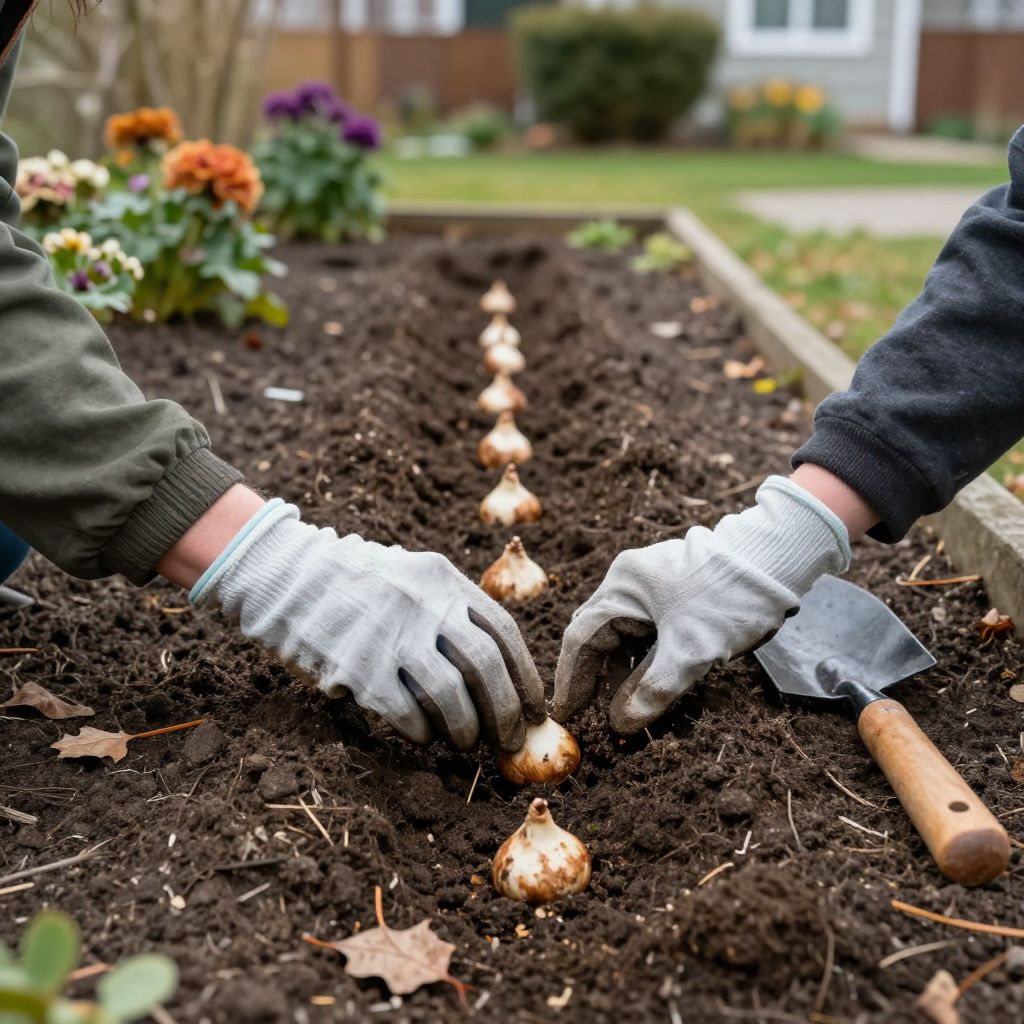
Wondering when to plant crocus bulbs so they bloom on time and come back well next year? The short answer is to plant crocus corms in fall, before the ground freezes, while the soil is still workable and cool. That gives them time to root before winter and set up for a strong early spring display.
The exact timing depends on your climate, but the goal is the same: get them in the ground early enough to establish roots, yet late enough that they do not start top growth too soon. With the right planting depth, drainage, and site, crocus are among the easiest bulbs to grow.
When to plant crocus bulbs?
Plant crocus corms in early to mid-fall, ideally about 6 to 8 weeks before the ground freezes in your area. In colder climates, that may mean September or October; in milder regions, it can be later. Plant when soil temperatures have cooled but the ground is still easy to dig.
Why fall planting works best
Crocus are spring-blooming bulbs, more accurately corms, and they need a cold period to flower properly. Fall planting lets them develop roots through autumn and winter, so they are ready to push up blooms as soon as conditions warm.
If you plant too early in warm soil, they may sprout prematurely. If you plant too late in frozen ground, they may not root well enough to survive or bloom strongly.
How to judge the right planting window
- Cool soil is better than warm soil.
- Ground should be workable, not frozen or waterlogged.
- Leaves on deciduous trees may be starting to drop in many regions, which is often a good seasonal clue.
- If you are unsure, aim for the same general window you would use for other spring bulbs, such as daffodils and tulips, but crocus can often go in a bit later.
How to plant crocus corms correctly
Good planting technique matters as much as timing. Crocus do best in a sunny to lightly shaded spot with well-drained soil, because soggy conditions can rot the corms.
- Choose a site with full sun to partial shade.
- Loosen the soil and remove weeds, rocks, and debris.
- Plant corms about 3 to 4 inches deep, or roughly 2 to 3 times their height.
- Space them about 2 to 3 inches apart for a natural look, or closer if you want a denser drift.
- Set each corm with the pointed end up, if you can identify it.
- Backfill with soil and water lightly to settle the soil around the corms.
If your soil is heavy clay, mix in compost to improve structure, but avoid creating a planting hole that acts like a water-filled basin. Crocus need moisture to root, not standing water.
Best growing conditions for healthy crocus
Sunlight
Crocus bloom best in a site that gets at least a few hours of direct sun, especially in late winter or early spring before trees leaf out. Many varieties also do well under deciduous trees and shrubs because they finish blooming before the canopy fully develops.
Soil and drainage
Drainage is the most important soil factor for crocus. They tolerate average garden soil, but they struggle in persistently wet ground. If your area stays soggy after rain, consider raised beds, slopes, or containers with drainage holes.
Watering
Water after planting to help settle the soil, then usually let seasonal rainfall do the rest. In dry autumns, give the bed an occasional deep watering if the soil is dry several inches down. Once crocus are dormant, avoid frequent watering unless the soil is extremely dry and the weather is unusually warm.
Planting crocus in different climates
The best planting time changes with local weather, not the calendar alone. Use your first hard freeze as the main reference point.
- Cold climates: Plant earlier in fall so roots can form before the ground freezes.
- Mild climates: Plant later in fall or early winter if the soil stays cool and workable.
- Warm-winter areas: Choose varieties suited to your region and provide a spot that still gets a winter chill; some crocus types perform better than others in mild climates.
If you garden in a very warm area, check local extension guidance or nearby gardeners’ planting schedules. The right timing is often narrower where winters are short and mild.
Common mistakes to avoid
Most crocus problems start with planting too early, too shallow, or in soil that stays wet. Avoiding these mistakes will improve your chances of blooms year after year.
- Planting in waterlogged soil, which can cause rot.
- Planting too shallow, which can expose corms to temperature swings and animals.
- Waiting until the ground is frozen, which makes rooting difficult.
- Overfertilizing, which is usually unnecessary and can encourage weak growth.
- Cutting foliage too soon after bloom, which reduces the plant’s ability to recharge the corm.
What to do after crocus bloom
After flowering, let the foliage stay in place until it yellows and dies back naturally. The leaves are feeding the corm for next year’s bloom, so resist the urge to tidy them too early.
You can deadhead spent flowers if you want the bed to look neater, but keep the leaves intact. If crocus are planted in a lawn, delay mowing until the foliage has faded.
Feeding and maintenance
Crocus usually do not need much fertilizer if planted in decent garden soil. If your soil is poor, a light top-dressing of compost in fall or after bloom can help, but avoid burying the foliage. Over time, overcrowded clumps may bloom less, and lifting and dividing can help restore vigor.
Pests, diseases, and other problems
Crocus are generally reliable, but they can be bothered by a few common issues.
- Squirrels, mice, and voles may dig up corms.
- Rot can occur in poorly drained soil.
- Weak flowering may happen if the site is too shady, too wet, or if foliage was removed too early.
- Few blooms can also mean the planting was too recent or the corms were planted too late in the season.
If animals are a problem, try planting in wire mesh baskets or using a more protected bed. In wet sites, improving drainage is more effective than trying to “treat” rot after it starts.
Can you plant crocus in containers?
Yes, crocus grow well in pots if the container drains freely and the corms are planted in fall. Use a quality potting mix, not heavy garden soil, and make sure the pot is deep enough for 3 to 4 inches of planting depth plus room for roots.
Containers dry out faster than garden beds, so check moisture periodically in fall. In winter, protect pots from extreme freeze-thaw swings by moving them to a sheltered spot if needed, while still keeping them cold enough to satisfy dormancy.
How to naturalize crocus in lawns and borders
Crocus are excellent for naturalizing because they bloom early and often multiply over time. For a natural look, scatter corms loosely and plant them where they land, rather than in rigid rows.
They work well in front borders, under deciduous shrubs, along paths, and in lawn areas that are not mown until late spring. Just be sure the site drains well and gets enough light before nearby plants leaf out.
Quick planting checklist
- Plant in fall, before the ground freezes.
- Choose a sunny or lightly shaded site.
- Use well-drained soil.
- Plant 3 to 4 inches deep.
- Space corms 2 to 3 inches apart.
- Water once after planting, then let rainfall do most of the work.
- Leave foliage in place after bloom until it naturally dies back.
Conclusion
If you want dependable spring color, the best time for when to plant crocus bulbs is fall, while the soil is cool and workable and before hard freeze sets in. Plant them in a sunny, well-drained spot, and you will give them the root start they need for early blooms.
For more spring bulb guidance, you may also want to read about how to plant spring-flowering bulbs and caring for bulbs after flowering.