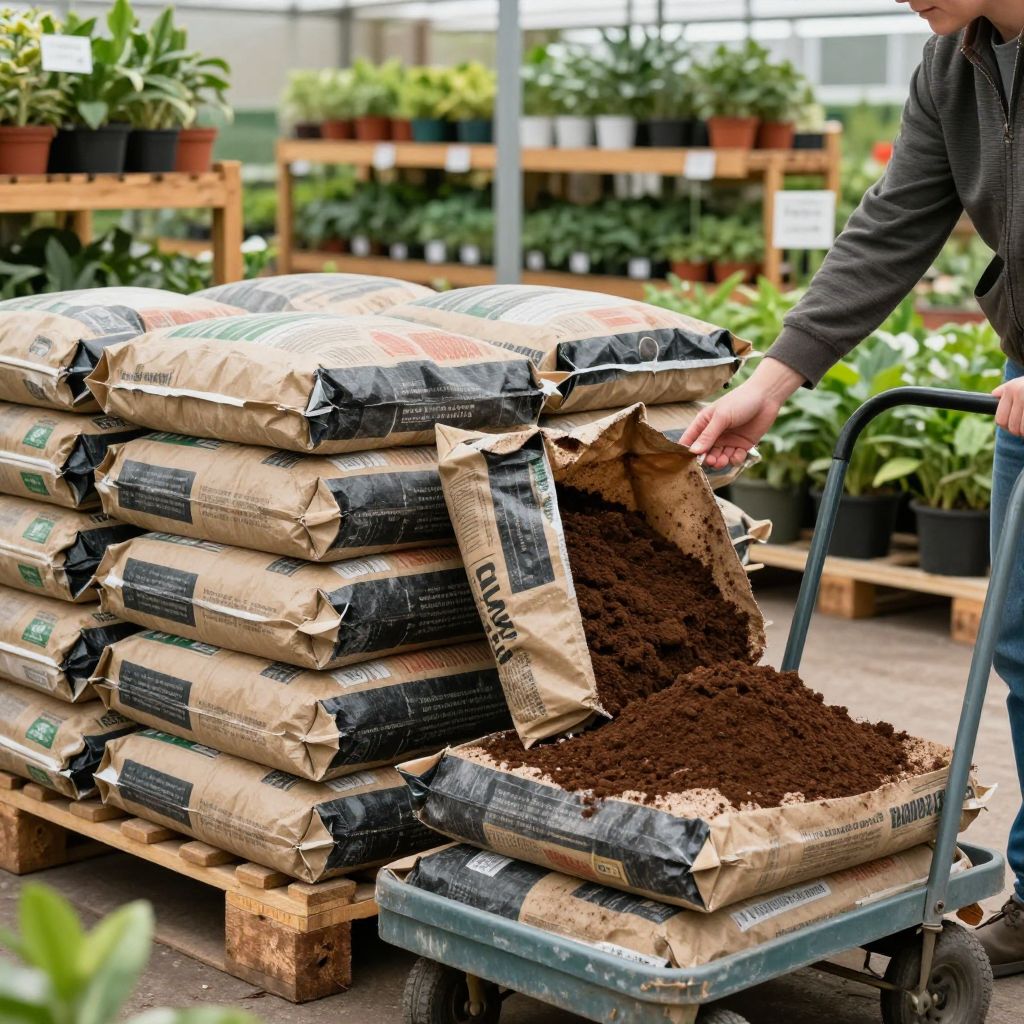
Where to buy compost depends on how much you need, what you’re growing, and how quickly you need it. For a few containers or raised beds, bagged compost from a garden center may be easiest. For larger beds, bulk compost from a landscape supplier, municipal site, or local farm is often cheaper and more practical.
The best choice is the compost that is mature, clean, and suited to your soil. A good compost should smell earthy, not sour, and should be dark, crumbly, and free of trash, weed seeds, and obvious undecomposed material.
Where to buy compost?
You can buy compost at garden centers, home improvement stores, landscape supply yards, nurseries, municipal composting facilities, and sometimes local farms or soil yards. Bagged compost is convenient for small jobs, while bulk compost is usually better value for larger gardens, but always check quality before you buy.
Best places to buy compost
Garden centers and nurseries
Garden centers are the easiest place to start if you want a small amount and clear labeling. Staff can often help you choose between compost, topsoil, and potting mix, which matters because these products are not interchangeable.
Look for compost labeled for general garden use, raised beds, or soil amendment. If you are filling containers, make sure you are not buying straight garden soil by mistake, since containers need a lighter, better-draining mix.
Home improvement stores
Big-box stores usually stock bagged compost in spring and early summer, and sometimes year-round. This is convenient if you need a few bags quickly, but quality can vary by brand and shipment.
Check the bag for a clear ingredient list and whether it is fully composted. If the material looks woody, smells bad, or feels wet and heavy like sludge, choose another product.
Landscape supply yards
Landscape suppliers are often the best option for bulk compost. You can buy by the cubic yard, which is useful for vegetable beds, new borders, and lawn improvement projects.
Bulk compost is usually less expensive per volume than bagged product, but you should ask what the compost is made from and whether it has been screened. Screened compost is easier to spread and less likely to contain large sticks or clumps.
Municipal composting facilities
Many cities and counties sell or give away compost made from yard waste and green waste collected locally. This can be a budget-friendly and environmentally sensible option if the material is well processed.
Before you buy, ask how the compost was made, whether it has been tested, and whether it is mature. Municipal compost can be excellent, but quality and consistency vary by location.
Local farms and soil producers
Some farms, composting businesses, and soil producers sell compost directly. This can be a good choice if you want to support local suppliers and buy in larger quantities.
Ask whether the compost is made from plant material, manure, or a blend. Manure-based compost can be very useful, but it should be properly composted and fully finished before you apply it to edible gardens.
How to tell if compost is good quality
Not all compost is equally useful. The best compost is finished, stable, and clean enough to spread around roots without causing problems.
- Smell: Earthy and pleasant is good; sour, rotten, or ammonia-like odors are a warning sign.
- Texture: Crumbly and dark is ideal; large chunks should be minimal for most garden uses.
- Moisture: Slightly damp is fine, but it should not be soggy or waterlogged.
- Debris: Avoid compost with plastic, glass, metal, or lots of visible weeds.
- Maturity: Finished compost should not heat up again in a pile and should look well decomposed.
If you are buying compost for vegetables or herbs, ask whether it has been tested for contaminants and salts. That is especially important if the compost source is unknown or if you plan to use it heavily in raised beds.
Bagged compost vs bulk compost
When bagged compost makes sense
Bagged compost is best when you need convenience, a small amount, or easy transport. It is also useful if you want to compare brands or test a product before buying more.
Choose bagged compost if you are:
- Top-dressing a few containers
- Amending a small vegetable bed
- Trying a new supplier
- Buying in a location without bulk delivery
When bulk compost makes sense
Bulk compost is usually the better choice for larger gardens, new beds, and landscape projects. It saves money and reduces plastic packaging, but you need a place to unload and store it.
Choose bulk compost if you are:
- Building raised beds
- Improving several garden beds at once
- Mulching or top-dressing a large area
- Ordering enough volume to justify delivery
How much compost do you need?
The amount depends on whether you are mixing it into soil or using it as a top-dressing. For most beds, a 1- to 3-inch layer worked into the topsoil is a common starting point, but the exact amount depends on your soil condition and the crop you are growing.
As a rough guide, 1 cubic yard covers about 100 square feet at 3 inches deep. If you are unsure, buy a little extra rather than too little, especially if you are filling low spots or improving poor soil.
How to use compost in the garden
For vegetable beds
Spread compost over the bed and mix it into the top few inches of soil, or use it as a surface dressing around established plants. Compost improves structure, helps soil hold moisture, and supports beneficial soil life.
For new beds, avoid overloading the soil with compost alone. A balanced garden bed usually needs both mineral soil and organic matter, especially if you are building a productive long-term vegetable patch.
For flower beds and shrubs
Use compost as a soil amendment or mulch-like top-dressing around established ornamentals. Keep it a few inches away from stems and trunks to reduce rot and pest issues.
If your soil is heavy clay, compost can help loosen it over time. If your soil is sandy, compost helps it hold water and nutrients longer.
For containers and raised beds
Containers need a potting mix, not straight compost. Compost can be blended into a container mix in moderation, but too much can make the mix dense and reduce drainage.
Raised beds can take more compost than containers, but they still need a balanced mix. If you are filling a new raised bed, combine compost with topsoil and other suitable materials rather than using compost alone unless the product is specifically designed for that purpose.
Common mistakes to avoid
- Buying “soil” when you need compost: Soil, topsoil, and compost serve different purposes.
- Using unfinished compost: It can tie up nitrogen and stress plants.
- Ignoring drainage: Too much compost in containers can hold too much water or create a poor texture.
- Assuming all compost is weed-free: Poorly processed compost can introduce weeds.
- Skipping supplier questions: Ask what the compost contains and whether it is screened or tested.
Seasonal tips for buying compost
Spring is the busiest season, so prices may be higher and popular products can sell out. If you can, buy early or in the off-season and store it under cover.
In wet weather, bulk compost can arrive soggy and heavier than expected, which affects both handling and volume. In dry weather, it may be dusty and harder to spread, so plan to moisten it slightly if needed.
Questions to ask before you buy
- What is the compost made from?
- Is it fully finished and screened?
- Has it been tested for contaminants or salts?
- Is it suitable for vegetables, ornamentals, or containers?
- Can it be delivered, and what is the minimum order?
How to store compost at home
If you do not use it right away, keep compost covered but not sealed airtight. A tarp or lid helps prevent excess rain from washing nutrients away and keeps the pile from drying out too much.
Store it off bare soil if possible, especially if you want to keep weeds from moving in. Use it within a reasonable time so it stays fresh, crumbly, and easy to spread.
Conclusion
If you are wondering where to buy compost, start with the size of your project and the quality of the product. For small jobs, bagged compost from a garden center or nursery is convenient; for bigger beds, bulk compost from a landscape supplier or municipal site is often the smartest buy. Choose finished, earthy-smelling compost, and use it in a way that fits your soil and plants.
For more practical soil-building advice, you may also want to read about how to improve garden soil and how to make a raised bed soil mix.