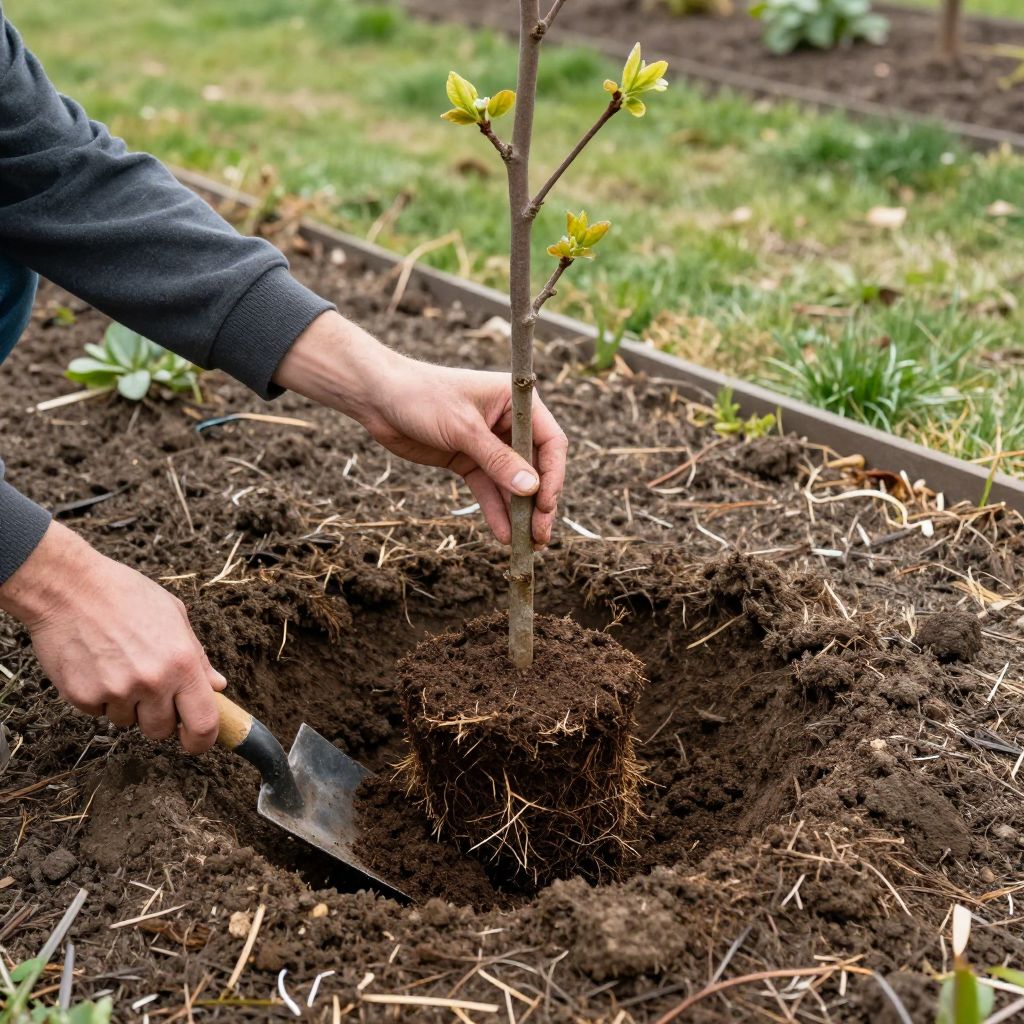
Wondering when to plant trees so they settle in quickly and grow strong? The best time depends on your climate, the tree type, and whether you’re planting a bare-root, container-grown, or balled-and-burlapped tree.
In general, the safest planting window is during cool, mild weather when the tree can focus on root growth instead of heat stress. For many gardeners, that means early spring or fall, but local conditions matter more than the calendar.
When To Plant Trees?
The best time to plant trees is usually during dormant or cooler periods: early spring after the ground can be worked, or fall while soil is still warm but air temperatures are cooler. In mild climates, fall is often ideal because roots keep growing before summer heat arrives. Avoid planting during frozen ground, extreme heat, or drought.
Why timing matters so much
Tree roots need time to establish before the top growth is pushed by hot weather, wind, or heavy leaf growth. If you plant at the wrong time, the tree may struggle to replace lost moisture and can become stressed, stunted, or more vulnerable to pests and disease.
What trees need after planting
- Consistent moisture without waterlogging
- Loose, well-drained soil for root expansion
- Time to recover from transplant shock
- Protection from heat, wind, and competition from grass
Best planting time by season
Fall planting
Fall is often the best time to plant trees in many regions because the soil is still warm enough for root growth, while cooler air reduces stress on the canopy. This gives the tree a head start before spring growth begins.
Plant in fall only if you have enough time before hard freezes for roots to begin settling in. In colder climates, early fall is safer than late fall.
Spring planting
Spring is a good choice where winters are severe or the ground freezes deeply. Plant as soon as the soil is workable and before hot weather arrives, so the tree can establish roots before summer stress.
Spring planting is especially useful for trees that are sensitive to cold or for gardeners who missed the fall window.
Summer planting
Summer is the hardest time to plant trees because heat increases water loss and transplant shock. If you must plant in summer, choose a cooler stretch of weather, water carefully, and provide temporary shade if needed.
Container-grown trees can be planted in summer more successfully than bare-root trees, but they still need extra attention.
Winter planting
In areas with mild winters and unfrozen soil, winter planting can work for some trees, especially container-grown stock. In cold regions, winter planting is usually not practical because frozen soil prevents root establishment.
How tree type affects planting time
Bare-root trees
Bare-root trees are usually planted while dormant, typically in late winter to early spring or during cool fall weather, depending on your climate. They must be planted quickly after purchase because roots dry out fast.
Container-grown trees
Container-grown trees offer the most flexibility because the root ball stays intact. You can plant them through a wider part of the year, but cooler seasons are still better because the tree experiences less stress.
Balled-and-burlapped trees
Balled-and-burlapped trees are heavier and more expensive to move, and they do best when planted in cool weather. Handle them carefully, and remove any non-biodegradable wrapping materials after placing the tree in the hole.
How to choose the right planting day
Even within the right season, pick a day that helps the tree recover. Mild, cloudy weather with moist soil is ideal. Avoid planting right before a heat wave, hard freeze, or strong wind event.
- Soil should be moist, not soggy
- Temperatures should be moderate
- The ground should not be frozen
- Rain is helpful, but avoid planting in muddy soil
How to plant a tree the right way
Step-by-step planting basics
- Choose a site with enough space for the mature canopy and roots.
- Dig a hole 2 to 3 times as wide as the root ball, but no deeper than the root flare.
- Set the tree so the root flare sits at or slightly above soil level.
- Backfill with the native soil you removed unless your soil is extremely poor.
- Water thoroughly to settle the soil and remove air pockets.
- Mulch in a wide ring, keeping mulch a few inches away from the trunk.
Do not plant too deeply. One of the most common tree failures comes from burying the root flare, which can lead to rot and poor growth.
Mulching correctly
Apply 2 to 4 inches of organic mulch over the root zone, but keep it off the trunk. A mulch volcano traps moisture against the bark and invites problems.
Soil, drainage, and site conditions
Most trees do best in soil that drains well but still holds some moisture. If water pools in the planting area after rain, the site may be too wet for many tree species.
If your soil is heavy clay, plant on a slight mound or choose species that tolerate wetter conditions. If your soil is sandy, add organic matter to improve moisture retention, but don’t create a rich “pot” in the hole that discourages roots from spreading outward.
Sunlight and exposure
Match the tree to the site. Full-sun trees need at least 6 hours of direct sun, while shade-tolerant trees can handle lower light. Windy sites may need temporary staking or shelter until roots anchor the tree.
Watering after planting
Newly planted trees need regular, deep watering while they establish. The goal is to keep the root zone evenly moist, not constantly wet.
- Water immediately after planting
- Check soil moisture a few inches down before watering again
- Water slowly so moisture reaches the root zone
- Adjust frequency based on rainfall, soil type, and temperature
In hot or windy weather, trees may need more frequent watering than in cool, damp conditions. Young trees in sandy soil dry out faster than those in loam or clay.
Common mistakes to avoid
- Planting at the wrong season for your climate
- Digging the hole too deep
- Leaving burlap, wire, or twine in place when it should be removed
- Forgetting to water during the first growing season
- Using too much fertilizer at planting time
- Letting grass grow right up to the trunk
Skip heavy fertilizing at planting. Freshly planted roots are sensitive, and excess fertilizer can burn them or push weak top growth before the tree is established.
How long trees take to establish
Most trees need at least one full growing season to start settling in, and larger trees can take longer. A tree may look stable above ground before its roots are fully established, so keep watering and monitoring it through the first year or two.
Signs of good establishment include steady new growth, firm anchoring in the soil, and leaves that hold color without wilting during normal weather.
When to prune after planting
Light pruning may be needed to remove broken, dead, or crossing branches, but avoid heavy shaping right after planting. The tree needs its leaves and shoots to produce energy for root growth.
If you must stake the tree, use soft ties and remove stakes as soon as the tree can stand on its own, usually within one growing season.
Problems to watch for in the first year
Transplant shock
Wilting, leaf drop, and slow growth can happen after planting. Reduce stress by watering correctly, mulching, and protecting the tree from harsh sun and wind.
Root rot
Yellowing leaves, poor vigor, and soggy soil may indicate drainage problems. Improve drainage or choose a better site rather than simply watering less.
Pests and disease
Stressed trees are more likely to attract insects or develop disease. Healthy spacing, correct planting depth, and proper watering are your best defenses.
Quick guide: best time by climate
- Cold climates: early spring is often safest
- Mild climates: fall is often best
- Hot, dry climates: plant in the coolest season available and water carefully
- Wet sites: choose species that tolerate moisture and plant when soil is workable, not saturated
Conclusion
If you’re deciding when to plant trees, aim for cool, workable weather that gives roots time to establish before stress arrives. For most gardeners, that means fall or early spring, with timing adjusted to local climate and tree type. Choose the right site, plant at the proper depth, mulch well, and water consistently through the first season.
For more help identifying the right tree for your yard, you may also find this guide useful: what type of tree is this?