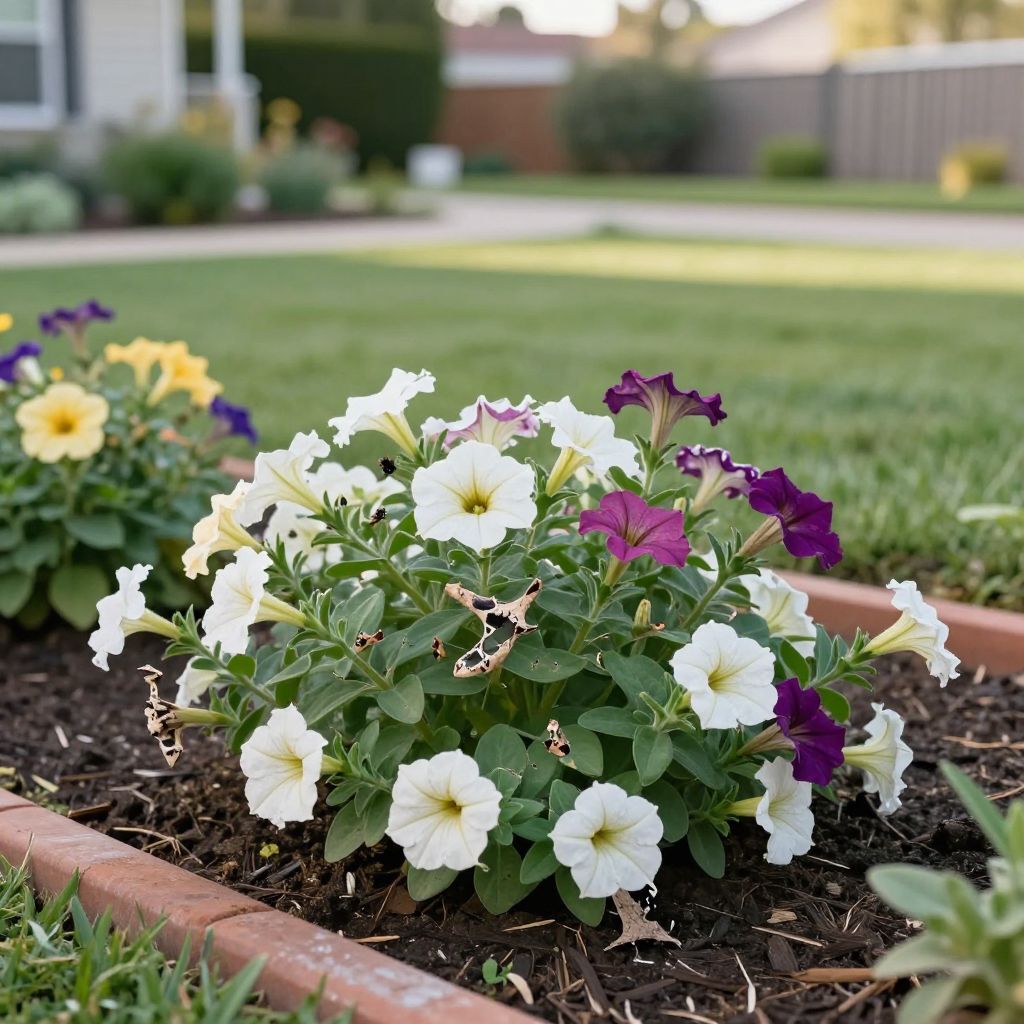
Are petunias deer resistant? If deer regularly browse your garden, petunias can be a frustrating gamble. They are not usually the first plant deer choose, but hungry deer may still nibble them, especially when other food is scarce.
The good news is that petunias are often treated as moderately deer resistant rather than deer proof. With the right placement and a few protective habits, you can improve your chances of enjoying blooms without constant damage.
Are petunias deer resistant?
Petunias are generally considered moderately deer resistant, meaning deer tend to avoid them more than highly palatable plants, but they will still eat them if pressure is high. Their slightly sticky foliage, strong scent, and soft texture may discourage browsing, yet no petunia is guaranteed safe from hungry deer.
Why deer may still eat petunias
Deer feeding is driven by availability, season, and local pressure. A plant that is ignored in one yard may be heavily browsed in another if deer are hungry or if preferred plants are limited.
What makes petunias less appealing
- Fragrant foliage and flowers can be less attractive than milder plants.
- The stems and leaves have a slightly sticky texture that some deer dislike.
- Petunias are not a deer’s top choice compared with hostas, roses, tulips, or tender vegetables.
Why they still get damaged
- Young transplants are tender and easy for deer to sample.
- Dry weather can push deer into ornamental beds for moisture-rich plants.
- In suburban areas with heavy deer traffic, even “resistant” plants may be browsed.
Bottom line: petunias can reduce deer damage risk, but they are not a reliable defense on their own.
How to grow petunias so they stay healthy and recover faster
Healthy petunias bounce back better from light browsing, heat stress, and weather damage. Give them the growing conditions they prefer, and they are more likely to flower heavily and replace lost growth quickly.
Sunlight
Petunias bloom best in full sun, which usually means at least 6 hours of direct light daily. In very hot climates, a little afternoon shade can help prevent wilting and flower fade.
Soil and drainage
Petunias prefer loose, well-drained soil. Heavy clay that stays wet can lead to root problems, while very sandy soil may dry out too quickly.
- Work in compost to improve soil structure.
- Make sure containers have drainage holes.
- Avoid planting in low spots where water collects after rain.
Watering
Water petunias deeply when the top inch of soil feels dry, then let excess water drain away. Container plants usually need more frequent attention than in-ground plants, especially in hot or windy weather.
- Water at the base to keep foliage drier.
- Morning watering is often best because leaves dry faster.
- Do not let pots sit in saucers of standing water.
Feeding
Petunias are heavy bloomers and benefit from regular nutrients, but too much nitrogen can produce lush leaves with fewer flowers. Use a balanced approach and follow the label directions for your product.
Best ways to protect petunias from deer
If deer are active in your area, use petunias as part of a broader deer-management plan. No single tactic works perfectly, but layering several methods can make a big difference.
1. Place petunias closer to the house
Deer often avoid areas with more human activity. Beds near doors, patios, or walkways may be browsed less than exposed perimeter plantings.
2. Mix petunias with less appealing plants
Planting petunias among strongly scented or deer-resistant companions may help reduce attention. This does not guarantee protection, but it can make the bed less tempting overall.
3. Use physical barriers when pressure is high
In areas with frequent deer browsing, fencing is the most dependable solution. Even temporary netting or low barriers can help protect young plants while they establish.
- Use fencing tall enough to discourage jumping where deer pressure is severe.
- Protect containers on decks or porches if deer reach them.
- Cover newly planted beds during the most vulnerable period.
4. Try repellents carefully
Repellents can help, especially when applied before deer begin feeding. They usually work best as part of a routine, not as a one-time fix.
- Reapply after heavy rain or according to label directions.
- Rotate products if deer become accustomed to one scent or taste.
- Test on a small area first if you are concerned about plant sensitivity.
5. Remove other attractants
Deer are more likely to sample ornamentals when nearby plants are overgrown, overfertilized, or stressed. Keep beds tidy and avoid creating a buffet of tender new growth right next to petunias.
How to tell whether deer, pests, or disease caused the damage
Not every chewed petunia was eaten by deer. Correctly identifying the problem helps you choose the right fix and avoid wasting time on the wrong solution.
Signs deer were involved
- Leaves and stems are torn or cleanly clipped at an angle.
- Damage appears overnight or in a single feeding event.
- Whole shoots or flower clusters are missing, not just small holes.
- Tracks or droppings may be present nearby.
Signs of insects or disease
- Small holes in leaves may point to chewing insects.
- Yellowing, collapse, or blackened stems may suggest rot or fungus.
- Sticky residue, webbing, or distorted growth can indicate pests.
If the damage is repeated and severe, consider deer first. If the plant is declining gradually, inspect for pests, watering issues, or root disease instead.
Common petunia problems that can make deer damage worse
Stressed petunias are less resilient and may look even more appealing to browsing animals. Good care helps them recover faster and keeps the bed looking full.
Leggy growth
Petunias can stretch and become sparse if they do not get enough sun or if they are not trimmed back. Pinching or lightly pruning long stems encourages bushier growth and more flowers.
Heat stress
During hot spells, petunias may wilt by afternoon even when the soil is moist. Mulch can help conserve moisture, but keep it a few inches away from stems to reduce rot risk.
Root and crown rot
Overwatering and poor drainage can cause roots to decline. If plants are yellowing, collapsing, or staying wet for too long, improve drainage before adding more water.
Practical planting and maintenance tips
Petunias are easy to grow when you start with healthy transplants and keep up with light maintenance. A little routine care goes a long way.
- Choose a sunny site with well-drained soil or a container with drainage holes.
- Mix compost into the planting area if the soil is poor or compacted.
- Space plants so air can move between them and reduce disease pressure.
- Water after planting, then monitor moisture as roots establish.
- Deadhead faded blooms if your variety benefits from it, or trim back leggy growth to refresh the plant.
- Watch for deer activity early so you can add protection before severe browsing starts.
Container growing tip
Containers are a smart option if deer roam through your yard. You can place pots on a porch, deck, or raised surface where browsing is less likely, while still giving petunias the sun they need.
When petunias are a smart choice in deer country
Petunias are a good option when you want long bloom color and you are willing to accept some risk. They work especially well in mixed borders, window boxes, hanging baskets, and front-yard beds where you can monitor them closely.
If deer pressure is light to moderate, petunias may perform beautifully with little trouble. If deer are heavy in your neighborhood, use them as part of a protected planting plan rather than as a stand-alone solution.
Conclusion
Are petunias deer resistant? Yes, somewhat—but not enough to rely on without protection in deer-prone areas. Plant them in full sun, keep the soil well drained, and use fencing, repellents, or strategic placement if deer browse your garden. If you want to compare other common ornamentals, you may also find it helpful to read about whether begonias are deer resistant and whether hydrangeas are deer resistant.