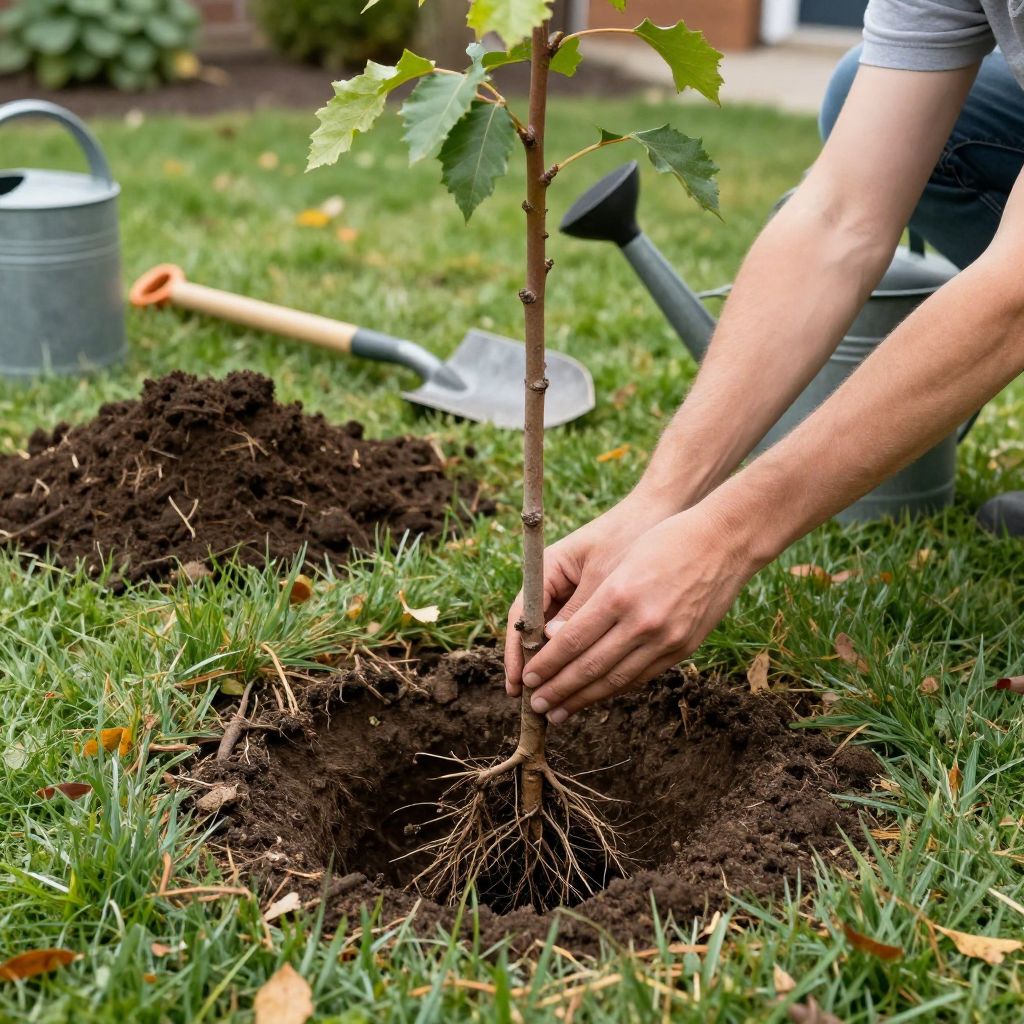
When is the best time to plant trees? In most climates, the safest window is during cool, moist weather in fall or early spring, when roots can settle in without heat stress. The exact best time depends on your local weather, soil drainage, and whether the tree is bare-root, balled-and-burlapped, or container-grown.
The goal is simple: give the tree time to establish roots before summer heat or winter extremes arrive. If you plant at the right time and prepare the site well, your tree has a much better chance of growing strong and steady.
When is the best time to plant trees?
The best time to plant trees is usually during the dormant season: late fall after leaf drop or early spring before new growth starts. These periods reduce transplant stress, because cooler temperatures and natural rainfall help roots establish before the tree has to support heavy top growth.
Why timing matters so much
Tree roots need time to spread into the surrounding soil before the canopy demands more water than the roots can supply. Planting during extreme heat, frozen ground, or prolonged drought makes establishment harder and can slow growth for months.
Timing also affects how much aftercare you will need. A tree planted at the right season often needs less supplemental watering than one planted in midsummer, even if both are the same size.
Fall planting: often the best choice
In many regions, fall is the ideal planting season for deciduous trees. Soil is still warm enough for root growth, air temperatures are cooler, and rainfall is often more reliable.
- Best for: many deciduous shade trees, flowering trees, and shrubs with established root systems
- Advantages: less heat stress, good root establishment, easier watering
- Watch for: planting too late in the season, when the ground may freeze before roots settle
Spring planting: a strong second option
Early spring is also a good time, especially in colder climates where winter freeze damage is a concern. Plant as soon as the soil is workable and before the tree breaks dormancy or starts active growth.
- Best for: cold-climate gardeners and trees that need a full warm season to establish
- Advantages: roots can grow before summer, easy to monitor moisture
- Watch for: late frosts, drying winds, and a fast transition into hot weather
Summer planting: possible, but more demanding
Summer is not the first choice for most trees, but container-grown trees can be planted if you are ready to water carefully. Avoid planting during heat waves or drought if you can wait.
If you must plant in summer, choose a mild day, water deeply, and mulch well. New trees planted in hot weather need close attention for the first several weeks.
Winter planting: only in mild or frost-free conditions
In very mild climates, winter planting can work if the ground is not frozen and the soil drains well. In colder regions, frozen soil and repeated freeze-thaw cycles make planting risky and difficult.
Bare-root trees are usually planted while dormant, but that does not mean frozen ground is suitable. The soil must be workable and not waterlogged.
How tree type changes the planting window
Not all trees are planted the same way. The root form matters as much as the season, because it affects how quickly the tree can adapt.
Bare-root trees
Bare-root trees are usually planted in late winter or early spring while dormant. They should be planted quickly after purchase, before the roots dry out.
Balled-and-burlapped trees
These are commonly planted in fall or spring. They are heavier and more stressful to move, so timing them for cool weather helps reduce shock.
Container-grown trees
Container trees offer the most flexibility, because they can be planted when the soil is workable. Even so, fall and early spring are still better than hot midsummer planting in most areas.
How to choose the right time for your climate
The best time to plant trees depends on your local conditions more than the calendar. A mild coastal climate, a cold inland climate, and a dry hot region all need different timing.
- Cold climates: plant in spring or early fall, giving roots time before hard freezes
- Mild climates: fall is often excellent, and winter planting may be possible if soil stays workable
- Hot, dry climates: fall planting is often best because cooler weather reduces water stress
- Wet climates: avoid planting when soil is saturated; wait for better drainage and stable weather
If you are unsure, check your local frost dates, rainfall pattern, and soil temperature. A tree planted into cold, soggy soil will struggle even if the calendar says “right season.”
What to do before planting
Good timing helps, but site preparation matters just as much. A tree planted in poor soil or with bad drainage may fail no matter when you put it in the ground.
- Pick a site with the right sunlight for the species.
- Check that the soil drains well after rain.
- Dig a planting hole wider than the root ball, but not deeper.
- Loosen circling roots on container-grown trees.
- Water the tree before planting if the root ball is dry.
Do not plant too deep. The root flare should sit at or slightly above the surrounding soil line. Burying the trunk flare is one of the most common reasons newly planted trees decline.
Soil and drainage basics
Most trees prefer moist, well-drained soil. Heavy clay can work if it drains reasonably well, but standing water around the roots is a serious problem.
If your site stays wet for hours after rain, consider raised planting, a different species, or a better-drained location. Compost can improve structure in some soils, but it should not be used to create a rich pocket in a hole surrounded by poor native soil.
How to plant a tree at the right time
Once you have chosen the season, plant carefully so the tree can settle in quickly.
- Remove the tree from its container or wrapping.
- Inspect the roots and trim only damaged or badly circling roots.
- Set the tree so the root flare is visible.
- Backfill with the original soil, breaking up large clods.
- Water thoroughly to settle soil around the roots.
- Mulch the root zone with 2 to 4 inches of organic mulch, keeping it away from the trunk.
Mulch helps conserve moisture and moderates soil temperature, but keep it a few inches away from the bark. A mulch pile against the trunk can invite rot and pests.
Watering after planting: what matters most
Newly planted trees need consistent moisture, especially during the first growing season. The exact amount depends on rainfall, soil type, tree size, and season.
Instead of following a fixed schedule, check the soil. Water when the top few inches begin to dry, and water deeply enough to moisten the root zone rather than just the surface.
- Water more often in sandy soil than in clay soil.
- Water more frequently during wind, heat, and dry spells.
- Reduce watering if the soil stays wet for long periods.
Overwatering can be as harmful as underwatering. Yellowing leaves, soft soil, and a sour smell around the root zone can signal poor drainage or too much water.
Pruning, staking, and early care
New trees usually need very little pruning at planting time. Remove only broken, dead, or rubbing branches unless you are correcting a clear structural issue.
Staking is not always necessary. Use it only if the tree is unstable in wind or the root ball cannot stand on its own. If you do stake, use flexible ties and remove them after the tree has anchored itself, usually within one growing season.
Common mistakes to avoid
- Planting during extreme heat or frozen ground
- Digging the hole too deep
- Leaving burlap, wire, or twine in place when they should be removed
- Letting roots dry out before planting
- Mulching against the trunk
- Ignoring drainage problems
How to tell if your tree is establishing well
Healthy establishment is gradual. You may not see dramatic top growth right away, but the tree should hold leaves or needles reasonably well, produce new growth in season, and stay upright without wobbling excessively.
Warning signs include leaf scorch, wilting despite watering, dieback at the tips, and poor bud break. These symptoms can point to planting depth issues, root damage, drought stress, or disease.
When to avoid planting trees
Sometimes the best answer to “when is the best time to plant trees” is “not yet.” Wait if the soil is frozen, waterlogged, or so dry that it will not accept water properly.
Also delay planting if a heat wave, drought, or severe storm is forecast. A newly planted tree has limited root access and can be damaged quickly by harsh weather.
Final advice for better success
If you want the best chance of success, plant trees in fall or early spring, match the timing to your climate, and prepare the site before you buy the tree. Good timing, correct planting depth, and steady moisture matter more than any quick fix later on.
For more practical guidance, you may also find these related reads useful: when is the best time to plant a tree and when to plant trees.