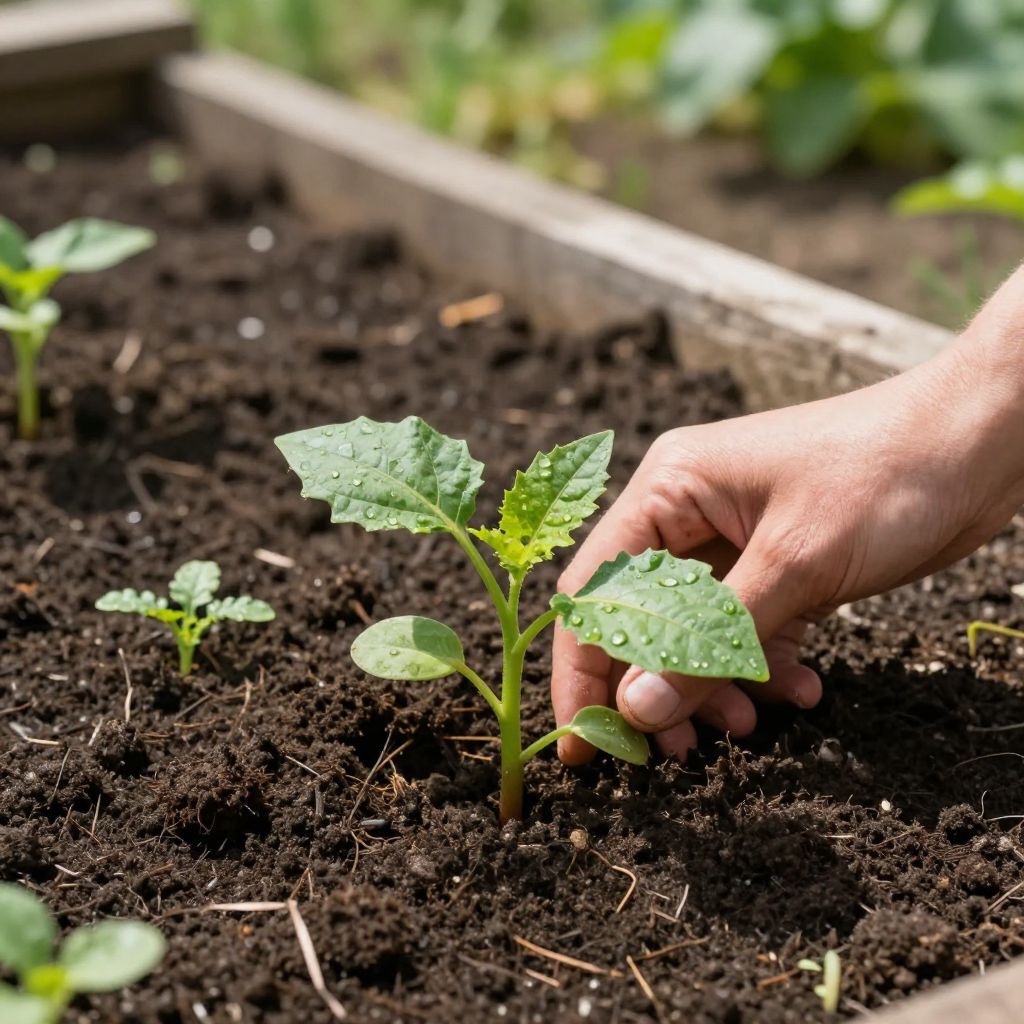
What does a plant need to survive and grow? At the simplest level, every plant needs light, water, air, nutrients, and the right growing environment. If one of those basics is missing or out of balance, growth slows, leaves decline, and the plant becomes more vulnerable to pests and disease.
The good news is that most plant problems can be traced back to a few fixable conditions. Once you understand how roots, leaves, soil, and climate work together, you can give indoor or outdoor plants what they need to thrive instead of just survive.
What does a plant need to survive and grow?
A plant needs adequate light, water, air, nutrients, and suitable temperature and soil conditions to survive and grow. Roots must have access to moisture and oxygen, leaves need light for photosynthesis, and the plant needs enough space and support to develop normally. When these needs are balanced, plants grow more steadily and resist stress better.
The five essentials every plant depends on
1. Light
Light is the energy source that powers photosynthesis, the process plants use to make food. Without enough light, plants become weak, pale, and stretched out.
- Full sun plants usually need at least 6 hours of direct sunlight.
- Partial shade plants do best with a mix of sun and shade.
- Low-light indoor plants still need bright, indirect light, not darkness.
If a plant leans toward a window, has long gaps between leaves, or produces small new growth, it may need more light. Outdoors, the right exposure depends on your local climate, season, and surrounding shade from buildings or trees.
2. Water
Water moves nutrients through the plant and keeps cells firm. Too little water causes wilting and dry, crispy leaves, while too much water can suffocate roots and encourage rot.
Instead of watering on a fixed schedule, check the soil first. Push a finger into the soil about 1 to 2 inches deep for small pots, or 2 to 4 inches for garden beds. If it feels dry at that depth, water thoroughly.
Deep, less frequent watering is usually better than shallow daily sprinkling because it encourages stronger roots.
3. Air and oxygen
Plants need carbon dioxide above ground for photosynthesis and oxygen around the roots for healthy respiration. This is why compacted soil and poor drainage are such common problems.
If soil stays soggy for long periods, roots cannot get enough oxygen. That leads to yellowing leaves, stunted growth, and root rot. Good drainage and loose soil structure are just as important as watering.
4. Nutrients
Plants need essential nutrients such as nitrogen, phosphorus, and potassium, along with smaller amounts of micronutrients. These come from soil, compost, fertilizer, or potting mix.
- Nitrogen supports leafy growth.
- Phosphorus supports roots, flowers, and fruiting.
- Potassium helps overall plant health and stress tolerance.
Healthy soil usually supplies some nutrients, but container plants often need extra feeding because watering leaches nutrients out faster. Use compost or a balanced fertilizer only when the plant is actively growing and the label directions fit your plant type.
5. Suitable temperature and humidity
Every plant has a temperature range it prefers. Some thrive in cool spring weather, while others need warm conditions to grow well. Sudden cold snaps, heat waves, or dry indoor air can all slow growth.
For indoor plants, keep them away from heating vents, cold drafts, and very hot windows. For outdoor plants, choose species that match your climate and protect tender plants from frost or intense afternoon sun when needed.
Soil: the foundation of healthy growth
Soil is more than something roots sit in. It holds water, supplies nutrients, and provides air spaces that roots need to function. The best soil for most plants is loose, crumbly, and drains well while still holding some moisture.
What good soil should do
- Drain excess water without staying waterlogged
- Hold enough moisture for roots to access
- Contain organic matter for nutrients and structure
- Allow roots to spread easily
If your garden soil is heavy clay, mix in compost to improve structure over time. If it is very sandy, compost helps it hold water and nutrients better. For containers, use a quality potting mix rather than garden soil, which can become too dense in pots.
Why compost helps
Compost improves soil texture, supports beneficial organisms, and slowly adds nutrients. A 1- to 3-inch layer worked into garden beds or used as a top dressing can make a noticeable difference over time.
Just remember that compost is an amendment, not a complete substitute for soil in most situations. It works best as part of an overall soil improvement plan.
How to tell what your plant is missing
Plants often show clear signs when one of their basic needs is off balance. Learning to read those signs helps you fix the real problem instead of guessing.
Common symptoms and likely causes
- Yellow leaves: overwatering, poor drainage, or nutrient deficiency
- Brown, crispy edges: underwatering, dry air, or salt buildup
- Leggy growth: not enough light
- Wilting despite wet soil: root stress or root rot
- Slow growth: low light, poor soil, cold temperatures, or root crowding
Check more than one factor before making a change. For example, yellow leaves can come from too much water, but also from compacted soil, low light, or a pot with no drainage holes.
Indoor vs. outdoor growing needs
Indoor plants
Indoor plants depend on you for nearly everything except light from a window or grow light. Because indoor conditions are often drier and less bright than outdoors, watering and lighting are the two most common issues.
- Place plants near bright windows when possible
- Rotate pots every week or two so growth stays even
- Use containers with drainage holes
- Empty saucers after watering so roots do not sit in water
If natural light is limited, a grow light can help. Keep it close enough to be useful but not so close that it scorches leaves; follow the lamp manufacturer’s guidance and watch the plant’s response.
Outdoor plants
Outdoor plants get more natural light and airflow, but they also face weather extremes. Wind, heavy rain, heat, and cold can all affect how much water and protection a plant needs.
Before planting, match the plant to the site. A sun-loving vegetable will struggle in deep shade, while a shade plant can scorch in afternoon heat. Good plant placement is one of the easiest ways to reduce maintenance and improve survival.
How to give a plant what it needs: a simple care routine
A practical routine helps you meet a plant’s needs without overdoing it. Use the steps below as a basic checklist and adjust for the plant species, season, and local weather.
- Check light first. Make sure the plant is in the right exposure for its type.
- Inspect the soil. Feel the top layer and below the surface before watering.
- Water deeply when needed. Water until excess runs from the drainage holes or until the soil is evenly moist in the bed.
- Feed appropriately. Add compost or fertilizer only during active growth if the plant needs it.
- Remove damaged growth. Prune dead or diseased leaves and stems to reduce stress.
- Watch for pests. Check leaf undersides and new growth regularly.
Pruning, spacing, and support
Plants also need room to grow. Crowded plants compete for light, water, and nutrients, and they dry more slowly after rain or watering, which increases disease risk.
Pruning can help by improving airflow, removing weak growth, and directing energy into healthy stems or fruit. Use clean, sharp tools and remove only what is necessary. For climbing or top-heavy plants, stakes, cages, or trellises provide support and reduce breakage.
Common mistakes that prevent healthy growth
- Watering on a rigid schedule instead of checking the soil
- Using the wrong soil or a pot without drainage
- Giving too little light indoors
- Overfertilizing, which can burn roots and leaves
- Planting in the wrong location for sun, shade, or moisture needs
- Ignoring early pest or disease symptoms
One of the biggest mistakes is trying to solve every problem with fertilizer. If roots are waterlogged, light is too low, or the plant is root-bound, extra feeding will not fix the underlying issue.
Pests and diseases: why stressed plants struggle more
Healthy plants are better able to resist pests and disease, but stress makes them easier targets. Aphids, spider mites, fungus gnats, powdery mildew, and root rot are common issues in many home gardens.
Good light, proper watering, and clean growing conditions reduce the chances of trouble. If you spot pests early, remove affected leaves, rinse the plant, or use a suitable control method for the specific pest. For disease, improve airflow, avoid wetting foliage late in the day, and remove infected material promptly.
Propagation and new growth
When a plant is growing well, it may be ready for propagation by division, cuttings, or offsets, depending on the species. Strong parent plants with healthy roots and active growth usually produce the best results.
Do not propagate a plant that is already stressed from drought, poor light, or disease. First restore the plant’s basic growing conditions, then attempt propagation when it is vigorous again.
Quick troubleshooting checklist
If your plant is not thriving, start with this simple check:
- Is it getting the right amount of light?
- Is the soil too dry or too wet?
- Does the pot or bed drain well?
- Is the plant root-bound or overcrowded?
- Are temperatures or drafts causing stress?
- Do you see pests, spots, mold, or chewing damage?
Answering those questions usually points you toward the real cause faster than changing several things at once.
Conclusion
To survive and grow, a plant needs the right balance of light, water, air, nutrients, and growing conditions. If you focus on those basics first, most plants become easier to care for and more resilient over time. Start by checking soil moisture, light exposure, and drainage today, then adjust one thing at a time.
If you want to keep learning, you may also enjoy reading about growing strawberries indoors for a practical example of how light, water, and container care work together.