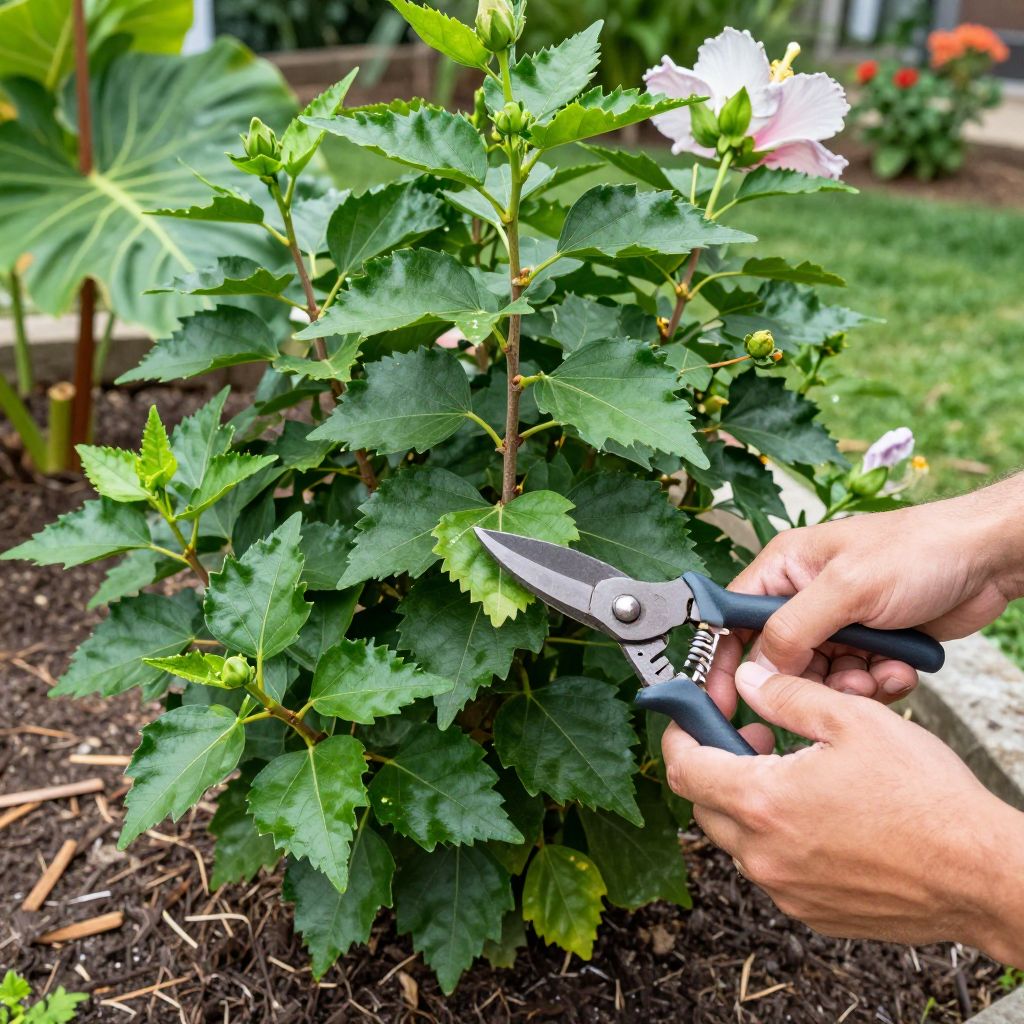
If you’re wondering when to prune hibiscus plants, the short answer is: prune at the right time for the type of hibiscus you grow. Tropical hibiscus is usually pruned in spring or after a flush of growth, while hardy hibiscus is cut back in late winter or early spring. The goal is to shape the plant without removing the flower buds you want later.
Good pruning keeps hibiscus fuller, healthier, and easier to manage. The exact timing matters because pruning too early, too late, or too hard can reduce blooms or stress the plant.
When to prune hibiscus plants?
Prune hibiscus when the plant is entering active growth, not when it is preparing to bloom. For tropical hibiscus, late winter to early spring is usually best in warm climates or for indoor plants moved outside later. For hardy hibiscus, wait until late winter or early spring and cut back dead stems before new shoots emerge.
Know which hibiscus you have first
Timing depends on whether you grow tropical hibiscus or hardy hibiscus. They look similar at a glance, but their pruning needs are different enough that mixing them up can cost you flowers.
Tropical hibiscus
Tropical hibiscus is usually grown as a container plant or outdoor shrub in frost-free or warm climates. It blooms on new growth, so pruning before the main growing season helps encourage branching and more flower-producing stems.
Hardy hibiscus
Hardy hibiscus dies back in cold weather in many climates and regrows from the base. Because of that, it is typically pruned much later, after winter damage is clear and before new growth starts in spring.
Best timing by season
Late winter to early spring
This is the safest general window for most hibiscus pruning. The plant is still dormant or just waking up, so cuts heal as growth resumes. It also lets you remove winter damage and see the plant’s structure more clearly.
After a bloom flush
For tropical hibiscus, light shaping after a round of flowering can help maintain size and encourage branching. Avoid heavy pruning right before peak bloom season, since you may remove developing buds.
After frost or cold injury
If your plant has been damaged by cold, wait until you can tell which stems are alive. Dead wood often looks brown, dry, and brittle, while living tissue beneath the bark is usually green and firm.
How to prune hibiscus without hurting blooms
Hibiscus responds well to light, thoughtful pruning. The best approach is to remove weak, crossing, or damaged stems first, then shorten overly long shoots to shape the plant.
- Start with dead or damaged wood. Cut back to healthy tissue.
- Remove crossing branches. This improves airflow and reduces rubbing wounds.
- Shorten leggy stems. Make cuts just above a leaf node or outward-facing bud.
- Thin crowded growth. Open the center a little so light reaches inside the plant.
- Step back and reassess. Prune gradually rather than taking too much at once.
For most home gardeners, a light to moderate prune is enough. Avoid removing more than about one-third of the plant at a time unless you are rejuvenating an overgrown specimen and it is the right season for that kind of cut.
Pruning goals: shape, size, and flowering
To make hibiscus bushier
Trim the tips of long stems to encourage side shoots. This creates a fuller plant and often leads to more flowering points later in the season.
To control size
If your hibiscus has outgrown its space, shorten the longest stems first. Keep the natural shape in mind rather than forcing a tight, formal outline.
To improve flowering
Healthy, well-timed pruning can increase bloom potential because it stimulates new growth. The key is not to prune so late that you remove the wood that would have produced flowers.
Tools and technique matter
Clean, sharp tools make smoother cuts and reduce the chance of disease. Use bypass pruners for most stems, loppers for thicker branches, and gloves if the plant is dense or woody.
- Disinfect blades if you are pruning a plant with suspected disease.
- Make clean cuts at a slight angle just above a node.
- Do not crush stems with dull tools.
- Remove debris from around the plant after pruning.
If your hibiscus is in a pot, pruning is also a good time to inspect the roots, drainage holes, and potting mix. Container plants often need more frequent shaping because they grow faster in controlled conditions.
What to avoid when pruning hibiscus
Some pruning mistakes are easy to make, especially when a plant looks messy after winter. A careful approach helps you avoid a season of weak growth or fewer blooms.
- Do not prune at the wrong season. Late pruning can remove flower buds.
- Do not shear randomly. Hibiscus usually looks better with selective cuts.
- Do not leave stubs. They can die back and become entry points for disease.
- Do not overprune stressed plants. Give drought-stressed or pest-ridden plants time to recover first.
- Do not prune frozen stems too early. Wait until cold injury is clear.
How climate affects pruning time
Your local weather matters more than the calendar. In warm regions, hibiscus may keep growing for much of the year, so pruning is often done after a bloom cycle or during the mildest part of the season. In colder regions, wait until the danger of hard frost has passed.
Indoor hibiscus can be pruned more flexibly, but they still benefit from a late winter or early spring trim when light levels begin improving. If your plant lives indoors year-round, avoid heavy pruning during low-light winter months unless you need to remove damaged growth.
Aftercare following pruning
After pruning, give the plant steady care so it can push out fresh shoots. Hibiscus often responds best when it is not forced to recover from pruning and drought at the same time.
- Water thoroughly when the top layer of soil begins to dry.
- Keep the plant in bright light or full sun, depending on the type.
- Watch for new shoots along the stems within a few weeks.
- Hold off on heavy feeding until active growth resumes.
If the plant is in poor soil, top-dress with compost or refresh the potting mix rather than digging deeply around the roots. Good drainage is especially important because hibiscus dislikes sitting in waterlogged soil.
Common problems you may notice after pruning
No new growth appears
If the plant stays bare, the pruning may have been too severe, too late, or done on wood that was already dead. Check for green tissue under the bark and make sure the plant is getting enough warmth and light.
Leaves yellow or drop
Some leaf drop after pruning can happen, especially if the plant was moved, repotted, or exposed to temperature swings. Persistent yellowing may point to drainage problems, root stress, or pests.
Few flowers later in the season
This often means the plant was pruned at the wrong time or too heavily. Hibiscus needs enough healthy new growth to carry buds, so balance shaping with restraint.
Pests and disease to watch for
Pruning can help reduce pest and disease pressure by opening the canopy, but it is not a cure-all. Check the plant while you prune so you can spot trouble early.
- Aphids on tender new growth
- Whiteflies on the undersides of leaves
- Spider mites in hot, dry conditions
- Leaf spots that may worsen if foliage stays wet
If you see a serious infestation or disease, remove the worst affected parts and improve airflow. Avoid pruning wet plants if possible, since moisture can help spread some problems.
Simple pruning checklist for hibiscus
- Identify whether your plant is tropical or hardy hibiscus.
- Choose the correct season: late winter or early spring for most pruning.
- Remove dead, damaged, or crossing stems first.
- Shorten long stems just above a node.
- Keep cuts clean and avoid removing too much at once.
- Water, watch for new growth, and adjust care as the plant recovers.
Conclusion
When to prune hibiscus plants depends on the type you grow, but the safest rule is to prune just before active growth begins. Start with dead wood, make light shaping cuts, and avoid removing flower buds. If you are unsure, wait a little longer rather than pruning too early. For more plant care guidance, you may also find it helpful to read about container plant maintenance and how to encourage more flowering in shrubs.