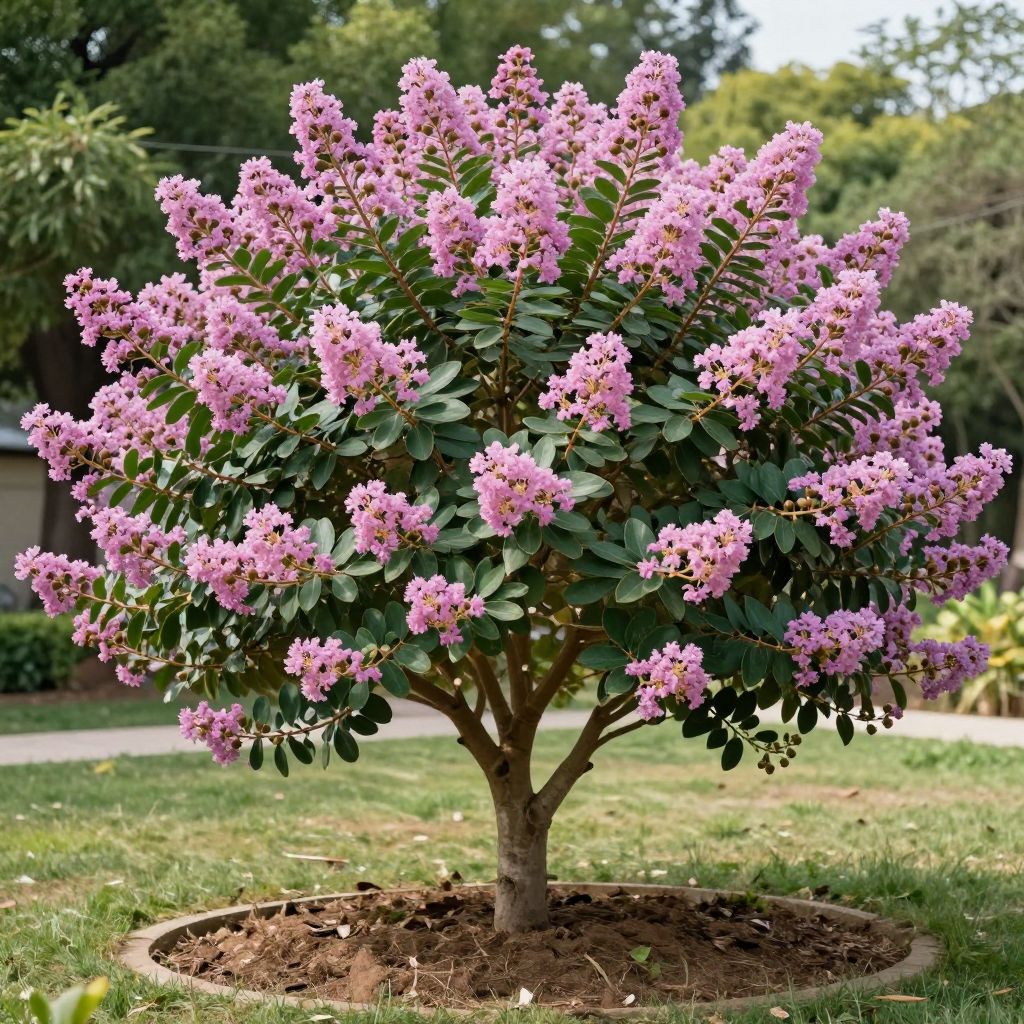
When do crepe myrtles bloom? If your tree or shrub is leafing out but not flowering yet, the answer usually depends on age, sunlight, pruning, and local climate. Most crepe myrtles begin blooming in mid- to late summer and can keep flowering into early fall when they’re growing well.
They are dependable warm-season bloomers, but timing can shift by several weeks from one garden to another. Understanding what controls flowering helps you tell the difference between a healthy plant that is simply on schedule and one that needs a care adjustment.
When do crepe myrtles bloom?
Crepe myrtles usually bloom from mid-summer through early fall, often starting in June or July in warm regions and later in cooler climates. Flowering lasts for weeks because new buds keep opening as the season progresses. Young plants, heavy shade, and severe pruning can delay or reduce blooms.
What affects bloom timing?
Several growing conditions influence exactly when your crepe myrtle flowers. If yours is late, the cause is often environmental rather than a serious problem.
Sunlight is the biggest factor
Crepe myrtles bloom best in full sun, which means at least 6 hours of direct light daily. In partial shade, they may grow leaves well but produce fewer flowers and bloom later.
If a plant is shaded by trees, buildings, or fences, it may flower sparsely or not at all. In that case, the issue is usually light, not fertilizer.
Climate changes the calendar
In warmer areas, crepe myrtles often start blooming earlier and flower longer. In cooler regions, they may not begin until midsummer, especially after a cool spring or a late frost.
Local weather matters more than the date on a calendar. A cool, wet spring can slow growth, while a hot, sunny spring can push flowering earlier.
Plant age matters
Newly planted crepe myrtles often spend their first season establishing roots before putting on a full flower display. A young plant may bloom lightly the first year and improve as it matures.
If you planted one recently, give it time. A well-sited plant often becomes a better bloomer in its second or third season.
Pruning can delay blooms
Crepe myrtles flower on new growth, so light pruning is fine, but hard cutting back can push the plant to make lots of leafy shoots before it blooms. That can delay flowers and reduce the overall display.
Avoid severe topping or “crepe murder.” It weakens the natural shape and often leads to fewer, later blooms.
How to encourage better blooming
If your crepe myrtle is healthy but blooming poorly, a few practical adjustments can help. Focus on conditions that support strong growth rather than trying to force flowers.
- Check the light. Make sure the plant gets full sun for most of the day.
- Review pruning. Remove only dead, crossing, or crowded branches, and avoid hard cutting back of main stems.
- Water deeply during establishment. New plants need consistent moisture while roots are developing.
- Use mulch. A 2- to 3-inch layer helps conserve moisture and moderate soil temperature.
- Go easy on nitrogen. Too much high-nitrogen fertilizer can encourage leafy growth at the expense of flowers.
Soil and drainage
Crepe myrtles prefer soil that drains well. They can tolerate a range of soils, but soggy ground often leads to weak growth and fewer blooms.
If your soil stays wet after rain, improve drainage before expecting strong flowering. Raised beds or planting on a slight mound can help in poorly drained sites.
Watering the right way
Established crepe myrtles are fairly drought tolerant, but they bloom better when they are not stressed by prolonged dryness. Water deeply during hot, dry spells rather than giving frequent shallow sprinkles.
For newly planted trees, keep the root zone evenly moist, not waterlogged. A slow soak once or twice a week may be enough in mild weather, but hot, windy conditions may require more frequent checking.
Fertilizer: less is often more
If your soil is reasonably fertile, you may not need much fertilizer at all. Excess nitrogen can produce lush foliage and fewer flowers.
If growth is weak and soil is poor, a balanced, slow-release fertilizer or compost topdressing can help, but always follow local soil conditions and product directions. A soil test is the best guide if bloom performance stays poor.
Why a crepe myrtle may not be blooming
When a plant refuses to flower, the cause is usually one of a few common issues. A quick diagnosis can save you from making the wrong fix.
- Too much shade: The plant grows leaves but few flower buds.
- Recent transplanting: Root establishment can delay flowering.
- Heavy pruning: The plant spends energy on new shoots instead of blooms.
- Too much nitrogen: Fertilizer pushes leafy growth.
- Late frost or cool spring: Bud development slows.
- Poor drainage: Roots struggle and flowering declines.
If your plant is mature, in full sun, and still not blooming, inspect the site carefully before assuming it is diseased. Many non-blooming problems are cultural, not pest-related.
Common pests and diseases that can affect flowering
Healthy foliage supports better bloom production, so it helps to keep an eye out for stress caused by pests or disease. Most issues are manageable if caught early.
Aphids and sooty mold
Aphids can feed on new growth and leave behind sticky honeydew. That sticky residue can encourage sooty mold, which coats leaves and makes the plant look dirty.
Light infestations often wash off with a strong spray of water. Encourage beneficial insects and avoid overfertilizing, which can make tender growth more attractive to aphids.
Powdery mildew
Powdery mildew may appear as a white coating on leaves, especially in humid conditions with poor air circulation. While it rarely kills the plant, it can weaken growth and reduce flowering quality.
Give plants room to breathe, avoid overhead watering late in the day, and remove heavily affected leaves if needed.
Scale insects
Scale can appear as small bumps on stems and branches. Severe infestations may weaken the plant and reduce bloom production over time.
If you suspect scale, inspect stems closely and prune out badly infested twigs when possible. For serious problems, use an appropriate horticultural control suited to your region and label directions.
Pruning tips for better blooms
Pruning is one of the most misunderstood parts of crepe myrtle care. Done correctly, it can improve shape and airflow. Done aggressively, it can reduce the quality of flowering.
When to prune
The best time to prune is usually late winter to early spring, before new growth begins. That timing lets you remove winter damage and shape the plant without sacrificing the current season’s flower buds.
What to remove
- Dead or damaged wood
- Crossing branches
- Weak shoots from the base or interior
- Spent flower clusters if you want a tidier look
Keep the natural branching structure whenever possible. Crepe myrtles look and bloom best when they are allowed to grow into their own form.
Growing conditions for strong flowering
If you are planting a new crepe myrtle, choose the site carefully. Good placement makes bloom timing more reliable year after year.
- Sun: Full sun is best.
- Soil: Well-drained soil is ideal.
- Space: Leave enough room for the mature size of the variety.
- Airflow: Good circulation helps reduce mildew and leaf spots.
- Mulch: Keep mulch a few inches away from the trunk.
When planting, dig a hole wide enough for the root ball and set the plant at the same depth it was growing in the container or nursery bed. Backfill gently and water thoroughly to settle the soil.
Propagation and young plants
If you are propagating crepe myrtles from cuttings or growing a small nursery plant, expect a delay before full flowering. Young plants often prioritize root and branch development first.
That is normal. The best way to speed blooming is not to rush the plant, but to give it sun, space, and steady care.
Seasonal bloom care checklist
Use this simple seasonal routine to keep your crepe myrtle on track for flowering.
- Late winter: Remove dead wood and shape lightly if needed.
- Spring: Watch for new growth and avoid heavy fertilizer unless a soil test suggests it.
- Early summer: Mulch, water during dry spells, and monitor for pests.
- Mid- to late summer: Enjoy the bloom period and remove only spent clusters if desired.
- Fall: Let the plant harden off naturally as temperatures cool.
Conclusion
So, when do crepe myrtles bloom? Most bloom from mid-summer into early fall, but the exact timing depends on sun, climate, age, pruning, and overall plant health. If yours is slow to flower, check the light first, then review pruning and soil conditions.
If you want to keep learning about crepe myrtle care, you may also find it helpful to read when it is too late to prune crepe myrtles and compare bloom timing with other landscape shrubs like when rose of sharon blooms.