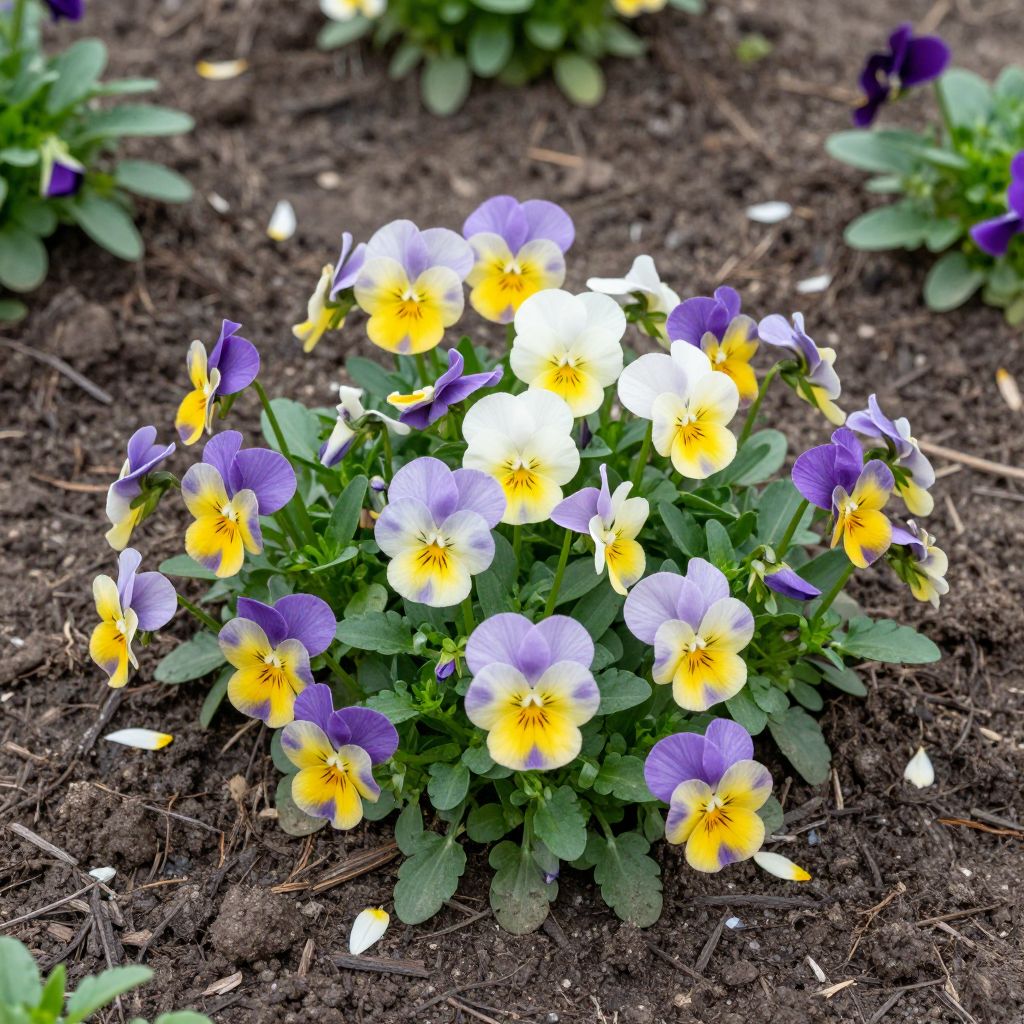
Are pansies perennials? The short answer is: sometimes, but often they’re grown as cool-season annuals. In mild climates, many pansies can survive winter and bloom again in spring, while in hot summers or hard freezes they usually decline and are replanted.
Whether your pansies come back depends on your climate, planting time, soil drainage, and how much heat they face. If you want longer-lasting plants, the key is to treat them like cool-weather flowers and give them the conditions they prefer.
Are pansies perennials?
Pansies are technically short-lived perennials, but in most gardens they behave like annuals or biennials. They perform best in cool weather, and in regions with mild winters they may survive and bloom for more than one season. In hot climates, summer heat usually ends the plant’s life cycle.
Why pansies often act like annuals
Pansies are bred for color and cool-season performance, not long-term permanence. They bloom heavily in spring and fall, then slow down when temperatures rise.
What limits their lifespan
- Heat stress: Pansies dislike warm weather and often fade once temperatures stay high.
- Wet, poorly drained soil: Roots can decline if the soil stays soggy.
- Age: Even in ideal conditions, many plants naturally weaken after a season or two.
- Cold exposure: Some plants tolerate frost, but severe freezes can kill them.
When pansies may return
If your winters are mild and summers are not too hot, pansies can persist through cooler months and bloom again when conditions improve. In many gardens, they reseed lightly or survive as short-lived perennials rather than true long-term border plants.
Best growing conditions for longer-lasting pansies
To help pansies stay healthy as long as possible, focus on cool temperatures, rich soil, and steady moisture without waterlogging. These flowers reward good site selection more than frequent feeding.
Sunlight
Pansies grow best in full sun to partial shade. In cool climates, full sun is usually ideal. In warmer areas, afternoon shade helps reduce stress and can extend flowering.
Soil and drainage
Use soil that is loose, fertile, and drains well. Pansies do not like heavy, compacted ground that stays wet after rain.
- Work in compost before planting to improve structure and moisture balance.
- Avoid low spots where water collects.
- In containers, choose a quality potting mix with good drainage holes.
Watering
Keep the soil evenly moist, especially after planting and during dry spells. Water when the top layer of soil begins to dry, but do not let plants sit in standing water.
Overwatering is one of the fastest ways to shorten a pansy’s life. If leaves yellow and growth looks weak, check drainage before adding more water.
How to plant pansies for the best chance of return
Whether you plant pansies in beds, borders, or pots, the goal is to reduce stress from the start. Healthy roots in cool soil give the plant the best chance of surviving longer.
- Choose a site with morning sun and some afternoon shade if your climate is warm.
- Prepare the soil with compost or other organic matter.
- Plant at the same depth they were growing in the nursery pot.
- Space plants so air can move between them.
- Water thoroughly after planting.
- Mulch lightly to help keep roots cool and soil moisture steady.
Container planting tips
Pansies do well in containers if the pot drains freely. Use a container that is large enough to keep roots from drying out too quickly, and avoid decorative pots without drainage holes unless you use an inner liner.
Seasonal care that helps pansies last longer
Pansies are not difficult, but they do respond well to regular maintenance. A few simple habits can keep them blooming longer and looking fuller.
Deadheading
Remove faded flowers often. This encourages more blooms and keeps the plant tidy. If the plant becomes leggy, trim it back lightly to promote fresh growth.
Feeding
Pansies usually do not need heavy fertilizing. Too much nitrogen can produce leafy growth with fewer flowers. If your soil is poor, a light application of balanced fertilizer or compost can help, but always follow local soil needs and product directions.
Mulching
A thin layer of mulch can help keep roots cooler and reduce moisture loss. Keep mulch a little away from the crown so the plant does not stay too damp.
Can pansies survive winter?
Often, yes, if winters are mild enough and the plants are well established before cold weather arrives. Pansies can tolerate light frost and may keep blooming through cool periods.
Winter protection tips
- Plant in a sheltered spot out of harsh wind.
- Mulch lightly around the roots before hard freezes.
- Water during dry winter spells if the ground is not frozen.
- Remove damaged flowers and leaves to reduce rot.
If your area gets prolonged deep freezes, pansies may not make it through winter outdoors. In that case, treat them as seasonal color and replant when cool weather returns.
Common problems that shorten pansy life
Most pansy failures come from stress rather than disease alone. If your plants fade quickly, look first at temperature, drainage, and sunlight.
Heat
When temperatures climb, pansies often stop blooming and become spindly. In hot regions, they are best used in fall, winter, and early spring.
Root rot
Soft stems, yellowing leaves, and wilting despite wet soil often point to root rot or poor drainage. Improve drainage and reduce watering rather than trying to “save” the plant with more water.
Pests
Slugs, snails, aphids, and spider mites can damage pansies. Check leaves regularly, especially in damp or crowded plantings. Remove heavily damaged growth and use gentle control methods appropriate for your garden.
Powdery mildew and leaf spots
These problems are more likely when air circulation is poor or leaves stay wet for long periods. Space plants properly, water at the base, and clean up fallen debris around them.
How to keep pansies blooming longer
If you want the longest display possible, think of pansies as a cool-season crop with a limited window. The right timing matters as much as the right care.
- Plant them when temperatures are cool enough for root growth.
- Give them morning sun and afternoon shade in warm climates.
- Keep soil moist but never soggy.
- Deadhead regularly to encourage more flowers.
- Replace tired plants when they stop performing well.
Do not expect pansies to thrive through hot summer weather in most regions. If they collapse in heat, that is usually normal rather than a sign you failed.
Propagating pansies
Most gardeners buy new pansy plants each season, but you can also let some flowers set seed if you want volunteers. Seed-grown plants may not look exactly like the parent plant, especially with hybrid pansies.
Seed-saving note
If you collect seed, let the pods dry on the plant before harvesting. Keep in mind that many store-bought pansies are hybrids, so the next generation may vary in color and form.
Are pansies right for your garden?
Pansies are a great choice if you want bright color in cool weather and do not mind replacing them when heat arrives. In mild climates, they may behave like short-lived perennials. In harsher climates, they are better treated as seasonal flowers.
If you want to decide whether your pansies can return, watch how they handle your local winter and summer conditions. For more cool-season flower ideas and garden care tips, explore related planting guides and container gardening advice on your favorite gardening resources.