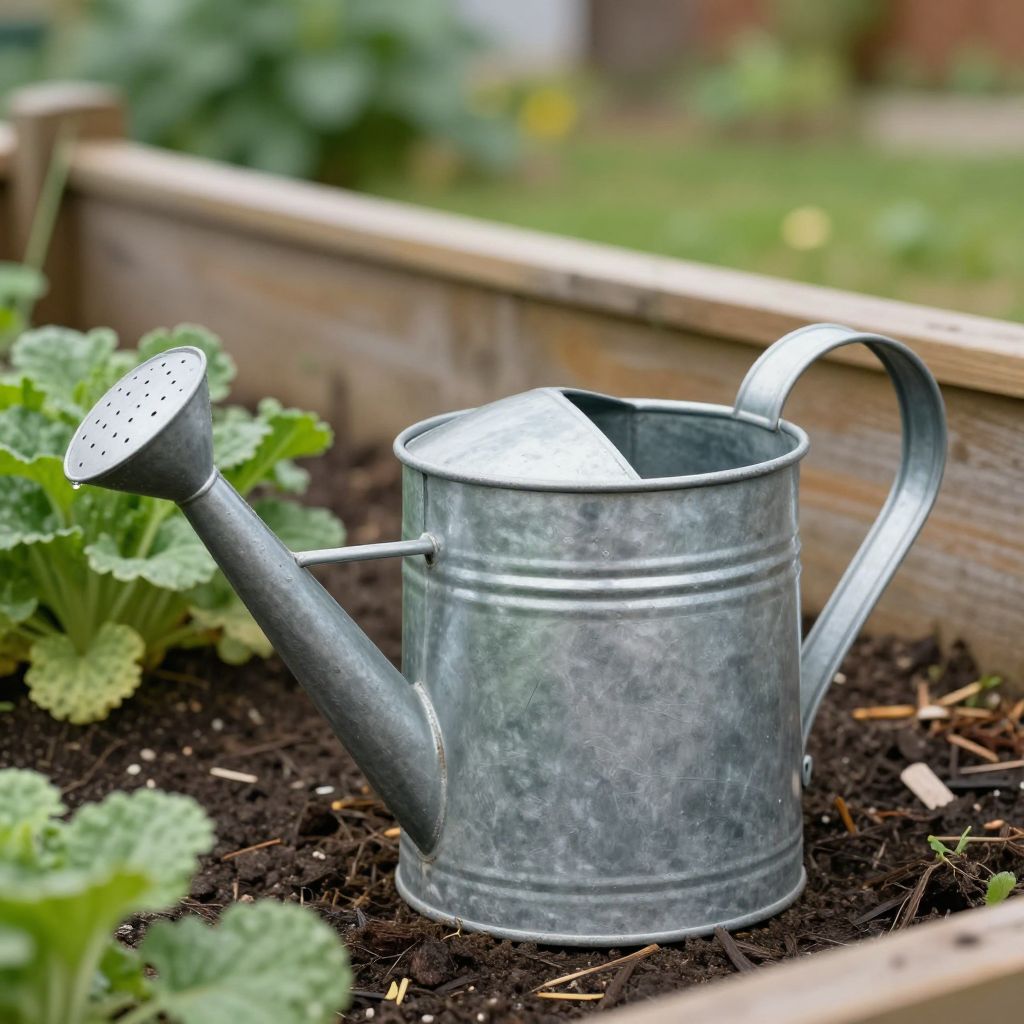
Trying to decide whether a galvanized watering can is a good choice for your garden? It can be one of the most useful tools you own, especially if you want controlled watering for seedlings, containers, hanging baskets, and houseplants.
The key is knowing how to choose the right size, use it without overwatering, and keep it clean so it lasts. A well-made galvanized watering can is practical, durable, and attractive, but it works best when matched to your plants and your watering routine.
What is a galvanized watering can and why use one?
A galvanized watering can is a metal watering can coated with zinc to help resist rust. It gives you better control than a hose for targeted watering, making it ideal for pots, young plants, and delicate foliage. Choose one with a comfortable handle, a stable spout, and a rose head if you want gentle, even watering.
How do you choose the right galvanized watering can?
The best can is the one you can lift comfortably when full and use without spilling. For most home gardeners, a smaller can is easier to manage than an oversized one, especially if you water often or carry it between beds, containers, and indoor plants.
Size and weight matter more than looks
When filled, even a modest can becomes heavy. Water weighs about 8.3 pounds per gallon, so a large can can quickly become awkward if you have wrist, shoulder, or back issues.
- Small cans are useful for indoor plants, seedlings, and small patios.
- Medium cans suit mixed container gardens and a few raised beds.
- Large cans are best only if you can carry them safely and need fewer refills.
Look for practical features
- Balanced handle for easy pouring.
- Long spout for reaching under foliage.
- Removable rose for gentler watering on seedlings.
- Wide opening for fast filling and easier cleaning.
- Sturdy seams and a stable base to reduce leaks and tipping.
How should you use a galvanized watering can for healthy plants?
Water slowly at the soil line until moisture reaches the root zone, then stop before the pot or bed becomes soggy. A galvanized watering can is especially helpful because it lets you direct water exactly where plants need it, reducing waste and helping you avoid wetting leaves unnecessarily.
Step-by-step watering method
- Fill the can with clean water and attach the rose if you need a softer flow.
- Check the soil first. If the top inch or two feels dry, watering may be needed; if it is still moist, wait.
- Pour slowly around the base of the plant, not over the whole foliage.
- Let water soak in, then add more only if the soil is still dry below the surface.
- Empty any standing water from saucers or trays after watering containers.
Outdoor beds versus containers
Garden beds usually need deeper, less frequent watering than pots. Containers dry out faster because they have less soil volume and more exposure to sun and wind, so a watering can is useful for checking each pot individually rather than treating everything the same.
- Raised beds: water slowly so moisture can penetrate evenly.
- Containers: water until you see a little drainage from the bottom, then stop.
- Seedlings: use a rose head or very gentle pour to avoid disturbing roots.
- Established shrubs and perennials: water at the root zone, not the leaves.
What plants benefit most from a watering can?
Any plant that needs careful, targeted watering can benefit from a galvanized watering can. It is especially useful for plants that dislike overhead watering, newly planted specimens, and anything growing in pots where moisture levels change quickly.
Best uses in the garden
- Seed trays and young transplants
- Herbs in containers
- Hanging baskets
- Houseplants and overwintering plants
- Delicate flowers that can be flattened by a strong hose spray
For vegetables, consistent moisture matters most during establishment and fruiting. A watering can helps you deliver water where it is needed without splashing soil onto lower leaves, which can reduce disease pressure in some crops.
How do you keep a galvanized watering can from rusting or leaking?
Galvanized metal resists rust, but it is not maintenance-free. If you leave water sitting inside, store it outdoors in harsh weather, or allow grit to collect in seams and the rose, the can will wear out sooner. Simple cleaning and dry storage will extend its life.
Basic maintenance routine
- Empty the can after each use.
- Rinse out soil, algae, or fertilizer residue.
- Remove the rose and flush it if the holes clog.
- Dry the can before storing it, especially in humid weather.
- Keep it under cover when not in use.
Common problems and fixes
- Clogged rose: soak and rinse the head, then clear holes with water rather than sharp tools that can enlarge them.
- Mineral buildup: use clean water when possible and rinse regularly if your water is hard.
- Minor leaks: check seams and joints; small leaks may be repairable depending on the design.
- Surface rust: clean and dry promptly to slow further corrosion.
Can you use a galvanized watering can for fertilizer or compost tea?
You can, but be cautious. Liquid feeds and compost teas can leave residue behind, so rinse the can thoroughly afterward. If you use fertilizers often, consider dedicating one can to feeding and another to plain water to avoid buildup and confusion.
Important: Never leave nutrient solutions sitting in the can for long periods. Residue can stain, clog the rose, and make cleaning harder.
Is a galvanized watering can good for indoor plants?
Yes, especially if you have many pots or need precise control. Indoors, the main advantage is accuracy: you can water directly into the pot without splashing floors, windowsills, or leaves. A smaller can is usually easier to handle inside the house.
Indoor watering tips
- Use a smaller can to reduce spills.
- Choose a narrow spout for tight spaces.
- Water only when the plant actually needs it, not on a fixed schedule.
- Empty drip trays after watering unless the plant prefers to sit briefly in moisture.
Indoor plants vary widely in their needs. Succulents and cacti need the soil to dry more between waterings, while tropical houseplants may prefer more even moisture. Always check the potting mix rather than relying on the can itself to decide when to water.
How do you avoid common watering mistakes?
The biggest mistakes are watering too often, watering too fast, and assuming every plant needs the same amount. A watering can gives you control, but that control only helps if you use it with attention to soil moisture and plant type.
Mistakes to avoid
- Overwatering containers: soggy roots can lead to decline and root rot.
- Spraying foliage unnecessarily: wet leaves can encourage some fungal problems in humid conditions.
- Using a heavy can when full: this can cause spills and strain.
- Ignoring drainage: a beautiful can cannot fix a pot without drainage holes.
- Leaving water in the can: this shortens the life of the metal and encourages buildup.
How does weather affect watering with a galvanized can?
Hot, windy, and dry conditions increase water loss from soil and leaves, while cool or rainy periods reduce the need for watering. A watering can is best used as part of a responsive routine, not a fixed calendar schedule.
Seasonal considerations
- Spring: newly planted beds and containers may need frequent checking as roots establish.
- Summer: water earlier in the day when evaporation is lower.
- Autumn: many plants need less water as growth slows, but containers can still dry out quickly on sunny days.
- Winter: indoor plants may need less water, while sheltered evergreens outdoors can still dry out in cold, windy weather.
How can a galvanized watering can fit into garden design?
Besides being useful, a galvanized watering can can also be part of the garden’s look. It suits cottage gardens, potting benches, greenhouse spaces, and rustic patios. If you leave it out as a decorative piece, keep it dry and sheltered so it does not weather too quickly.
For a tidy garden workspace, pair your watering can with a potting tray, hand trowel, and pruning snips. Keeping your tools together makes watering and plant care faster, especially when you are checking several containers or seedlings at once.
What is the best way to store and maintain it long term?
Store your galvanized watering can upside down or in a dry spot where water cannot pool inside. If you garden year-round, a covered shed, garage, or greenhouse corner is better than leaving it exposed to constant rain and sun.
- Keep it off damp soil or concrete when possible.
- Rinse after fertilizer use.
- Dry before long-term storage.
- Inspect seams, handles, and the rose each season.
Conclusion
A galvanized watering can is a simple tool, but it can make watering more accurate, gentler, and more enjoyable. Choose a size you can handle comfortably, water at the soil line, and keep the can clean and dry between uses.
If you want to compare styles or learn more about practical options, you may also find these guides helpful: garden watering can basics and vintage galvanized watering can ideas.