Wondering when to plant sugar snap peas for the best harvest? Timing matters because these cool-season vines grow fastest and tastiest when temperatures are mild. Plant too early in frozen soil or too late in heat, and germination and pod quality can suffer.
The good news: sugar snap peas are one of the easiest spring crops to time well. With the right soil temperature, sunlight, and support, you can get crisp pods before summer heat slows them down.
When to plant sugar snap peas?
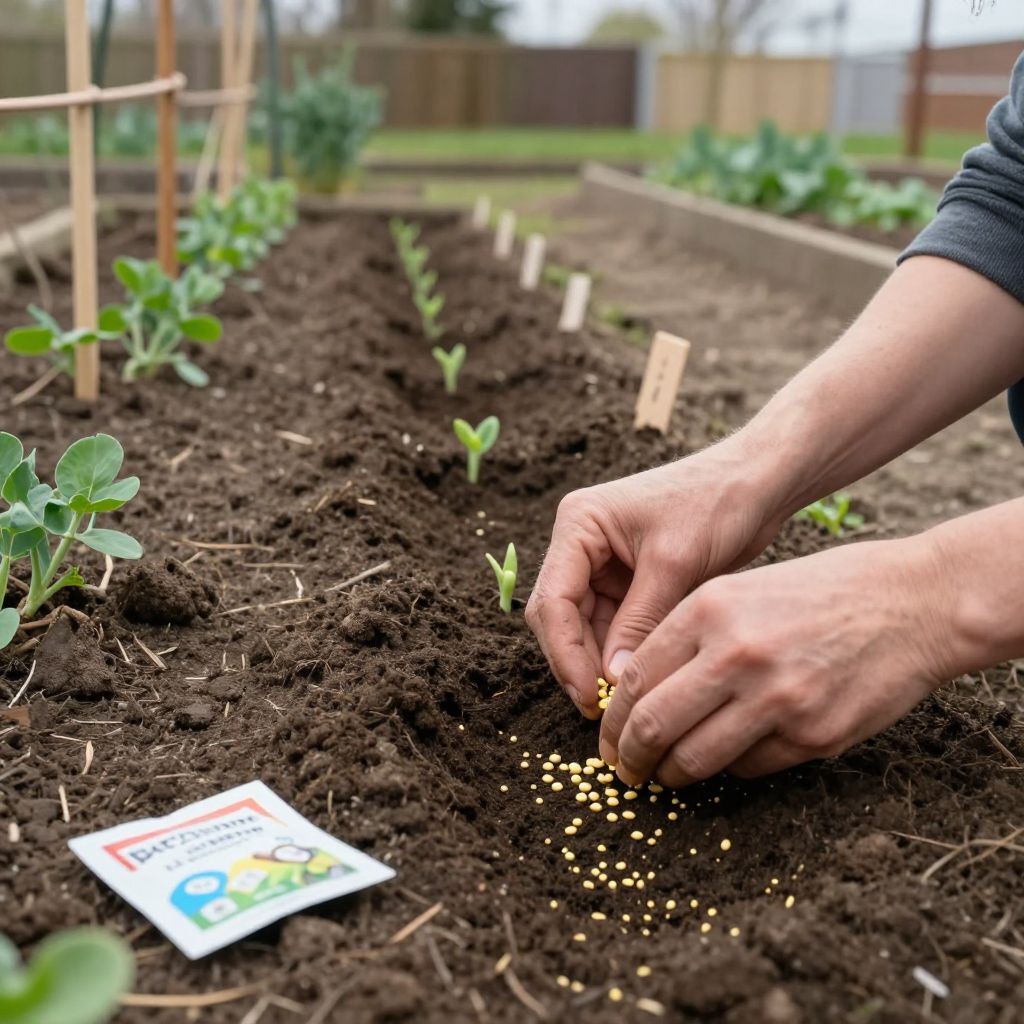
Plant sugar snap peas as soon as the soil can be worked in early spring, usually 4 to 6 weeks before your last expected frost. In mild climates, you can also sow in late summer or early fall for a cooler-season crop. The key is cool weather, not the calendar date.
Best planting time by season
Spring planting
Spring is the main planting window for sugar snap peas. Sow seeds when soil is no longer waterlogged and has warmed enough to support germination, but before hot weather arrives.
- Ideal air temperatures: cool to mild conditions
- Soil: workable, moist, and well drained
- Timing: early enough that plants flower before summer heat
If your spring warms quickly, plant earlier rather than later. Sugar snap peas often stop producing well once temperatures climb and pods become tough.
Fall planting
In areas with long, mild autumns, you can sow sugar snap peas in late summer or early fall. The goal is to give plants enough time to establish and set pods before hard frost or prolonged cold.
Fall planting works best where summers are hot but autumns stay cool for several weeks. In colder regions, fall sowing is usually less reliable unless you have a protected spot or a very long growing season.
Indoor starting vs. direct sowing
Sugar snap peas are usually best direct sown outdoors. Their roots dislike disturbance, so starting them indoors often offers little advantage unless your season is extremely short.
If you do start them indoors, use biodegradable pots and transplant very carefully while seedlings are small. Even then, direct sowing is usually simpler and more successful.
How to tell if it is time to plant
Use your local frost dates and soil conditions as your guide. A general rule is to plant once the soil is thawed, drained, and easy to work, but before warm weather encourages weak growth and poor pod set.
- Check your average last frost date for spring sowing.
- Look for soil that is moist but not sticky or compacted.
- Choose a stretch of cool weather if possible.
- Avoid planting into frozen, soggy, or crusted soil.
If you are unsure, sow a small test planting first. Sugar snap peas germinate best in cool soil, and a staggered sowing can help spread your harvest.
Soil, sunlight, and site requirements
Sunlight
Sugar snap peas grow best in full sun, but they can tolerate light shade in warmer regions. In hot climates, a site with morning sun and afternoon shade can help extend the season.
Soil
Use fertile, well-drained soil with plenty of organic matter. Peas do not like heavy, soggy ground, and poor drainage can lead to weak growth or seed rot.
Before planting, work in compost to improve texture and moisture balance. Avoid fresh manure, which can push leafy growth without improving pod production.
pH and fertility
Sugar snap peas generally do well in neutral to slightly acidic soil. They usually need only modest feeding because they can fix some of their own nitrogen with the help of beneficial soil bacteria.
Too much nitrogen can produce lush vines with fewer pods, so focus more on soil structure and compost than on heavy fertilizing.
How to plant sugar snap peas
- Prepare a bed with loose, well-drained soil and remove large clods or debris.
- Sow seeds about 1 to 1.5 inches deep, following the spacing on your seed packet.
- Space rows far enough apart to allow airflow and easy harvesting.
- Water gently after planting to settle the soil.
- Install a trellis or support at planting time or soon after sprouting.
Planting depth matters because pea seeds need consistent moisture but can rot if buried too deeply in cold, wet soil. If your soil is heavy, sow a little shallower and keep the surface evenly moist.
Why support is important
Most sugar snap peas climb, and a trellis keeps pods cleaner, improves airflow, and makes picking easier. Even shorter varieties often benefit from some support.
- Use pea netting, wire fencing, string, or sturdy twiggy branches.
- Set supports early so roots are not disturbed later.
- Keep vines trained onto the support as they grow.
Watering and early care
Keep the soil evenly moist from sowing until seedlings are established. Consistent moisture helps germination and steady growth, but waterlogged soil can cause problems.
Once plants are growing, water deeply when the top layer of soil begins to dry. Try to water at the base of the plants rather than overhead to reduce disease risk.
Avoid letting the soil swing between very dry and very wet. That kind of stress can reduce flowering and make pods less tender.
Common mistakes when planting sugar snap peas
- Planting too late: Hot weather can shorten the harvest and toughen pods.
- Planting in cold, saturated soil: Seeds may rot or sprout slowly.
- Overfertilizing: Too much nitrogen can produce vines instead of pods.
- Skipping support: Sprawling plants are harder to manage and harvest.
- Letting plants dry out: Stress can reduce yield and pod quality.
If your peas germinate unevenly, the cause is often cold soil, poor drainage, or old seed. Fresh seed and better site conditions usually improve results more than extra fertilizer.
Pests and diseases to watch for
Common pests
Young pea seedlings can be nibbled by birds, slugs, or rodents. Later, aphids may cluster on tender growth and flower buds.
- Use row cover early if birds are a problem.
- Check for slugs in damp weather and remove hiding spots.
- Rinse aphids off with a strong spray of water when infestations are light.
Common diseases
Poor airflow, wet foliage, and overcrowding can encourage fungal problems. Choose a sunny, open site and avoid watering leaves late in the day.
Crop rotation also helps. Do not plant peas in the same spot year after year if disease has been a problem.
When to harvest sugar snap peas
Harvest sugar snap peas when the pods are plump, crisp, and still tender, before the peas inside become overly large and starchy. Pick often, because regular harvesting encourages more pods.
Use two hands or snips to avoid damaging vines. If you wait too long, pods can become stringy or tough, especially in warm weather.
Can you succession sow sugar snap peas?
Yes, in many climates you can sow a second crop 2 to 3 weeks after the first. This can extend your harvest, especially if the first planting is hit by weather or pests.
In cool regions, succession sowing often works best in spring. In warmer regions, a second sowing may be more successful in late summer for a fall crop.
Quick planting checklist
- Plant in cool weather, not heat.
- Use well-drained soil enriched with compost.
- Direct sow seeds 1 to 1.5 inches deep.
- Provide support early.
- Keep soil evenly moist.
- Harvest pods young and often.
Conclusion
The best time to plant sugar snap peas is early in the cool season, as soon as your soil is workable and before summer heat arrives. If your climate allows, a second sowing in late summer can give you another round of crisp pods.
For more seasonal vegetable growing advice, you may also want to read related guides on spring vegetable planting and how to build a pea trellis.