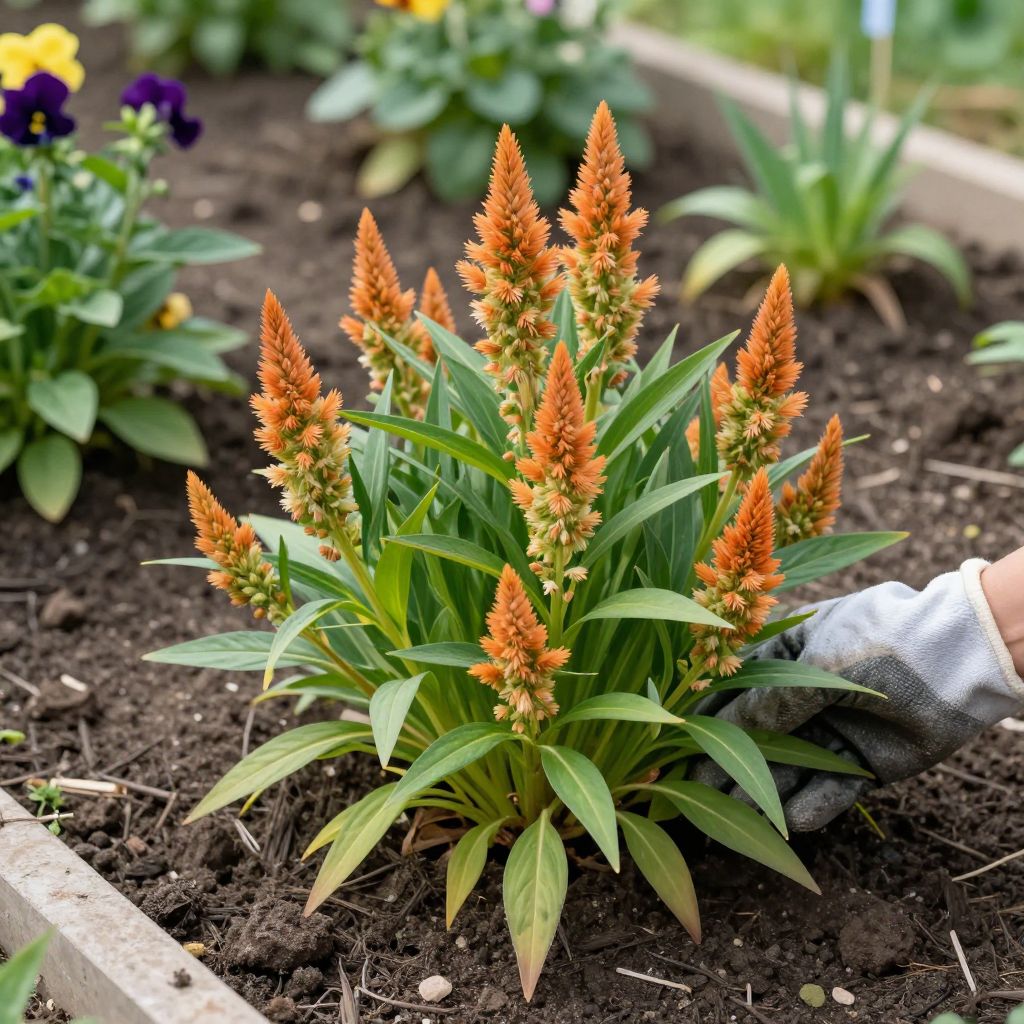
Are celosia perennials? It depends on where you garden. In frost-free tropical and subtropical climates, celosia can behave as a short-lived perennial, but in most temperate gardens it is grown as an annual because cold weather kills it.
That means your success with celosia is less about forcing it to survive winter and more about giving it the warm, sunny conditions it loves during the growing season. With the right care, these colorful plants can bloom for months and make a big impact in beds, borders, and containers.
Are celosia perennials?
Celosia (Celosia spp.) is technically a tender perennial in warm climates, but it is usually treated as an annual in areas with frost. If temperatures drop below freezing, the plant dies back. In USDA hardiness zones where winter stays mild and frost is rare, it may persist for more than one season.
What kind of plant is celosia?
Celosia is a warm-season ornamental grown for its vivid flower plumes or crested blooms. Common types include plume celosia and cockscomb celosia, both valued for bright color and long bloom time in hot weather.
Gardeners usually grow celosia for summer color, cut flowers, and pollinator-friendly planting schemes. It performs best when planted after the danger of frost has passed and the soil has warmed.
Why celosia is often not perennial in colder gardens
Celosia is sensitive to cold. Even a light frost can damage the foliage, stems, and flowers, and prolonged cool, wet weather often shortens its life.
In colder regions, you may see celosia bloom beautifully through summer and then collapse as autumn nights cool. That does not mean you did anything wrong; it simply reflects the plant’s tender nature.
How to grow celosia for the longest season
To get the most from celosia, focus on warmth, sun, and well-drained soil. This plant thrives when conditions are stable and the roots are never left sitting in soggy ground.
Sunlight
- Give celosia full sun for best flowering.
- In very hot climates, light afternoon shade can help prevent stress.
- Too much shade often leads to weak stems and fewer blooms.
Soil and drainage
- Use loose, fertile soil that drains well.
- Work in compost if your soil is poor, but avoid making it heavy or waterlogged.
- If you garden in clay soil, raised beds or containers can improve drainage.
Celosia dislikes compacted soil. If water puddles after rain, the roots may struggle, especially in cool weather.
Watering
Water newly planted celosia regularly until it establishes. After that, water when the top inch or two of soil feels dry, adjusting for heat, rainfall, and container size.
Try to keep the soil evenly moist but not saturated. Overwatering is a common mistake and can lead to root problems and poor flowering.
Feeding
Celosia does not need heavy feeding. A balanced, gentle fertilizer or compost at planting time is usually enough in average garden soil.
Too much nitrogen can produce lush leaves but fewer flowers, so avoid overfertilizing if your goal is blooms.
Planting celosia in the garden or containers
Celosia is easy to start from transplants or seed, depending on your climate and growing season. Because it loves heat, it should be planted only when conditions are reliably warm.
Planting outdoors
- Wait until all frost danger has passed and nights are consistently warm.
- Choose a sunny location with well-drained soil.
- Loosen the soil and mix in compost if needed.
- Set plants at the same depth they were growing in their pots.
- Water thoroughly after planting.
If you are direct-sowing seed, check your local soil temperature and seasonal timing. Celosia germinates best in warmth, so cold spring soil can delay or prevent sprouting.
Growing celosia in pots
Containers are a good choice if your garden soil stays wet or cool. Use a pot with drainage holes and a quality potting mix that holds moisture without becoming dense.
- Choose a container large enough for root growth.
- Make sure excess water can drain freely.
- Place pots in full sun.
- Check moisture more often than in the ground, especially in hot weather.
Can you overwinter celosia?
In most climates, celosia will not survive winter outdoors. If you want to try keeping it going, you need to protect it from frost and provide warmth, but success is not guaranteed.
Overwintering options
- Bring containers indoors before frost if you have a bright, warm space.
- Take cuttings from healthy plants and root them indoors.
- Collect seed from mature flowers for replanting next season.
Indoor overwintering can be challenging because celosia needs strong light and warm temperatures. Without enough light, plants often become leggy and weak.
What to expect indoors
If you move celosia indoors, reduce watering and watch closely for pests such as aphids or spider mites. Indoor air is often drier, which can stress the plant.
For many home gardeners, saving seed is the simplest way to enjoy celosia again next year.
How to keep celosia blooming
Celosia blooms best when you remove spent flowers, avoid stress, and keep the plant growing steadily. Deadheading is especially useful if you want the plant to keep producing fresh color.
Pruning and deadheading
- Pinch off faded flower heads to encourage more blooms.
- Trim lightly if plants become tall and floppy.
- Remove damaged leaves to improve appearance and airflow.
Do not cut the plant back hard unless it is truly overgrown. Celosia is a seasonal plant, and heavy pruning can reduce flowering.
Common reasons celosia stops blooming
- Not enough sunlight
- Cold nights or early frost
- Overwatering or poor drainage
- Too much fertilizer, especially nitrogen
- Plants becoming root-bound in containers
Common pests and diseases
Celosia is usually fairly trouble-free, but stress can make it more vulnerable. Good spacing, airflow, and proper watering go a long way toward prevention.
Pests
- Aphids may cluster on new growth and flower stems.
- Spider mites can appear in hot, dry conditions, especially indoors.
- Whiteflies may affect plants grown in sheltered or greenhouse-like spaces.
If you notice pests early, rinse them off with a strong spray of water or use an appropriate low-impact control for ornamentals, following label directions carefully.
Diseases
- Root rot can develop in wet soil.
- Leaf spots may appear when foliage stays damp too long.
- Poor airflow can increase fungal problems.
The best prevention is simple: plant in sun, avoid crowding, and water at the base instead of overhead when possible.
Using celosia in landscape design
Celosia works well where you want bold color in summer. Its upright form adds texture to borders, mixed containers, and edging plantings.
Good companion uses
- Mix with other heat-loving annuals
- Use in front of taller shrubs or perennials for a bright seasonal layer
- Combine with contrasting foliage plants for stronger visual impact
Because celosia is tender, it is best used as a seasonal accent in colder regions rather than a permanent backbone plant.
Propagation and seed saving
If you want more celosia next year, saving seed is often the easiest option. Seed from open-pollinated plants may grow true enough for home garden use, though results can vary.
How to save seed
- Let flowers mature fully on the plant.
- Allow seed heads to dry before collecting.
- Store seed in a cool, dry place.
- Label the packet with the plant name and year.
For cuttings, take healthy stem pieces from active growth and root them in a light, moist medium. Keep them warm and bright until rooted.
Quick answer: annual or perennial?
If you are asking, “Are celosia perennials?” the practical answer is: only in frost-free climates. For most gardeners, celosia is a warm-season annual that must be replanted each year. In mild tropical or subtropical gardens, it may return, but cold weather will usually end the plant’s life.
Conclusion
Celosia is worth growing for its vivid color and long summer performance, even if it is not perennial in your area. Give it full sun, warm soil, and good drainage, and you will get the best display possible. If you want to keep it going, collect seed or try overwintering a container plant before frost arrives.
For more seasonal plant care, you may also find helpful reading on annual flower care and container gardening tips.
Leave a Reply