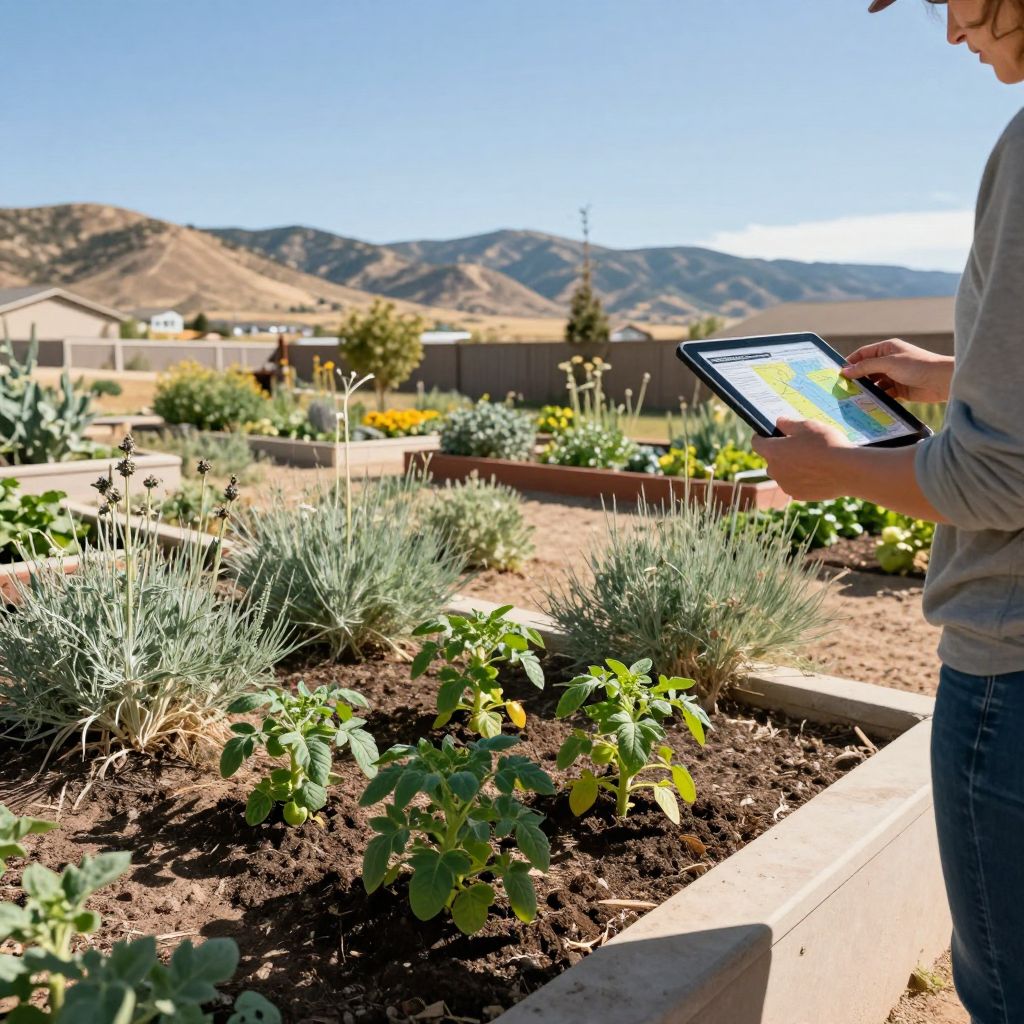
What zone is Colorado for gardening? The short answer is that Colorado is mostly USDA hardiness zones 4 through 7, with colder mountain areas dipping lower and some warmer urban or low-elevation pockets reaching zone 7. Your exact zone depends on elevation, wind exposure, snow cover, and local microclimates, so it’s best to use your town or ZIP code as the real guide.
That matters because Colorado gardening is less about the state name and more about your specific site. Once you know your zone, you can choose perennials, shrubs, trees, and vegetables that survive winter and grow well in Colorado’s dry air, intense sun, and often alkaline soils.
What zone is Colorado for gardening?
Colorado is not one single hardiness zone. Most of the state falls in USDA zones 4, 5, and 6, while some Front Range and other lower-elevation areas are zone 7, and high mountain locations can be zone 3 or colder. Use your exact location, not the state average, when choosing plants.
Why Colorado’s gardening zones vary so much
Colorado has dramatic elevation changes, which create big differences in winter low temperatures. A mountain valley can be several zones colder than a nearby city, and a protected south-facing yard may behave warmer than an exposed hillside.
Other conditions matter too:
- Elevation lowers temperatures and shortens the growing season.
- Wind increases winter damage and dries soil faster.
- Sun exposure is intense, especially at higher elevations.
- Snow cover can insulate roots in some areas, but not reliably every winter.
- Urban heat islands can make city neighborhoods slightly warmer than surrounding areas.
That is why two Colorado gardeners can live only an hour apart and need very different plant choices.
How to use your Colorado zone the right way
Think of USDA zones as a winter survival guide, not a full growing plan. A plant rated for your zone may still struggle if it dislikes Colorado’s dry climate, alkaline soil, or strong afternoon sun.
Start with these three questions
- What is my lowest winter temperature? This determines hardiness.
- How much sun does my site get? Full sun in Colorado can be harsher than full sun in cooler, more humid regions.
- What is my soil like? Many Colorado soils drain quickly and may be alkaline or compacted.
If you are unsure of your zone, look up your ZIP code on a USDA hardiness zone map, then compare that with local extension guidance or nearby nurseries. Local knowledge often beats a broad map, especially in foothills and mountain communities.
Colorado growing conditions that affect plant success
Knowing the zone is only the beginning. In Colorado, the best plants are usually the ones that can handle cold winters and dry, sunny summers.
Soil
Many Colorado gardens have clay, sandy, or rocky soil, and some areas are naturally alkaline. Before planting, loosen compacted soil and mix in compost to improve structure and water retention.
Good drainage is essential. If water sits around roots after irrigation or snowmelt, many plants will decline even if they are hardy enough for the zone.
Water
Colorado’s low humidity means soil can dry out quickly, especially in wind and sun. New plantings need consistent moisture while they establish, but they should not stay soggy.
Deep, less frequent watering is usually better than shallow, frequent watering once plants are established. This encourages deeper roots and better drought tolerance.
Sun and temperature swings
Colorado gardens often get strong sunlight during the day and sharp temperature drops at night. That can stress tender plants, especially in spring and fall.
Late frosts are common in many parts of the state, so do not rush warm-season crops outdoors just because daytime temperatures feel pleasant.
Best plant choices for Colorado by zone
Your exact plant list should match your zone and site, but some general categories are more reliable than others in Colorado gardens.
Perennials
For colder zones and exposed sites, choose hardy perennials that tolerate winter cold and dry conditions. Many native and drought-tolerant perennials perform well when established.
Look for plants described as hardy in your zone or one zone colder. Even then, place them where drainage is good and winter wind is reduced.
Shrubs and trees
Woody plants need the right hardiness zone plus winter protection from wind and sunscald. Young trees benefit from mulch, regular deep watering during dry spells, and trunk protection in winter if needed.
Do not assume a plant that survives in a milder state will thrive in Colorado just because it is “cold hardy.” Dry winter air can be as challenging as low temperatures.
Vegetables
Colorado gardeners often do well with cool-season crops such as lettuce, spinach, kale, peas, radishes, and many brassicas. These can be planted earlier than heat-loving crops in many areas, but timing still depends on frost dates.
Warm-season vegetables like tomatoes, peppers, cucumbers, and beans usually need warm soil and protection from late frosts. In cooler zones, use transplants, season extenders, or short-season varieties when appropriate.
Practical planting tips for Colorado gardens
Success in Colorado comes from matching plant timing and care to local conditions, not from following a single calendar date.
1. Check frost dates, then add a buffer
Use your average last spring frost and first fall frost as a planning tool, but build in extra caution. In many Colorado locations, a surprise frost can still occur after the “safe” date.
For tender annuals, wait until both soil and nighttime temperatures are reliably warm enough for the crop.
2. Improve soil before planting
Work compost into the top several inches of soil, especially if your garden is compacted or low in organic matter. Compost helps with moisture retention, drainage, and root growth.
Do not overdo amendments in a planting hole. A wide, well-prepared bed is usually better than a tiny pocket of rich soil surrounded by poor native soil.
3. Mulch correctly
Apply 2 to 4 inches of organic mulch around plants, but keep it a few inches away from stems and trunks. Mulch reduces evaporation, moderates soil temperature, and helps protect roots.
In Colorado, mulch is especially useful because sun and wind can dry the soil quickly.
4. Water deeply
Water slowly so moisture reaches the root zone. Shallow sprinkling encourages shallow roots and makes plants less resilient during hot, dry spells.
New trees, shrubs, and perennials often need regular attention during their first season, even if mature plants nearby seem to manage on their own.
Common Colorado gardening mistakes to avoid
- Choosing plants only by hardiness zone and ignoring heat, wind, and soil conditions.
- Planting too early in spring and losing tender growth to frost.
- Using too much water too often, which can cause poor rooting or rot in heavy soil.
- Skipping mulch in dry, exposed locations.
- Assuming all parts of Colorado have the same climate.
- Ignoring winter desiccation, sunscald, and windburn on evergreens and young trees.
Seasonal gardening guidance for Colorado
Colorado gardening changes quickly through the year, so your maintenance should change too.
Spring
Watch for late frosts and protect tender plants when needed. Start cool-season crops early, prepare beds, and inspect overwintered plants for winter damage.
Prune only what is appropriate for the plant species. Avoid heavy pruning of spring-blooming shrubs until after they flower.
Summer
Focus on consistent watering, weed control, and mulch maintenance. In hot, dry weather, new plantings may need closer monitoring than established landscape plants.
Harvest vegetables regularly to keep plants productive, and watch for stress from heat and reflected sun near walls, driveways, or patios.
Fall
Fall is an excellent time to plant many trees, shrubs, and perennials in Colorado because cooler air reduces stress while soil may still be warm enough for root growth.
Water new plantings deeply before freeze-up, especially if autumn is dry.
Winter
Protect vulnerable plants from drying winds and winter sun. Evergreens, young trees, and newly planted shrubs may need extra watering during dry winter periods when the ground is not frozen.
Check mulch depth, but do not pile it against trunks or crowns.
Troubleshooting common Colorado garden problems
Plants look fine in summer but die back in winter
This often means the plant is not hardy enough for your zone or is suffering from winter drying, poor drainage, or wind exposure. Move it to a better site or replace it with a tougher selection.
Leaves scorch or curl in hot weather
Colorado sun can be intense. Increase watering consistency, add mulch, and provide afternoon shade for sensitive plants if possible.
Plants stay small or yellow
Check soil drainage, root space, and nutrient balance. Compacted soil, poor rooting, and alkaline conditions can all limit growth.
Evergreens brown on one side
This is often winter burn or sunscald, especially on exposed south- or west-facing sides. Reduce stress with deep watering before winter and consider wind protection for young plants.
When to ask for local help
If you live in a mountain town, a high prairie area, or a neighborhood with unusual exposure, local advice is worth seeking out. Extension offices, local nurseries, and experienced gardeners in your area can help you fine-tune plant choices beyond the basic zone map.
For more practical planning, you may also want to read about how to choose the right plants for your hardiness zone and simple soil improvement tips for dry gardens before you buy your next tree, shrub, or perennial.