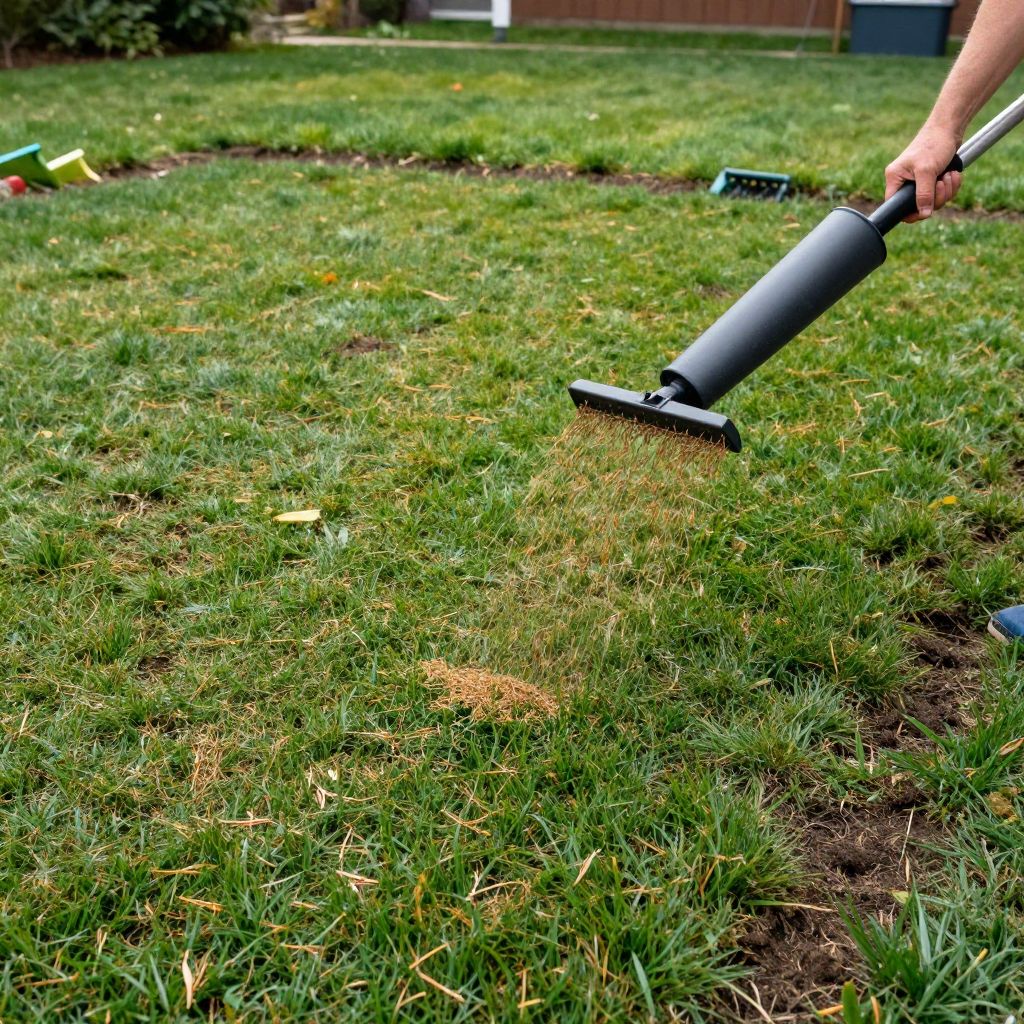
When is the best time to put grass seed down? The short answer is: when soil temperatures, moisture, and weather are favorable for quick germination and steady growth. For most cool-season lawns, that usually means late summer to early fall. For warm-season lawns, late spring to early summer is often better.
The exact timing depends on your grass type and local climate. If you seed at the wrong time, seedlings may dry out, compete poorly with weeds, or fail to establish before heat or cold arrives.
When is the best time to put grass seed down?
The best time to put grass seed down is usually when the grass can germinate quickly and grow roots before stress hits. In general, cool-season grasses do best in late summer to early fall, while warm-season grasses do best in late spring to early summer. Local weather matters more than the calendar alone.
Why timing matters so much
Grass seed needs consistent moisture, suitable soil temperatures, and enough time to establish before extreme weather. If you seed too early in cold soil, germination is slow and patchy. If you seed too late, young grass may struggle in heat, drought, frost, or heavy weed pressure.
Good timing also improves your chances of success with less watering and fewer repairs later. A well-timed seeding often develops stronger roots and a thicker lawn faster than seed sown during a stressful season.
What happens if you seed at the wrong time?
- Cold soil slows germination and increases the chance of rot or washout.
- Hot, dry weather can dry out seedlings before roots develop.
- Heavy weed competition can crowd out new grass.
- Early frost can damage tender seedlings that are not established.
Best season by grass type
Cool-season grasses
Cool-season grasses such as Kentucky bluegrass, perennial ryegrass, fine fescues, and tall fescue generally establish best in late summer to early fall. Soil is still warm enough for germination, but cooler air reduces stress and weed pressure.
Spring seeding can work too, especially if you missed fall, but young grass often faces more competition from weeds and more heat later in the season. If you seed in spring, be prepared for closer watering and more careful weed management.
Warm-season grasses
Warm-season grasses such as bermudagrass, zoysia, centipedegrass, and St. Augustinegrass usually do best when seeded or established in late spring through early summer. These grasses need warm soil and warm air to grow strongly.
Seeding too early in cool weather can delay germination and leave the lawn vulnerable. In cooler regions, warm-season lawns may be better started from sod, plugs, or sprigs rather than seed, depending on the grass type.
How to judge the right time in your yard
Instead of relying only on a date, check your local conditions. The right time to seed is when your lawn can support steady germination and root growth for several weeks afterward.
- Check soil temperature. Cool-season grass seed often germinates well when soil is in the mild-to-warm range, while warm-season grasses need warmer soil.
- Look at night temperatures. Cool-season seed usually performs well when nights are cooling off; warm-season seed prefers consistently warm nights.
- Watch the forecast. Aim for a stretch of moderate weather, not a heat wave, drought, or early cold snap.
- Consider weed pressure. Seeding when weeds are less aggressive gives grass a better chance to fill in.
- Think about irrigation. If you cannot keep the seedbed evenly moist, wait until you can.
Regional climate matters
Gardeners in northern areas often favor fall seeding for cool-season lawns because summer stress is ending. In southern areas, warm-season lawns are usually seeded later, once the soil is reliably warm. If you live in a transition zone, timing can be trickier, so local extension guidance or nearby lawn conditions can help you narrow the window.
Preparing the lawn before seeding
Even the best timing will not help much if the seedbed is poor. Grass seed needs good seed-to-soil contact, loose surface soil, and even moisture.
Basic prep steps
- Clear the area. Remove debris, dead grass, and large weeds.
- Loosen the top layer. Rake or lightly cultivate the soil so seed can settle in.
- Improve poor soil if needed. Add a thin layer of compost to help with structure and moisture retention.
- Level low spots. Seed can wash into dips and dry out on high spots.
- Test drainage. If water pools for hours, fix drainage before seeding.
If your soil is compacted, seed may sprout but struggle to root deeply. Aeration can help established lawns, while new lawns may need more thorough soil preparation before sowing.
Should you add compost?
A light layer of finished compost can improve seedbed quality, especially in sandy or depleted soil. Keep it thin enough that seed can still reach the soil surface. Too much organic matter on top can smother seed or create uneven germination.
How to seed grass successfully
Once timing is right, careful sowing makes a big difference. A rushed job often leads to thin patches and uneven growth.
- Choose the right seed. Match the grass type to your climate, sun exposure, and lawn use.
- Measure the area. Follow the seed label for coverage so you do not overseed or leave gaps.
- Spread evenly. Use a broadcast or drop spreader for larger areas; hand-seed only small patches.
- Rake lightly. Work seed into the top surface so it is covered very lightly, not buried deeply.
- Press seed into soil. A lawn roller or even gentle foot traffic can improve contact on small areas.
- Mulch lightly if needed. Straw or another light cover can help retain moisture, but do not pile it on.
Do not bury grass seed deeply. Most lawn seed germinates best near the surface, where it can receive light, air, and moisture. Deep planting is a common reason for poor emergence.
Watering after seeding
New seed needs consistent moisture, but not soggy soil. The goal is to keep the top layer damp until germination, then gradually encourage deeper root growth.
Watering tips that work
- Water lightly and often at first if the surface dries quickly.
- Keep the seedbed evenly moist, not muddy.
- Reduce frequency after seedlings emerge, but water more deeply as roots develop.
- Avoid heavy runoff that can move seed into piles or low spots.
Wind, slope, sun exposure, and soil type all affect how often you need to water. Sandy soil dries faster than clay, and sunny slopes dry faster than shaded areas.
Common mistakes to avoid
Most seeding problems come from timing, moisture, or soil preparation. Avoid these common errors to give your lawn the best start.
- Seeding too early in spring before soil warms enough.
- Seeding during extreme heat when seedlings dry out quickly.
- Ignoring weed pressure and letting weeds outcompete young grass.
- Using too much seed and creating crowded, weak seedlings.
- Letting the surface dry out for long periods after sowing.
- Applying herbicides too soon without checking whether they are safe for new grass.
Troubleshooting poor germination
If your seed is not sprouting well, the problem is often easy to trace. Check the seedbed before assuming the seed was bad.
Patchy or slow emergence
Patchy growth can be caused by uneven spreading, dry spots, poor seed-to-soil contact, or compacted soil. Rake lightly, re-seed thin areas, and keep moisture consistent.
Seed washed away
If heavy rain moved the seed, reseed the bare spots after the soil settles. On slopes, use a light mulch or erosion control blanket to help hold seed in place.
Seedlings turn yellow or thin out
This can happen from overwatering, poor drainage, nutrient deficiency, or mowing too soon. Make sure the soil is moist but not saturated, and wait until the grass is tall enough before the first cut.
Weeds overtake the new grass
Weeds are often a sign that the lawn was seeded at a poor time or the soil was left bare too long. Thick, healthy grass is the best long-term weed prevention, but you may need to hand-pull weeds until the lawn fills in.
Aftercare for new grass
Newly seeded lawns need gentle care. The first few weeks are about helping roots establish, not pushing fast top growth.
- Delay heavy foot traffic until the grass is well rooted.
- Mow only when the grass reaches the recommended height for its type.
- Use a sharp mower blade to avoid pulling seedlings.
- Hold off on aggressive weed control until the new lawn is established and the product is labeled safe for young grass.
If your lawn is thin after the first season, overseeding at the next best seasonal window can help thicken it. Many lawns improve over time with repeated, well-timed seeding rather than one perfect attempt.
Quick answer by season
- Cool-season lawns: best in late summer to early fall.
- Warm-season lawns: best in late spring to early summer.
- Spring seeding: possible for cool-season grass, but usually more challenging.
- Summer seeding: risky unless weather is mild and watering is reliable.
- Winter seeding: generally poor for most lawns unless your climate is very mild and the grass type is suited to it.
Conclusion
The best time to put grass seed down is when your grass type can germinate quickly and establish before stress arrives. For most lawns, that means fall for cool-season grasses and late spring to early summer for warm-season grasses. Match the timing to your local climate, prepare the soil well, and keep the seedbed evenly moist.
If you want to plan your lawn project more precisely, you may also find these guides helpful: when to plant grass and when is the best time to plant grass.