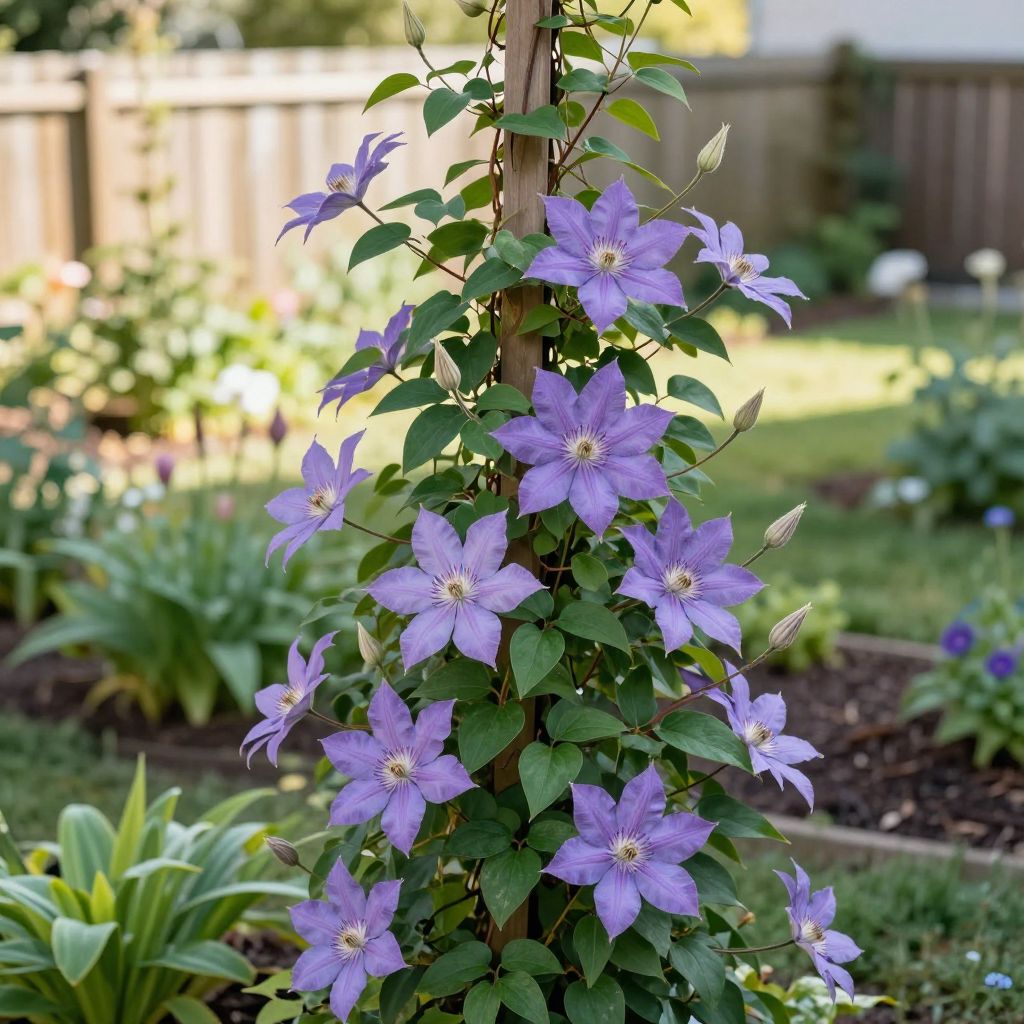
When does clematis bloom? The short answer is: it depends on the type you grow. Some clematis flower in early spring, others in late spring or summer, and a few bloom again later in the season. Knowing your plant’s pruning group and bloom time helps you avoid cutting off next year’s flowers.
If your clematis is not blooming when you expect, the issue is often pruning, too much shade, or a plant that is still establishing. With the right conditions, clematis can give you a long, showy flowering season in the garden.
When does clematis bloom?
Clematis bloom times vary by species and cultivar, but most fall into one of three broad groups: spring bloomers, summer bloomers, or repeat bloomers. Early-flowering types may open in late winter to spring, while large-flowered hybrids often bloom in late spring or early summer, and some rebloom again later if conditions are right.
Understanding clematis bloom groups
The easiest way to predict flowering is to identify the clematis pruning group, because bloom time and pruning are closely linked. If you know the group, you can usually tell whether the plant flowers on old wood, new wood, or both.
Group 1: Early bloomers on old wood
These clematis usually flower in early spring, often on stems formed the previous year. Because they bloom on old wood, heavy pruning can remove the buds that would have opened.
- Typical bloom window: early spring
- Pruning style: light cleanup only, after flowering if needed
- Common mistake: cutting back hard in late winter
Group 2: Large-flowered types with a main spring flush
These are among the most familiar garden clematis. They often bloom in late spring to early summer, and many produce a second, lighter flush later in the season.
- Typical bloom window: late spring to early summer, sometimes again in late summer
- Pruning style: moderate pruning in late winter or early spring
- Common mistake: pruning at the wrong time and losing the first flush
Group 3: Late bloomers on new wood
These clematis bloom later in summer and often into early fall. They flower on the current season’s growth, so they can be pruned more heavily without sacrificing the season’s display.
- Typical bloom window: mid- to late summer, sometimes into fall
- Pruning style: hard pruning in late winter or early spring
- Common mistake: leaving old stems uncut and getting weak, tangled growth
Why your clematis may bloom at a different time
Even within the same group, bloom time can shift a little depending on climate, weather, and plant maturity. A clematis in a cool spring may flower later than one in a warm region, and a newly planted vine may need a season or two before it settles into regular blooming.
Climate and seasonal weather
Cool springs delay flowering, while hot weather can shorten the bloom period. In mild climates, some clematis may begin earlier and continue longer than they would in colder regions.
Plant age and establishment
Young clematis often spend their first year or two building roots before they flower heavily. If yours is newly planted, modest blooming is normal.
Pruning timing
Pruning at the wrong time is one of the most common reasons clematis fail to bloom. If you cut back an early-flowering type in late winter, you may remove the buds already formed on old stems.
Light levels
Clematis generally bloom best with at least 6 hours of sun in many gardens, though some types tolerate partial shade better than others. Too much shade often leads to leafy growth with few flowers.
How to encourage better clematis flowering
Once you know when your clematis should bloom, focus on the growing conditions that support strong flowering. Good light, consistent moisture, and proper pruning usually matter more than feeding heavily.
- Give the roots cool shade and the top growth sun. A mulch layer, low groundcover, or nearby plants can help keep roots cooler.
- Plant in well-drained soil. Clematis dislike waterlogged roots, which can weaken growth and reduce flowering.
- Water deeply during dry spells. Keep soil evenly moist, especially while the plant is establishing and during bud formation.
- Feed lightly in spring. Use compost or a balanced slow-release fertilizer if your soil is poor, but avoid excess nitrogen, which can push leafy growth over flowers.
- Prune according to the group. This protects flower buds and keeps the vine productive.
Soil and compost
Clematis prefer fertile, moisture-retentive soil that still drains well. Mixing in compost at planting time can improve soil structure and support steady growth without making the soil soggy.
Mulch and moisture
A 2- to 3-inch layer of mulch helps conserve moisture and keep roots cooler. Keep mulch a little away from the main stem to reduce rot problems.
Pruning clematis without losing flowers
If you want reliable blooms, pruning is one of the most important tasks to get right. The best approach depends on when your clematis flowers, not just on how large it has become.
Simple pruning guide
- Early bloomers: prune only after flowering, and only to remove dead, damaged, or tangled stems.
- Spring bloomers with repeat flowers: prune lightly in late winter or early spring, removing weak stems and trimming to shape.
- Late bloomers: cut back hard in late winter or early spring to encourage fresh flowering stems.
If you are unsure which group your clematis belongs to, watch when it flowers for one season before making major cuts. A cautious approach is better than removing the stems that carry next year’s buds.
Common reasons clematis do not bloom
When a clematis grows well but refuses to flower, the cause is usually environmental or cultural rather than a major disease. Start with the most common issues before assuming the plant is failing.
- Too much shade: the vine grows, but flower production stays low.
- Incorrect pruning: buds are removed before they open.
- Too much nitrogen: lush leaves, fewer flowers.
- Drought stress: buds may form but drop before opening.
- Recent transplanting: the plant is still settling in.
- Poor drainage: roots struggle, and flowering declines.
Troubleshooting checklist
- Check how many hours of sun the plant gets.
- Review when and how you pruned it.
- Look for dry soil, compacted soil, or standing water.
- Inspect for pests or disease on stems and leaves.
- Give newly planted vines time to establish before expecting heavy bloom.
Pests and diseases that can affect blooming
Clematis are generally manageable plants, but stress from pests or disease can reduce flowering. Healthy foliage helps the vine store energy for buds and blooms.
Watch for these problems
- Slugs and snails: can damage tender shoots, especially in damp weather.
- Aphids: may cluster on new growth and distort buds.
- Clematis wilt: sudden stem collapse can happen on some plants, especially after damage or stress.
- Powdery mildew: more common in crowded, poorly ventilated spots.
Prompt cleanup, better airflow, and careful watering at the base of the plant can reduce many of these issues. Avoid overhead watering if possible, especially in the evening.
Growing clematis for a longer bloom season
You can extend the overall flowering display by choosing more than one clematis type. A spring bloomer and a late-summer bloomer planted together can give you flowers across much of the growing season.
Good planting strategy
- Combine an early-flowering clematis with a later one on a trellis or fence.
- Train vines onto supports early so stems get good light and air circulation.
- Keep neighboring shrubs from shading the vine too heavily.
- Refresh mulch and compost each season if soil fertility is low.
If you are planting a new clematis, choose a site with sun on the vine and cooler, shaded roots. That simple balance often leads to stronger growth and more dependable blooming.
What to do if your clematis is blooming at the wrong time
If your clematis flowers earlier or later than expected, first identify the plant and observe its pattern for a full season. Some variation is normal, especially with weather changes and different cultivars. If bloom time seems consistently off, pruning or light levels are usually the first things to adjust.
For more related guidance, you may also want to read about whether clematis are perennials and compare bloom timing with other garden plants like when lavender blooms.
To get the best flowers, match your pruning to the bloom group, give the plant enough sun, and avoid overfeeding with nitrogen. Once you understand when does clematis bloom in your garden, you can plan pruning and care around that timing and enjoy a much better display.