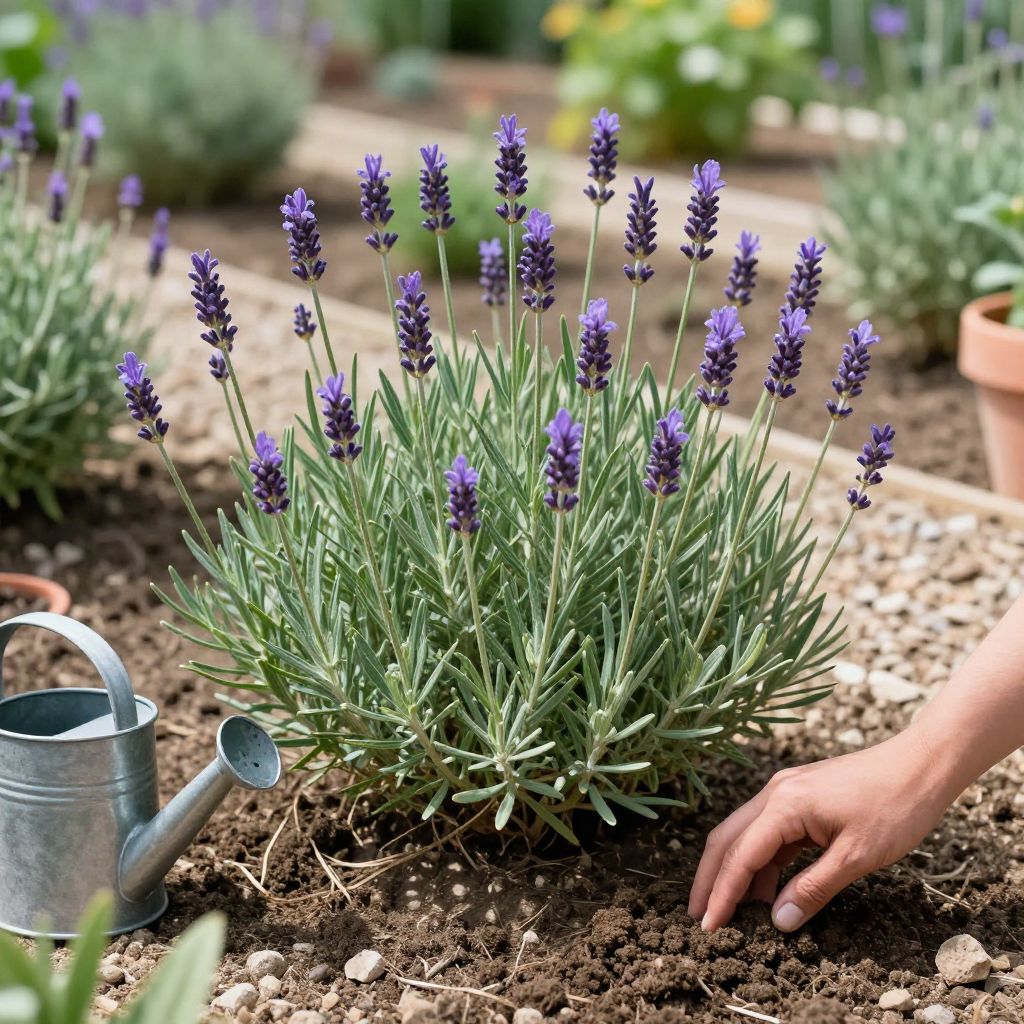
Does lavender need a lot of water? Usually, no. Lavender is a drought-tolerant herb that prefers lean, well-drained soil and infrequent watering once established. In fact, too much water is one of the fastest ways to weaken or kill it.
The key is to water deeply but only when the soil has dried out enough. How often that means in your garden depends on climate, soil type, pot size, and whether the plant is newly planted or already established.
Does lavender need a lot of water?
No. Lavender grows best with low to moderate water, not frequent soaking. Established plants in the ground usually only need water during dry spells, while young plants and container-grown lavender need closer attention until their roots are settled.
How much water lavender actually needs
Lavender is adapted to dry, sunny conditions with fast-draining soil. Its roots dislike sitting in moisture, so the goal is to keep the root zone lightly moist while the plant is getting established, then allow it to dry between waterings.
Newly planted lavender
Freshly planted lavender needs more regular watering for the first growing season, especially in warm or windy weather. Water deeply after planting, then check the soil every few days and water again only when the top inch or two feels dry.
Established lavender in the ground
Once established, most garden lavender can handle long dry periods. In many climates, rainfall is enough except during extended drought, and even then a deep soak is better than frequent shallow watering.
Lavender in pots
Container lavender dries out faster than garden lavender, so it usually needs more frequent checks. Still, the pot should dry partially between waterings, and it must have drainage holes so excess water can escape.
Signs you are watering lavender too much
Overwatering is more common than underwatering with lavender. If you are wondering whether your plant is getting too much moisture, look for these warning signs:
- Yellowing or pale leaves, especially near the base
- Soft, drooping growth even when the soil is wet
- Root rot or a sour smell from the soil
- Slow growth and weak stems
- Fewer flowers and a generally tired appearance
Important: Lavender that looks wilted is not always thirsty. If the soil is already damp, watering more can make the problem worse.
How to water lavender the right way
The best watering method is simple: water deeply, then wait. This encourages roots to grow downward and makes the plant more resilient to heat and drought.
- Check the soil first. Push a finger 1 to 2 inches into the soil near the plant.
- If the soil feels dry at that depth, water thoroughly.
- Water at the base of the plant, not over the foliage.
- Let excess water drain away completely.
- Do not water again until the soil has dried out again.
For potted lavender, water until you see moisture coming out of the drainage holes, then empty any saucer underneath so the roots do not sit in water.
Soil and drainage matter more than watering frequency
If lavender is planted in heavy, wet soil, even careful watering may not save it. Lavender needs soil that drains quickly, because soggy roots are far more damaging than brief dryness.
Best soil conditions for lavender
- Loose, gritty, or sandy soil
- Good drainage
- Moderately fertile or even lean soil
- Neutral to slightly alkaline conditions in many gardens
If your soil is clay-heavy, improve drainage before planting by raising the bed, adding grit where appropriate, or choosing a container. Avoid overloading the planting hole with rich compost, which can hold too much moisture around the roots.
Should you add compost?
A little compost can help poor soil, but lavender does not need rich, moisture-retentive soil. Use compost sparingly, and never create a planting pocket that stays wetter than the surrounding ground.
Sunlight and airflow reduce watering problems
Lavender uses less water and stays healthier in full sun. Strong sunlight and good airflow help the soil dry at the right pace and reduce the risk of fungal issues.
Choose a site with at least 6 hours of direct sun daily, and avoid crowded, shaded corners where moisture lingers after rain or irrigation. In humid climates, spacing matters even more because damp air can make lavender more prone to rot and leaf problems.
Seasonal watering tips for lavender
Lavender’s water needs change through the year, so it helps to adjust your routine rather than follow a fixed schedule.
Spring
Water young plants as they start active growth, especially if spring is dry. Established plants may need little or no extra water if rainfall is regular.
Summer
In hot weather, check soil more often, especially for pots and newly planted lavender. Water deeply during prolonged dry spells, but do not keep the soil constantly moist.
Fall
Reduce watering as growth slows. In many climates, autumn rain is enough for established plants.
Winter
Outdoor lavender usually needs very little water in winter, especially in cool climates. Wet winter soil is risky, so avoid watering unless the plant is in a container or conditions are unusually dry.
Common watering mistakes to avoid
- Watering on a schedule without checking the soil
- Using heavy mulch that traps too much moisture around the crown
- Planting in low spots where water collects
- Letting pots sit in saucers of water
- Overfertilizing, which can push soft growth that needs more water and is less resilient
- Spraying the foliage instead of watering at the base
Lavender is one of those plants that often does better with a little neglect than with too much care. When in doubt, err on the dry side rather than the wet side.
How to tell whether lavender is thirsty or stressed
Dry soil, curling leaves, and a slightly dull look can mean the plant needs water. But if the soil is already moist and the plant still looks weak, the issue may be root damage, poor drainage, or too much shade rather than drought.
If you are unsure, check the root zone and the planting site before watering again. Healthy lavender should have firm stems, silvery-green foliage, and strong flowering growth when conditions are right.
Practical care tips to keep lavender healthy
- Plant in full sun and well-drained soil
- Water deeply but infrequently
- Keep mulch light or use gravel mulch where appropriate
- Trim lightly after flowering to keep plants compact
- Remove dead or damaged stems to improve airflow
Light pruning helps lavender stay shapely and reduces the chance of dense, moisture-trapping growth. Avoid cutting into old woody stems too hard, since that can slow recovery.
Can you overwater lavender in a container?
Yes, very easily. Pots dry out faster than garden beds, but they also trap water if drainage is poor. Use a container with drainage holes, a free-draining potting mix, and a pot size that matches the plant rather than one that stays oversized and wet for too long.
If your potted lavender is struggling, move it to brighter light, check for blocked drainage holes, and let the mix dry more between waterings. In many cases, that alone can make a big difference.
Conclusion
So, does lavender need a lot of water? No—lavender prefers a dry-to-moderately moist root zone, especially once established. The best approach is to water deeply only when the soil has dried and to make sure drainage is excellent. If you want more planting ideas, you may also find what to plant with lavender useful for building a dry-loving garden border.