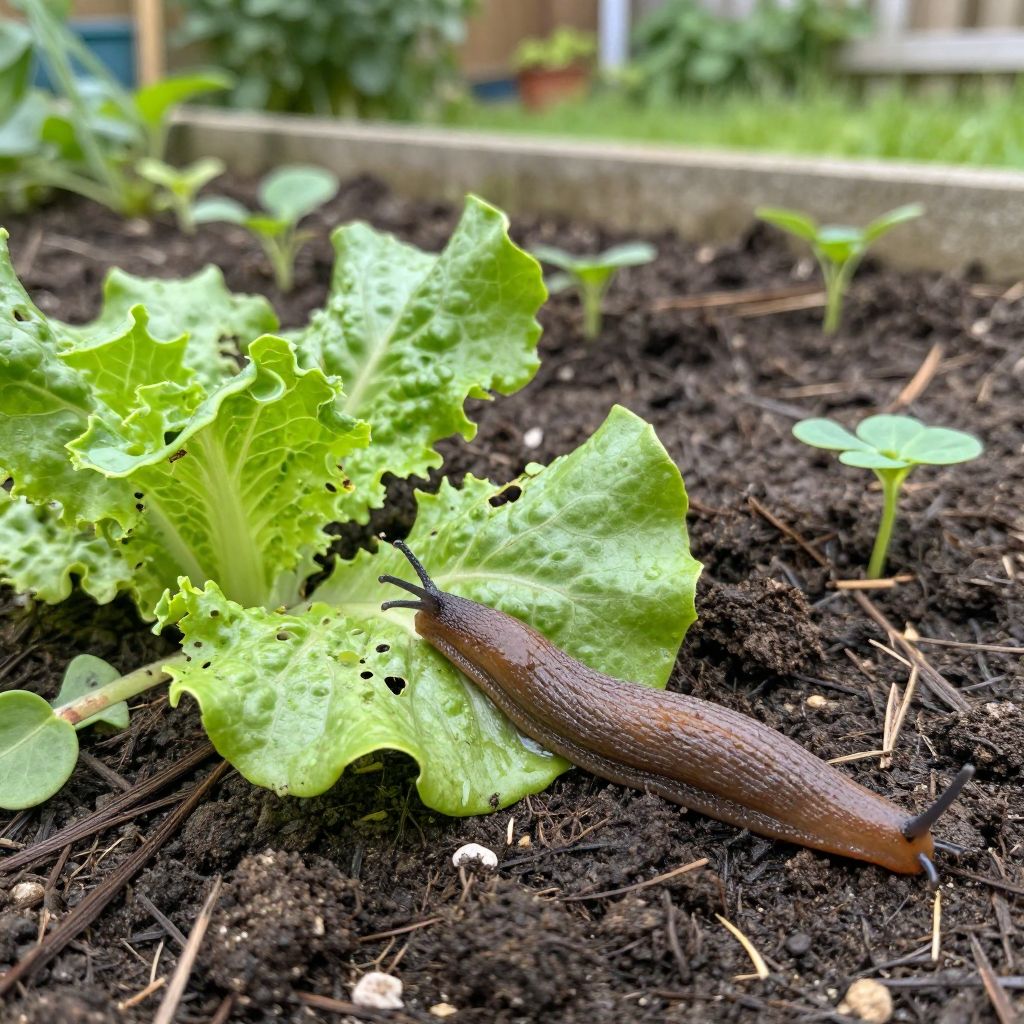
Are slugs good for the garden? Sometimes, yes—but only in a limited, ecological sense. Slugs help break down dead plant material and recycle nutrients in soil and compost, but they can also chew holes in leaves, seedlings, and soft fruit. In most home gardens, they’re more useful as decomposers than as “beneficial” garden residents.
The key is learning when slugs are part of a healthy garden ecosystem and when they’ve become a pest. If you understand what attracts them, you can protect vulnerable plants without stripping your garden of its natural cleanup crew.
Are slugs good for the garden?
Slugs can be helpful because they feed on decaying leaves, fungi, and other organic matter, supporting decomposition and soil life. But they are also major plant pests when populations are high, especially around seedlings, tender greens, strawberries, and hostas. In most gardens, the goal is management, not eradication.
What slugs actually do in the garden
Slugs are soft-bodied mollusks that thrive in damp, sheltered places. They are most active at night, during cloudy weather, and after rain or irrigation.
Benefits of slugs
- They help decompose organic matter such as fallen leaves and dying plant tissue.
- They contribute to nutrient cycling by turning dead material into smaller particles that soil organisms can process.
- They can be part of the food web for birds, beetles, frogs, toads, and other wildlife.
Problems caused by slugs
- They leave irregular holes in leaves, especially on tender crops.
- They can destroy newly transplanted seedlings overnight.
- They damage low-growing fruit and vegetables resting on soil or mulch.
- They leave shiny slime trails and messy feeding damage that can invite secondary rot on soft plant tissue.
When slugs are useful versus when they are a problem
A few slugs in a compost pile or under leaf litter are usually not a concern. A large slug population in beds, containers, or vegetable rows is different, especially if you see fresh damage on young plants.
Generally helpful places
- Compost heaps with plenty of brown material
- Leaf litter in wildlife-friendly corners
- Mulched areas where dead plant debris is being broken down
Places where slugs are usually a problem
- Seed trays and newly sown beds
- Salad crops, brassicas, beans, and strawberries
- Containers sitting on damp patios or in shade
- Dense groundcover where moisture stays trapped at soil level
Why slugs appear in the first place
Slugs are drawn to moisture, shelter, and food. If your garden offers cool hiding spots and plenty of tender growth, they will stay active.
Common slug-friendly conditions
- Heavy shade with slow-drying soil
- Overwatering or poor drainage
- Thick mulch pressed against stems
- Dense weeds, boards, pots, stones, or debris that provide hiding places
- Soft new growth, especially after rain or irrigation
If your garden is very dry, sunny, and open, slug pressure is usually lower. In wetter climates or shaded gardens, you may need a more active management plan.
How to protect plants without harming the garden ecosystem
The best approach is to reduce slug pressure while keeping the soil healthy. Start with cultural controls, then add physical barriers or targeted trapping if needed.
1. Water wisely
Water in the morning so the soil surface can dry before nightfall. Slugs are most active in damp evening conditions, so avoiding late-day watering can make a noticeable difference.
Focus water at the base of plants rather than wetting foliage. Drip irrigation and soaker hoses are often better than overhead watering for slug-prone beds.
2. Clear hiding places near vulnerable plants
Remove boards, overturned pots, thick piles of weeds, and other damp shelters close to seedlings and salad crops. Keep the area around young plants tidy so slugs have fewer places to hide during the day.
3. Thin and lift mulch where needed
Mulch is useful, but very thick, constantly damp mulch can shelter slugs. Keep mulch a little back from plant stems and avoid burying delicate seedlings in heavy layers.
In slug-heavy beds, use coarser mulch or let the top of the soil dry slightly between waterings. Don’t remove all mulch everywhere; just adjust it where tender plants are most at risk.
4. Hand-pick at the right time
Check plants at dusk, after rain, or early in the morning. Wear gloves and inspect the undersides of leaves, the base of stems, and nearby hiding spots.
- Look for fresh chewing damage and slime trails.
- Lift nearby pots, stones, or boards.
- Remove slugs by hand and place them where they won’t return to the bed.
- Repeat several nights in a row if pressure is high.
5. Use barriers for high-value plants
Physical barriers can help protect seedlings and prized plants. Copper tape around containers, fine mesh covers, and collars around individual plants can reduce access when installed correctly.
Barriers work best when they are clean, continuous, and kept dry. A broken or dirty barrier is much less effective.
6. Trap and monitor, don’t just guess
You can use simple traps to check slug activity. A flat board, piece of damp cardboard, or inverted pot can attract slugs overnight. Check and clear it in the morning.
Traps are most useful for monitoring and reducing numbers around a specific bed. They are not a complete solution on their own.
What not to do
Some common slug-control mistakes can make the problem worse or harm beneficial wildlife.
- Don’t leave beer traps or bait stations unmanaged, as they can attract more slugs than they catch and may create mess.
- Don’t overuse broad-spectrum pesticides, which can disrupt soil life and harm non-target animals.
- Don’t keep the soil constantly wet just because seedlings are small; moisture management matters.
- Don’t assume every hole in a leaf is from slugs. Caterpillars, beetles, and earwigs can cause similar damage.
How to tell if slugs are the culprit
Slug damage often looks ragged rather than cleanly cut. You may see irregular holes, missing leaf edges, and silvery slime trails on leaves, pots, or soil.
Signs that point to slugs
- Damage appears overnight
- Seedlings are cut down or badly shredded
- Shiny trails are visible in the morning
- Damage is worst after wet weather
Signs that may point to something else
- Clean, neat cuts on leaves may suggest other insects or wildlife
- Chewed stems with no slime trails may involve different pests
- Scattered damage high on the plant may not be slug-related
Do slugs belong in compost?
Yes, some slugs in compost are normal. Compost piles are rich in moisture and decaying material, which makes them attractive to decomposers.
That said, if your compost is full of slugs and they are spilling into nearby beds, the pile may be too wet or too open. Add more dry brown material such as shredded leaves, cardboard, or straw, and turn the pile if your composting method allows it.
Compost tips to discourage excess slugs
- Balance wet green material with dry brown material
- Keep the pile covered but not sealed airtight
- Avoid leaving soft kitchen scraps exposed on the surface
- Place the pile where it gets some sun and airflow if possible
Seasonal slug pressure: when to be most alert
Slug activity usually rises in cool, damp periods and drops during hot, dry weather. In many gardens, spring and autumn are the toughest times for slug damage.
After rain, during mild spells, and in shaded beds, check vulnerable plants more often. Newly planted seedlings are especially at risk because they are tender and close to the soil surface.
Best plants to protect first
If you have limited time, focus on the plants slugs damage most readily.
- Lettuce and other salad greens
- Beans and peas at seedling stage
- Brassicas such as cabbage, kale, and broccoli
- Hostas and other soft-leaved ornamentals
- Strawberries and low fruit touching damp soil
- New transplants of almost any kind
A practical slug-management routine
A simple routine works better than occasional panic control. Combine observation, habitat cleanup, and protection for the plants that matter most.
- Inspect beds after rain or in the early morning.
- Remove debris and hiding places near seedlings.
- Water early in the day and at soil level.
- Use barriers or covers on high-value plants.
- Hand-pick slugs when you find them.
- Adjust mulch and drainage if the area stays wet.
Conclusion: keep the decomposers, defend the seedlings
So, are slugs good for the garden? In small numbers, they can help break down organic matter and support the soil food web. But when they start feeding on tender plants, they need management. The best move is to make your garden less inviting to slugs while protecting the plants most at risk.
If you want to go further, read more about how to identify common garden pests and improving soil drainage in wet garden beds so you can reduce slug problems from the ground up.