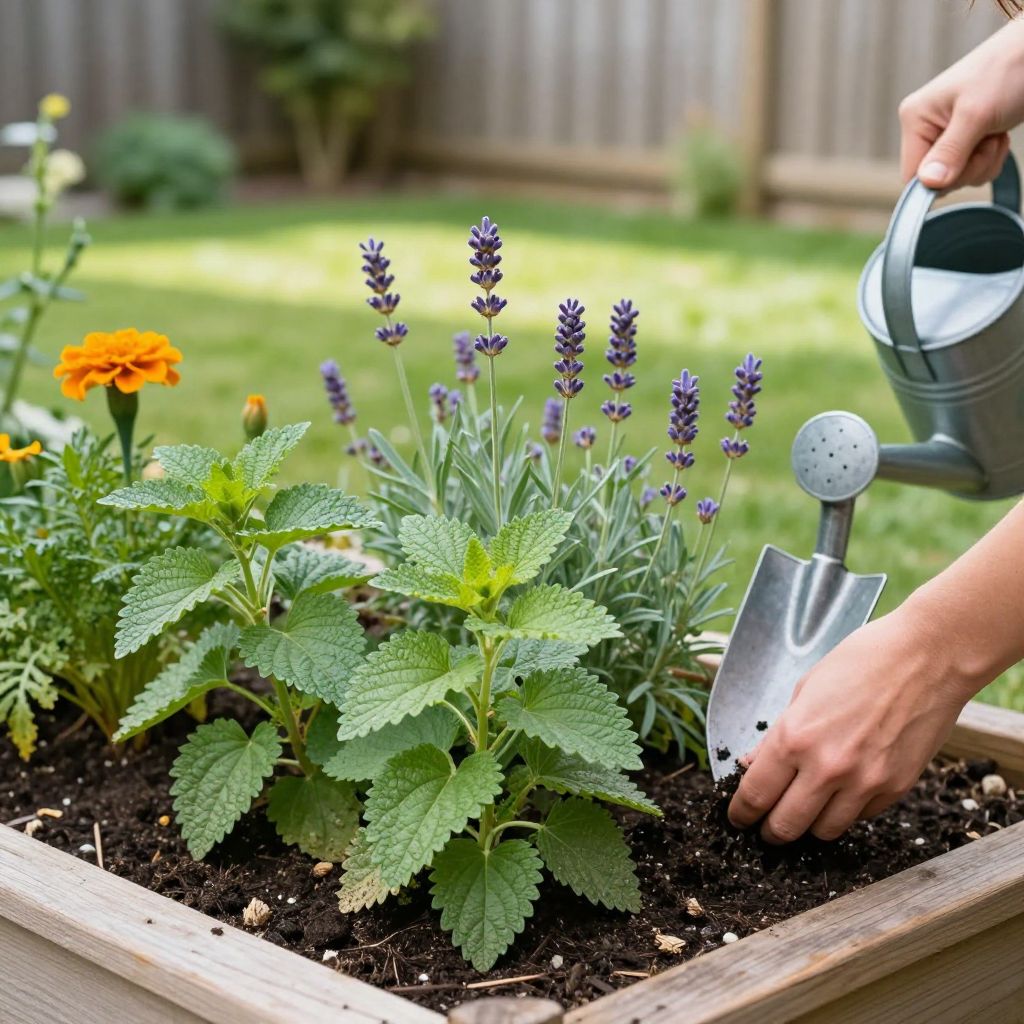
Wondering what plants repel mosquitoes and whether they can really help around your yard or patio? The short answer is yes, but with an important caveat: mosquito-repelling plants work best as part of a larger strategy, not as a stand-alone solution.
If you choose the right plants, place them where you actually brush against the foliage, and keep your space free of standing water, you can make outdoor areas less inviting to mosquitoes while adding fragrance and color to the garden.
What plants repel mosquitoes?
Plants often associated with mosquito control include citronella grass (Cymbopogon nardus or related species), lemon balm (Melissa officinalis), lavender (Lavandula spp.), marigolds (Tagetes spp.), basil (Ocimum basilicum), catnip (Nepeta cataria), and rosemary (Salvia rosmarinus). Their scents may discourage mosquitoes nearby, especially when leaves are disturbed, but they do not create a mosquito-free zone.
How mosquito-repelling plants actually work
These plants release aromatic oils that can mask human scent or make the area less attractive to mosquitoes. The effect is usually strongest when you crush, brush, or prune the leaves, because that releases more fragrance than simply planting them in a bed.
That means placement matters. A pot of basil across the yard will do very little, while a rosemary plant beside a seating area may offer a modest benefit when you walk past it or trim it.
What they can and cannot do
- They can add scent, beauty, and a small deterrent effect near patios, doors, and seating areas.
- They cannot replace screens, drainage fixes, or insect repellent when mosquitoes are heavy.
- They work best when combined with source reduction, such as removing standing water.
Best plants to grow for mosquito deterrence
Citronella grass
Citronella grass is the classic choice, but it is often confused with scented geraniums sold as “citronella plants.” True citronella grass is a tall, clumping tropical grass that likes heat, sun, and well-drained soil. In cooler climates, it is usually grown in containers and brought indoors before frost.
Lavender
Lavender prefers full sun and excellent drainage. It is a strong choice for dry borders, raised beds, and containers where the soil does not stay wet. Its scent is pleasant to people and less appealing to many insects, including mosquitoes.
Lemon balm
Lemon balm is easy to grow and highly fragrant, but it spreads quickly. Use it in containers or contained beds if you want to prevent it from taking over. Pinching the foliage releases a lemony aroma that can help around outdoor sitting areas.
Basil
Basil grows well in warm weather and is useful both in the kitchen and near outdoor living spaces. It likes regular moisture, rich soil, and plenty of sun. Frequent harvesting keeps it bushy and increases leaf production.
Marigolds
Marigolds are popular annuals for sunny beds and containers. Their scent is often mentioned in mosquito discussions, though the effect is modest. They are still worth planting because they are easy, colorful, and helpful in mixed borders.
Rosemary
Rosemary is a woody herb that thrives in full sun and sharply drained soil. It is especially useful in warm, dry climates or in pots where you can move it to a protected spot in winter.
Catnip
Catnip can be vigorous and is best tucked into a contained area if you want to grow it. It is hardy in many climates and may be one of the more effective aromatic plants for discouraging mosquitoes near a garden edge.
How to plant mosquito-repelling plants for the best effect
For the strongest practical benefit, place these plants where people gather: beside a deck, near a doorway, along a path, or around a patio edge. The goal is to make the plants part of the space you use, not just decorative background plants.
- Choose a sunny location for most of these plants. Lavender, rosemary, basil, marigolds, and citronella grass all perform best in bright light.
- Check drainage. If water puddles after rain, improve the site with raised beds, containers, or compost-amended soil that drains well.
- Match the plant to your climate. Tender herbs and citronella grass may need containers in colder regions, while lavender and rosemary may overwinter outdoors only in milder areas.
- Plant close to where you sit. A scent effect is most noticeable within a few feet.
- Group plants in mixed containers or borders so you can brush the foliage as you move around the area.
Soil and compost basics
Most of these plants prefer a loose, well-drained planting mix. Work in compost for moderate fertility, but avoid making the soil too rich for Mediterranean herbs like lavender and rosemary, which can struggle in overly wet, heavy soil.
If you garden in clay soil, consider raised beds or containers. Good drainage is often more important than extra fertilizer when growing plants that are meant to stay healthy and aromatic.
Container growing tips for patios and small spaces
Containers are often the easiest way to use mosquito-repelling plants effectively. You can place them right beside seating areas, move them to follow the sun, and protect tender plants from cold weather.
Best container choices
- Lavender in a pot with a gritty, fast-draining mix
- Basil in a medium pot with regular moisture
- Citronella grass in a large container with room for roots
- Rosemary in a pot that dries slightly between waterings
- Lemon balm in its own pot to limit spreading
Use pots with drainage holes and empty saucers after watering so roots do not sit in water. In hot weather, containers dry faster than garden beds, so check them often.
Care guide for healthy, fragrant growth
Sunlight
Most mosquito-repelling plants need at least 6 hours of sun. Basil and marigolds tolerate a bit of light shade, but fragrance and flowering are usually better in brighter conditions.
Watering
Water based on the plant and the weather, not by a fixed calendar. Basil and lemon balm like more even moisture, while lavender and rosemary prefer the soil to dry slightly between waterings. Always check the top inch or two of soil first.
Pruning and harvesting
Regular trimming keeps many of these plants compact and productive. Pinch basil often, shear marigolds lightly to encourage more blooms, and harvest rosemary or lavender sparingly so plants stay bushy and healthy.
Frequent light pruning is better than letting plants become leggy. It also releases more scent when you handle the foliage.
Fertilizing
Use compost or a light balanced fertilizer only when needed. Too much nitrogen can produce soft, leafy growth with less fragrance, especially in herbs. In rich soil, many of these plants need little extra feeding.
Common mistakes to avoid
- Expecting one plant to solve the mosquito problem. No plant can do that alone.
- Planting in standing water. Mosquitoes breed in water, so poor drainage works against you.
- Overwatering Mediterranean herbs like lavender and rosemary.
- Letting lemon balm spread unchecked in open beds.
- Placing plants too far from people. The scent effect is local, not far-reaching.
- Ignoring shade and airflow. Crowded, damp spots can invite fungal problems.
Common pests and diseases
These plants are generally easy to grow, but they are not trouble-free. Aphids, whiteflies, spider mites, and fungal leaf spots can appear, especially on stressed container plants or in humid weather.
How to troubleshoot problems
- Yellowing leaves: often from overwatering, poor drainage, or low light.
- Leggy growth: usually from not enough sun or too little pruning.
- Powdery mildew: improve airflow, avoid wetting foliage late in the day, and remove affected leaves.
- Wilting in pots: check whether roots are too dry, too wet, or cramped.
If a plant looks weak, fix the growing conditions first. Healthy, vigorous plants produce more scent and are more useful in the garden than stressed ones.
How to use these plants in a mosquito-conscious landscape
Think of these plants as part of a layered defense. Combine them with practical garden habits that reduce mosquito habitat and make your outdoor space more comfortable.
- Empty birdbaths, saucers, buckets, and clogged gutters regularly.
- Keep grass and weeds trimmed near seating areas.
- Use fans on patios when possible, since moving air discourages mosquitoes.
- Plant fragrant herbs and flowers near doors, windows, and benches.
- Harvest or brush the foliage before spending time outside to release scent.
Choosing the right plant for your climate
Your local weather matters more than any general plant list. In hot, mild regions, rosemary, lavender, and citronella grass may thrive outdoors year-round. In colder climates, basil and citronella grass may be seasonal or container plants, while hardy herbs and annuals can fill the gap.
If you are unsure, start with one or two easy plants in pots. That lets you test sun exposure, watering needs, and how well the plants perform near the places you use most.
Conclusion
If you want to know what plants repel mosquitoes, the best answer is to choose aromatic plants such as lavender, basil, rosemary, lemon balm, marigolds, catnip, and citronella grass, then place them where you sit and walk. Pair them with good drainage and standing-water control for the best results. For more practical plant care ideas, you may also enjoy reading about container gardening for sunny patios and how to grow herbs in pots.