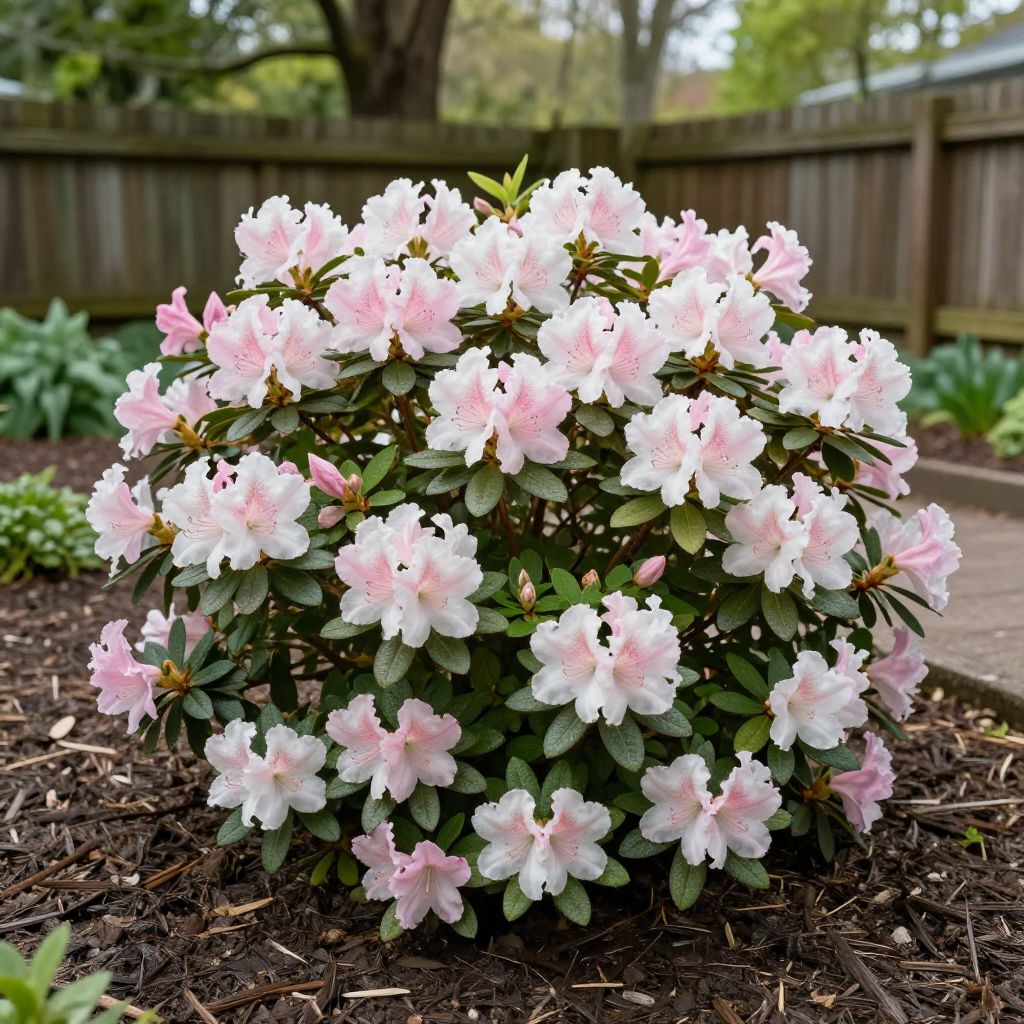
Wondering when do azaleas bloom in your garden? The short answer is that most azaleas bloom in spring, but the exact timing depends on the type of azalea, your climate, and local weather. Some varieties flower in early spring, others in mid- to late spring, and a few rebloom later in the season.
If your azalea isn’t flowering when you expect, the cause is often pruning at the wrong time, too much shade, poor soil, or winter damage. Understanding the bloom window helps you choose the right plant and care for it so you get the best display.
When do azaleas bloom?
Azaleas usually bloom in spring, with many garden varieties flowering from late winter in mild climates through late spring in cooler regions. Evergreen azaleas often bloom earlier than deciduous azaleas, and some reblooming types may flower again in summer or fall if conditions are favorable.
What affects azalea bloom time?
Bloom timing is not the same for every azalea. The main factors are plant type, local climate, sun exposure, and how the plant was cared for the previous year.
Azalea type
- Evergreen azaleas often bloom in spring and are common in home landscapes.
- Deciduous azaleas may bloom a little later, often in mid- to late spring.
- Reblooming azaleas can flower more than once, though the second flush is usually lighter.
Climate and weather
In warmer regions, azaleas may start blooming earlier, sometimes in late winter. In colder areas, buds open later because spring arrives later and frost can delay flowering.
A sudden cold snap can damage buds or shorten the bloom period. A warm spell followed by frost may cause flowers to open early and then get injured.
Sunlight and site conditions
Azaleas bloom best with morning sun and afternoon shade in many climates. Too much shade can reduce flowering, while harsh full sun can stress the plant and shorten bloom time, especially in hot regions.
How to tell if your azalea is on schedule
Healthy azaleas form flower buds in the previous growing season, so what you see in fall and winter often predicts spring bloom. If buds are plump and present on the stems, the plant is likely on track.
- Plump buds in fall or winter usually mean flowers are coming.
- Few or no buds may point to pruning at the wrong time, too much shade, or nutrient imbalance.
- Brown, shriveled buds can indicate cold injury or drought stress.
- Leaves but no flowers often means the plant is growing well vegetatively but not setting buds.
Best growing conditions for strong blooming
Azaleas bloom most reliably when they are planted in the right soil and given steady care. They are woodland shrubs, so they prefer acidic, well-drained soil with consistent moisture but never soggy roots.
Soil and drainage
Azaleas do best in loose, organic soil that drains well. Heavy clay can cause root stress and fewer flowers unless it is improved with organic matter and planted in a raised bed or mound.
- Work in compost or leaf mold to improve structure.
- Aim for soil that stays evenly moist, not wet.
- Avoid planting where water pools after rain.
Mulch
A 2- to 3-inch layer of pine bark, pine needles, or shredded leaves helps keep roots cool and moist. Keep mulch a few inches away from the trunk to prevent rot.
Watering
Azaleas need regular moisture, especially during bud formation, flowering, and dry spells. Inconsistent watering can reduce bloom quality and may cause buds to drop before opening.
Water deeply when the top inch of soil begins to dry, adjusting for rainfall, temperature, and soil type. Container-grown azaleas usually dry out faster than those in the ground.
Fertilizer
Too much fertilizer can produce lots of leafy growth and fewer flowers. Use a fertilizer made for acid-loving plants only if your soil test or plant growth suggests it is needed.
If your azalea looks healthy and blooms well, you may not need much feeding at all. In many gardens, compost and mulch are enough.
Pruning azaleas without losing next year’s flowers
One of the most common reasons azaleas fail to bloom is pruning at the wrong time. Azaleas set next year’s flower buds soon after they finish blooming, so late pruning can remove those buds.
When to prune
Prune azaleas right after flowering if shaping is needed. That gives the plant time to grow new shoots and form buds for the following season.
How to prune lightly
- Remove dead, damaged, or crossing branches first.
- Trim only a little at a time to keep the natural shape.
- Cut back overlong stems to a side branch or leaf node.
- Avoid hard pruning unless the shrub is overgrown and you are willing to sacrifice some bloom the following year.
Why azaleas sometimes bloom poorly or not at all
If your azalea is healthy but not flowering, the problem is usually environmental or timing-related rather than a disease. Start by checking the plant’s location and care routine from the previous season.
Common causes
- Pruned too late in the season
- Too much shade from trees or buildings
- Drought stress during bud formation
- Late frost that damaged buds
- Overfertilizing with high-nitrogen products
- Poor drainage or compacted soil
- Newly planted shrubs still settling in
What to do
Give the plant one season of good care before assuming it is failing. Improve light, maintain even moisture, mulch properly, and avoid heavy pruning. If the site is too shady, you may need to transplant the azalea to a brighter spot after bloom or choose a better location for a replacement.
Do azaleas bloom more than once?
Some azaleas do rebloom, but not all do. Reblooming varieties may flower again after the main spring bloom, usually with a smaller flush later in summer or fall if they are healthy and conditions are mild.
Even reblooming azaleas still rely on good spring care. If the plant is stressed, the second bloom may be sparse or absent.
How to care for azaleas before and after bloom
Good seasonal care helps the plant make strong buds for next year. The goal is steady growth without forcing too much leafy growth at the expense of flowers.
Before bloom
- Check soil moisture during dry weather.
- Keep mulch fresh but not piled against stems.
- Protect plants from late frost if a cold snap is forecast.
- Avoid pruning once buds are visible.
After bloom
- Deadhead lightly if desired, but do not remove healthy new shoots.
- Prune only if needed, and do it soon after flowering.
- Refresh mulch and water during dry spells.
- Feed only if your soil or plant needs it.
Container-grown azaleas
Potted azaleas often bloom on a similar seasonal schedule to garden plants, but they can be more sensitive to drying out and heat. Containers warm up and dry faster, which can shorten bloom time if you do not monitor them closely.
Use a pot with drainage holes, an acidic potting mix, and a location with bright light and afternoon protection in hot weather. Check moisture often, especially when buds are forming and flowers are open.
Pests and diseases that can affect flowering
Healthy foliage supports blooming, so pest or disease pressure can indirectly reduce flowers. Look for stress signs early rather than waiting until the plant fails to bloom.
Watch for these issues
- Lace bugs, which can cause speckled or pale leaves
- Spider mites in hot, dry conditions
- Bud blast, where buds brown and fail to open
- Root rot in poorly drained soil
- Leaf spot or other fungal problems during humid weather
If you see pests, identify them before treating. Many azalea problems improve with better watering, improved airflow, and removal of badly damaged growth. Severe or recurring issues may need a local extension recommendation or a product labeled for azaleas and the specific pest.
Simple troubleshooting checklist
If you are still asking when do azaleas bloom because yours is not flowering, use this quick check to narrow down the cause.
- Did you prune after bloom rather than before?
- Does the plant get enough light without harsh afternoon sun?
- Is the soil acidic, loose, and well drained?
- Has the plant been watered evenly during dry periods?
- Were buds damaged by frost or winter wind?
- Has the shrub been overfed with nitrogen?
Conclusion
Azaleas usually bloom in spring, but the exact timing depends on the type of plant and your local conditions. For the best display, give them acidic, well-drained soil, steady moisture, the right amount of light, and prune only right after flowering. If you want to improve next year’s bloom, start by checking bud formation now and adjusting care before the next season begins.
For more help with flowering shrubs, you may also want to read about growing azaleas successfully and how to prune flowering shrubs correctly.