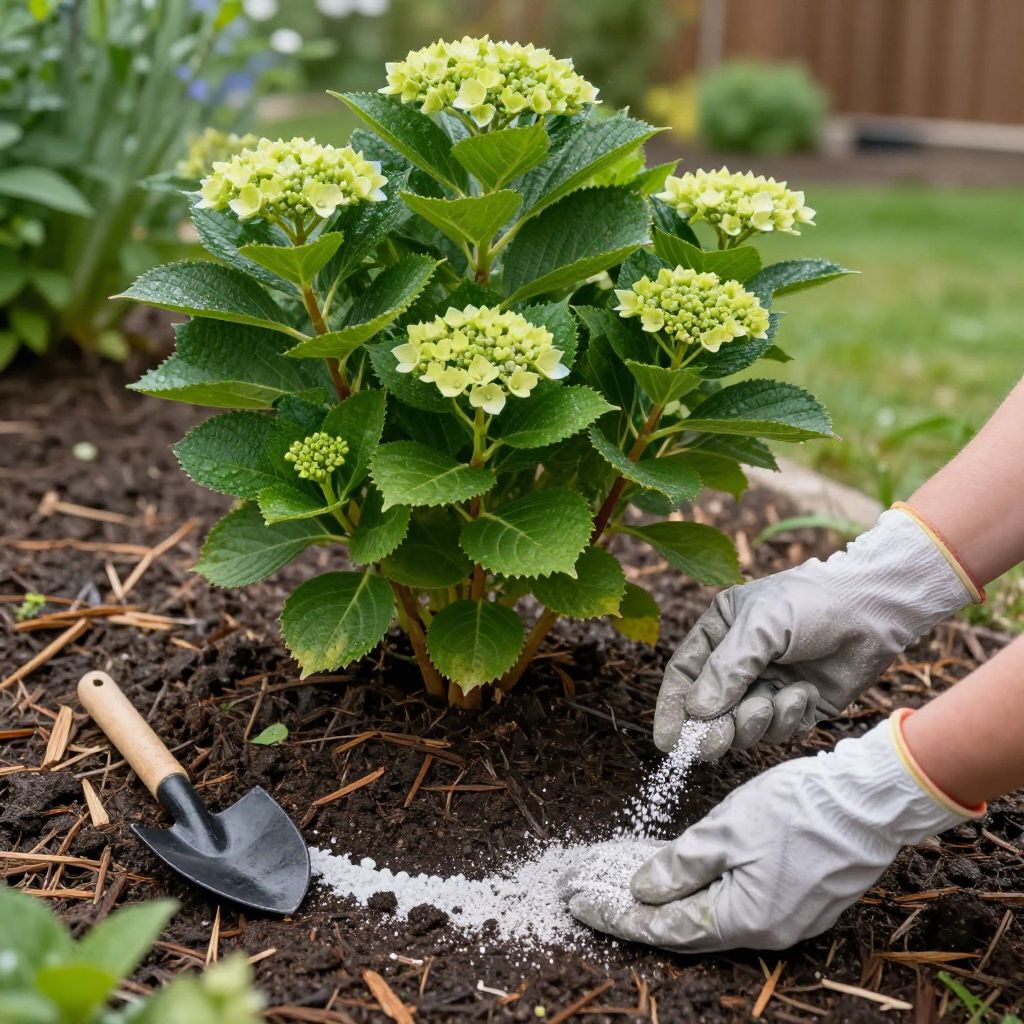
Wondering when to fertilize hydrangeas so you get healthy growth and better blooms without overfeeding them? Timing matters more than using a lot of fertilizer. Hydrangeas respond best to light, well-timed feeding that matches their growth cycle, soil quality, and whether they’re newly planted or established.
The right schedule depends on your climate, soil, and hydrangea type, but in most gardens the safest approach is to fertilize in early spring as growth starts, then stop by midsummer. Late feeding can push soft growth that is more vulnerable to cold and may reduce flowering the following season.
When to fertilize hydrangeas?
Fertilize hydrangeas in early spring when new growth begins, usually after the last hard frost and as buds start to swell. If needed, give a light second feeding in late spring or early summer. Avoid fertilizing in late summer or fall, because that can encourage tender growth that may be damaged by cold weather.
How hydrangeas use fertilizer through the season
Hydrangeas are not heavy feeders, but they do benefit from steady nutrition when they are actively growing. The goal is to support leafy growth, strong stems, and flower bud development without forcing lush, weak growth.
Early spring: the main feeding window
This is the best time to fertilize most hydrangeas. As soon as the plant starts to wake up and you see fresh buds or leaf growth, a balanced, slow-release fertilizer or a modest top-dressing of compost can help it get moving.
Late spring to early summer: optional follow-up
If your soil is poor, the plant looks pale, or growth is weak, a second light feeding may help. Keep it modest. Too much nitrogen at this stage can give you big leaves but fewer flowers.
Late summer and fall: usually skip fertilizer
By late summer, most hydrangeas should be shifting energy toward finishing their season, not making soft new growth. Fertilizing too late can delay hardening off before winter and may interfere with flower bud formation on some types.
Best fertilizer timing by hydrangea type
Different hydrangeas bloom on different wood, so timing matters. If you know your plant type, you can avoid feeding at the wrong stage and accidentally encouraging growth that won’t help flowering.
Bigleaf hydrangea (Hydrangea macrophylla) and mountain hydrangea (Hydrangea serrata)
These often bloom on old wood, meaning flower buds may form the previous season. Feed lightly in early spring only, and avoid late-season fertilizer that can push unnecessary growth after buds are set.
Panicle hydrangea (Hydrangea paniculata)
Panicle hydrangeas bloom on new wood, so they are a bit more forgiving. A spring feeding is still the best practice, and a small midsummer boost may be acceptable in poor soil if the plant is clearly undernourished.
Smooth hydrangea (Hydrangea arborescens)
These also bloom on new wood and generally respond well to spring feeding. Keep fertilizer moderate so the plant doesn’t become floppy or overly leafy.
Oakleaf hydrangea (Hydrangea quercifolia)
Oakleaf hydrangeas usually need less fertilizer than many gardeners expect. A light spring feeding is often enough, especially if the soil already contains organic matter.
How to tell if your hydrangea actually needs fertilizer
Not every hydrangea needs regular feeding. In many gardens, compost-rich soil and annual mulch provide enough nutrition. Fertilizer is most useful when the plant shows signs of stress or the soil is low in organic matter.
- Slow, weak growth in spring
- Pale green leaves, especially on older growth
- Few flowers despite adequate sunlight and proper pruning
- Very sandy or depleted soil
- Plants in containers, which lose nutrients faster
If your hydrangea is healthy, deep green, and blooming well, you may only need compost and mulch rather than a full fertilizer program.
Choosing the right fertilizer for hydrangeas
The best fertilizer is usually a balanced, slow-release product or a gentle organic option. Hydrangeas generally do well with moderate feeding rather than high-nitrogen formulas.
Good options
- Balanced granular fertilizer with even or near-even numbers
- Slow-release shrub and flower fertilizer
- Compost or well-rotted manure as a soil amendment
- Liquid feed for container-grown plants when they need a quick boost
What to avoid
- High-nitrogen lawn fertilizers
- Overfeeding with repeated applications
- Fertilizing dry roots without watering first
- Late-season feeding in cool climates
Too much nitrogen is one of the most common hydrangea mistakes. It can create lots of leaves and fewer flowers, especially on bigleaf types.
Step-by-step: how to fertilize hydrangeas safely
Whether you use granular fertilizer or compost, the process should be gentle and even. Hydrangea roots are shallow, so avoid digging deeply around the base of the plant.
- Water the plant first if the soil is dry.
- Clear away thick debris or old mulch from the crown area.
- Apply fertilizer around the drip line, not right against the stems.
- Work granular fertilizer lightly into the top layer of soil if the label allows.
- Water again to help nutrients move into the root zone.
- Refresh mulch afterward, keeping it a few inches away from the stems.
If you’re using compost, spread a thin layer, usually about 1 to 2 inches, over the root area and water it in. Compost is slower than fertilizer, but it improves soil structure and moisture retention over time.
Fertilizing newly planted versus established hydrangeas
New hydrangeas need a lighter touch than established shrubs. Their roots are still settling in, and too much fertilizer can stress them instead of helping them grow.
Newly planted hydrangeas
Wait until the plant shows active growth before feeding, and use only a light application if the soil was amended at planting time. In many cases, you can skip fertilizer for the first season and focus on even moisture and mulch.
Established hydrangeas
Older plants usually benefit most from a single spring feeding and occasional compost top-dressing. If they are growing well, don’t assume more fertilizer will mean more flowers.
Soil, sunlight, and watering all affect fertilizer timing
Fertilizer works best when the plant already has good growing conditions. If the soil is compacted, the site is too shady, or watering is inconsistent, feeding alone will not solve the problem.
Soil
Hydrangeas prefer rich, moisture-retentive soil that drains well. Heavy clay can hold too much water, while very sandy soil may leach nutrients quickly. In either case, compost helps more than frequent fertilizer.
Sunlight
Most hydrangeas bloom best with morning sun and afternoon shade, though some types tolerate more sun in cooler climates. Too much shade can reduce flowering, while harsh sun can increase water stress and make fertilizer less effective.
Watering
Keep the soil evenly moist, especially after feeding. Dry roots can be damaged by fertilizer salts, and stressed plants won’t use nutrients efficiently. Deep, infrequent watering is usually better than frequent shallow sprinkling.
Common fertilizing mistakes to avoid
- Feeding too late in the season and encouraging soft new growth
- Using too much fertilizer and causing leaf growth at the expense of blooms
- Applying fertilizer directly against stems or the crown
- Ignoring soil moisture before and after feeding
- Fertilizing a plant that is already stressed by drought, root damage, or disease
- Assuming all hydrangeas need the same schedule
What if your hydrangea still isn’t blooming?
If you’ve timed fertilizer well but still aren’t getting flowers, the problem may not be nutrition. Hydrangeas can fail to bloom because of pruning at the wrong time, winter damage, too much shade, or a late frost that kills buds.
Before adding more fertilizer, check these points:
- Was the plant pruned after buds formed?
- Did winter or spring frost damage old wood?
- Is the plant getting enough light?
- Has it been overfed with nitrogen?
- Is the soil staying too wet or too dry?
If the leaves look healthy but flowers are scarce, reduce fertilizer and review pruning timing first.
Container-grown hydrangeas need more attention
Hydrangeas in pots use nutrients faster than those in the ground. Their roots have less soil to draw from, and watering can wash nutrients out more quickly.
For container plants, use a diluted liquid fertilizer or a slow-release product suited to flowering shrubs during active growth. Start in spring and stop by late summer, just as you would with garden plants, but monitor them more closely for pale leaves or reduced vigor.
Simple seasonal checklist
- Early spring: feed lightly as growth begins
- Late spring: consider a small follow-up only if needed
- Summer: water consistently and avoid heavy feeding
- Late summer to fall: stop fertilizing
- Winter: focus on mulch, protection, and pruning planning
Conclusion: the best time to feed hydrangeas
The best answer to when to fertilize hydrangeas is simple: feed in early spring, then stop before late summer. Use a light hand, match the timing to your hydrangea type and climate, and lean on compost and good soil care whenever possible. If you’re unsure, start with one spring feeding and observe how your plant responds this season.
For more practical care ideas, you may also want to read about growing hydrangeas successfully and how to prune hydrangeas correctly.