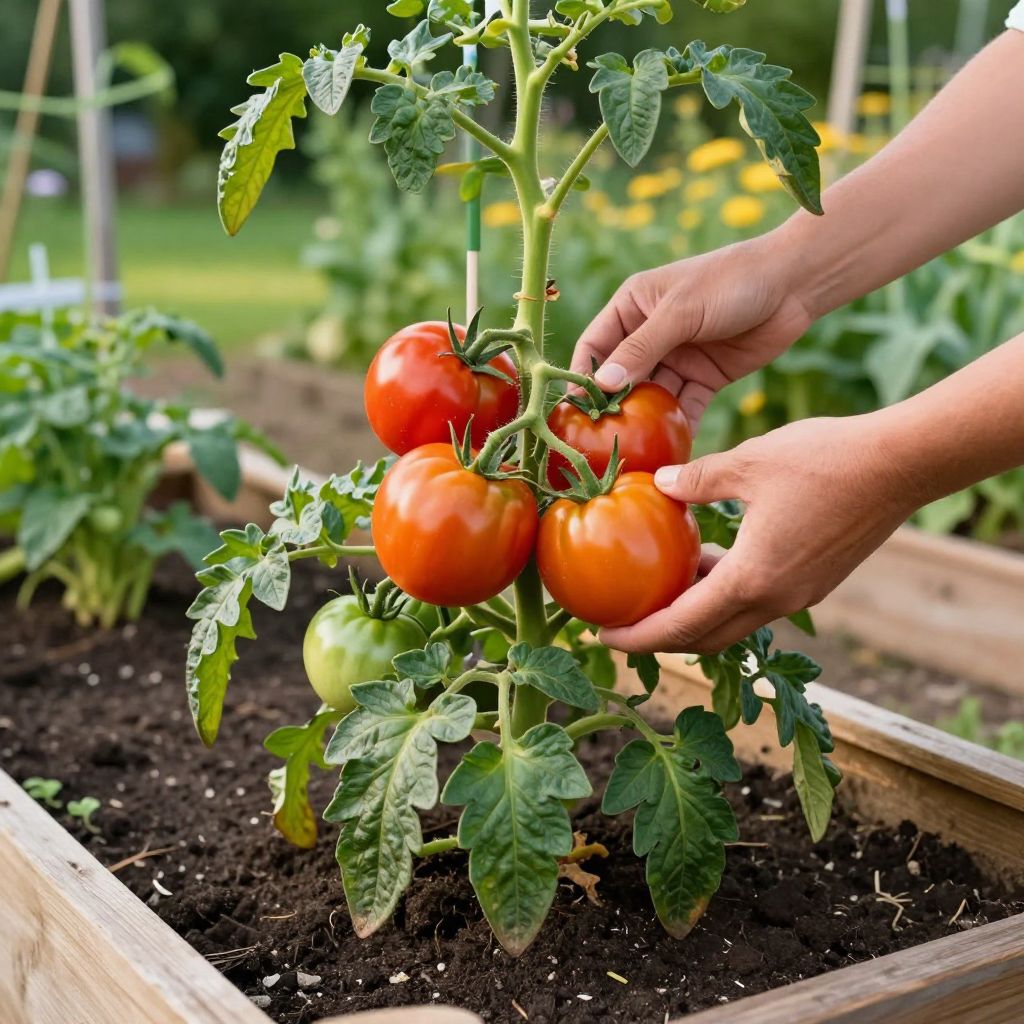
Wondering when is tomato season, and whether you’ve missed your chance to plant, harvest, or buy the best fruit? The answer depends on your climate, whether you’re growing tomatoes indoors or outdoors, and the type of tomato you’re growing. Tomatoes are warm-season crops, so timing matters more than the calendar alone.
With the right planting window, steady warmth, and enough sun, you can enjoy a long harvest of ripe, flavorful fruit. Below, you’ll find a practical guide to tomato season, including when tomatoes grow best, how to time planting, and how to care for plants from spring through fall.
When is tomato season?
Tomato season is generally the warm part of the year, from late spring through summer and into early fall, depending on your climate. In most gardens, tomatoes are planted after the last frost, grow through the hottest months, and produce ripe fruit once temperatures stay warm both day and night.
Understanding tomato season in your area
Tomatoes are sensitive to cold, so local weather is the biggest factor in timing. In cooler regions, tomato season may be short and concentrated in midsummer; in warmer regions, it can stretch for many months.
What temperature do tomatoes need?
Tomatoes grow best when daytime temperatures are warm and nights are not too cool. Growth slows in cold soil, and fruit set can drop when nights are chilly or when heat is extreme.
- Too cold: young plants stall, leaves may purple, and fruit set is delayed.
- Too hot: flowers may drop, and fruit may fail to set well.
- Just right: steady warmth supports flowering, pollination, and ripening.
If you are unsure about your local season, use your area’s last spring frost and first fall frost as guides. Tomatoes should go into the garden only when frost danger has passed and the soil has warmed enough for active root growth.
Is tomato season the same for every type?
No. Early varieties can ripen sooner, while main-season and indeterminate tomatoes keep producing over a longer period. Cherry tomatoes often start earlier and continue longer than large slicing types, but weather and plant health still matter most.
When to plant tomatoes outdoors
For outdoor gardens, plant tomatoes after the last frost date in your area and when nights are consistently mild. In many climates, that means late spring, but in cool coastal or mountain areas it may be later. In very warm regions, fall planting can also be productive.
How to tell if it’s time to plant
- Check your local frost dates.
- Make sure the soil is workable and not waterlogged.
- Look for steady warm days and nights.
- Harden off seedlings before transplanting.
- Set plants into full sun with good airflow.
Hardening off is important. Move seedlings outdoors gradually over 7 to 10 days so they adjust to wind, sun, and temperature changes. Skipping this step can scorch leaves or stunt growth.
Can you plant tomatoes earlier?
You can start tomato seeds indoors earlier, but that is different from planting them outside. Indoor starts give you a head start, yet they still need warm outdoor conditions before transplanting. If you plant too early outside, cold soil and frost can set plants back for weeks.
How tomato season changes by climate
Tomato season is not identical in every region. Your local growing season determines whether tomatoes are a spring-to-fall crop, a summer-only crop, or something you can grow nearly year-round with protection.
Cool climates
In short-season areas, tomato season is often compressed into midsummer and early fall. Choose early-ripening varieties, use black mulch or other soil-warming methods if appropriate, and protect plants from late frosts and cool nights.
Warm climates
In hot regions, tomatoes may grow through a long season, but extreme summer heat can slow fruit set. Many gardeners plant in late winter or early spring and again in late summer for a fall crop once temperatures ease.
Indoor and protected growing
If you grow tomatoes in a greenhouse, sunroom, or under strong grow lights, your season can extend beyond the outdoor calendar. Even so, plants still need strong light, good air movement, and pollination support to fruit well.
What tomatoes need during the season
Tomatoes are heavy feeders and thirsty growers, but they dislike poor drainage. Good soil preparation early in the season makes the biggest difference in plant health and fruit quality.
Soil and compost
Tomatoes do best in fertile, well-drained soil with plenty of organic matter. Work compost into the planting area before planting to improve structure and moisture retention without making the soil soggy.
- Use loose, crumbly soil that drains well.
- Mix in mature compost before planting.
- Avoid compacted beds where roots struggle to spread.
- Do not overdo fresh manure or undecomposed material near young roots.
Sunlight
Tomatoes need full sun for the best harvest. Aim for at least 6 to 8 hours of direct sun daily, though more is often better in cooler regions. In very hot climates, some afternoon shade can reduce stress, but too much shade lowers yield.
Watering
Consistent moisture matters more than frequent shallow watering. Irregular watering can lead to blossom-end rot, fruit cracking, and uneven growth.
- Water deeply at the base of the plant.
- Keep foliage as dry as possible to reduce disease pressure.
- Mulch to help the soil stay evenly moist.
- Check soil before watering instead of following a fixed schedule.
If the top inch or two of soil is dry and the plant is wilting by morning, it likely needs water. If the soil stays wet for long periods, improve drainage before adding more water.
How to care for tomatoes through the season
Tomato season is easier when you stay ahead of problems. Regular care helps plants keep flowering and producing instead of wasting energy on stress.
Support and pruning
Use cages, stakes, or trellises early so stems stay upright and fruit stays off the ground. This improves airflow, reduces disease risk, and makes harvesting easier.
- Install supports at planting time, not after plants are sprawling.
- Remove leaves touching the soil.
- For indeterminate tomatoes, light pruning can improve airflow.
- Do not remove so much foliage that fruit is exposed to sunscald in hot weather.
Feeding during the season
Tomatoes benefit from balanced fertility, but too much nitrogen can produce lush leaves with few flowers. If your soil is already rich, focus on compost and steady watering rather than heavy feeding. If plants look pale or growth is weak, a light, appropriate feeding may help, but always follow product directions.
Pollination help
Tomatoes are usually self-pollinating, but wind and vibration help release pollen. Outdoors, insects and breezes often do the job. In protected spaces, gently shaking flower clusters or tapping supports can improve fruit set.
Common tomato season problems
Many tomato issues show up during the growing season, especially when weather swings from cool to hot or when watering is inconsistent. Catching problems early can save much of the crop.
Blossom drop
Flowers may fall without setting fruit if temperatures are too cold, too hot, or if the plant is under stress. Improve watering, mulch the soil, and avoid excess nitrogen. In hot spells, wait for more moderate weather if possible.
Blossom-end rot
This dark, leathery spot on the bottom of the fruit is usually linked to uneven moisture and calcium uptake, not simply a lack of calcium in the soil. Keep watering regular and avoid letting plants dry out completely between soakings.
Cracking
Fruit can split after sudden rain or heavy watering following a dry spell. Mulch helps moderate soil moisture, and picking fruit as it begins to color can reduce losses during wet weather.
Blight and leaf diseases
Leaf spots, yellowing, and rapid decline can happen in humid or rainy weather. Space plants well, water at the base, remove diseased leaves, and avoid overcrowding. If disease pressure is high, choose resistant varieties in future seasons.
Pests
Caterpillars, aphids, whiteflies, and hornworms can damage tomato plants during peak season. Inspect leaves regularly, especially the undersides, and remove pests by hand when possible. Healthy plants usually recover better than stressed ones.
When to harvest tomatoes
Tomatoes are ready when they have developed full color for the variety and feel slightly soft but not mushy. Flavor is best when fruit ripens on the vine, but you can pick nearly ripe tomatoes before a cold snap or heavy rain.
Harvesting tips
- Check plants every day or two during peak season.
- Pick fruit when it is evenly colored and fragrant.
- Twist gently or use clean pruners to avoid damaging stems.
- Handle ripe fruit carefully to prevent bruising.
If frost is coming, harvest mature green or partially colored tomatoes and let them finish indoors at room temperature. They will not taste exactly like vine-ripened fruit, but this can save a large part of the crop.
Extending tomato season
You can often stretch tomato season by starting early indoors, choosing varieties suited to your climate, and protecting plants from cold at both ends of the season. Row covers, cloches, and mulch can help in cool weather, while shade and extra watering can help in heat.
Simple ways to get more harvest time
- Start seeds indoors 6 to 8 weeks before transplanting, if your climate allows.
- Choose early varieties for short seasons.
- Use mulch to stabilize soil moisture and temperature.
- Protect plants from unexpected cold snaps.
- Remove diseased foliage promptly to keep plants productive longer.
Common mistakes to avoid
Many tomato season problems come from planting too early, crowding plants, or letting watering swing between too dry and too wet. Avoid these common errors to improve both yield and flavor.
- Planting outdoors before soil and air are warm enough.
- Using heavy shade or planting in a cramped spot.
- Letting vines sprawl on the ground without support.
- Overfertilizing with nitrogen and getting leafy plants with few tomatoes.
- Ignoring early signs of disease or pest damage.
Conclusion
Tomato season is the warm stretch of the year when plants can grow, flower, and ripen fruit successfully, but the exact timing depends on your local climate. Check your frost dates, wait for warm soil, and give plants full sun, steady moisture, and support for the best results. If you’re planning your garden now, start by matching your tomato planting time to your local weather pattern.
For more seasonal growing help, you may also want to read about how to transplant seedlings safely and mulching vegetables for healthier soil.