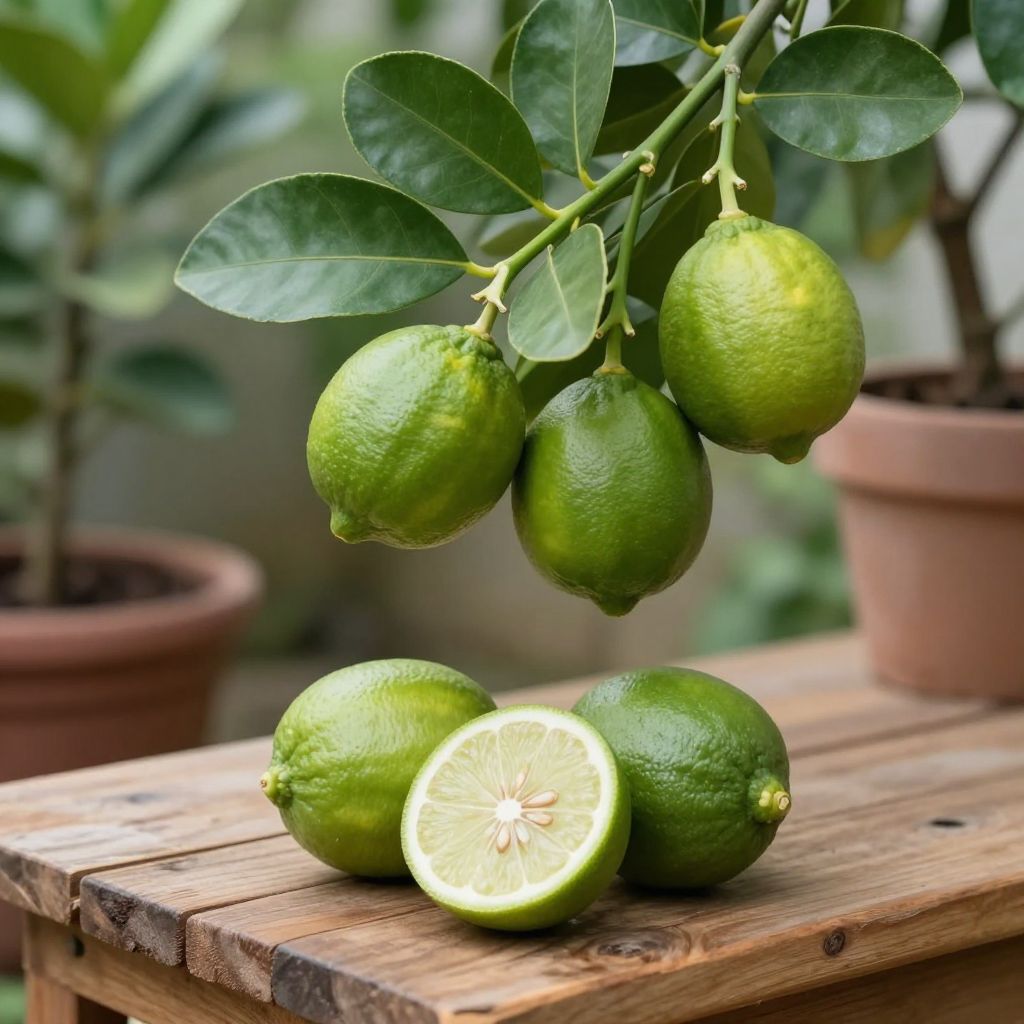
Do limes have seeds? Yes, many limes do, but not all of them. Some lime fruits contain several seeds, while others are nearly seedless depending on the variety, growing conditions, and whether the fruit was pollinated well. If you’re growing limes at home, seediness is usually a fruit-quality trait rather than a plant problem.
Understanding why some limes are seedy helps you choose the right tree, improve fruit set, and know what to expect at harvest. It also helps you avoid common mistakes that can reduce fruit quality, especially in containers or cooler climates.
Do limes have seeds?
Many limes have seeds, but the number varies widely by type. Key limes often contain several seeds, while Persian limes are usually seedless or have very few seeds. Seed count can also change with pollination, nearby citrus varieties, and growing conditions.
Which lime types are seedy or seedless?
Not all limes are the same, and the variety matters more than most gardeners expect. If you want fruit with fewer seeds, start by identifying the type of lime tree you have or plan to buy.
Common lime types
- Key lime (Citrus aurantiifolia) — typically small, aromatic, and usually seedy.
- Persian lime (Citrus latifolia) — the most common grocery-store lime, usually nearly seedless.
- Kaffir lime (Citrus hystrix) — grown more for leaves and zest; fruits are often seedy and less commonly eaten fresh.
- Finger lime (Citrus australasica) — contains caviar-like juice vesicles; seed content varies, but it is not usually grown for typical lime juice use.
If you are buying a tree for fruiting, ask the nursery which cultivar it is and whether it is known for seedless or seedy fruit. That small detail can make a big difference at harvest time.
Why do some limes have more seeds than others?
Seed formation depends on pollination, genetics, and fruit development. A lime that is naturally seedy may still produce fewer seeds in some seasons, while a usually seedless lime can occasionally develop a few seeds if pollination conditions change.
What affects seed count?
- Variety — genetics are the biggest factor.
- Pollination — more effective pollination can increase seed formation in some lime types.
- Nearby citrus trees — cross-pollination can sometimes affect fruit quality and seed number.
- Weather — cool, wet, or windy bloom periods can reduce fruit set or alter seed development.
- Tree stress — poor light, inconsistent watering, and nutrient imbalance can affect fruit quality.
In practical terms, a healthy, well-sited tree is more likely to produce good fruit, but it will not change a naturally seedy lime into a seedless one.
How to grow limes for better fruit quality
Good growing conditions won’t guarantee seedless fruit, but they do improve overall fruit quality, size, and flavor. Limes are tropical to subtropical citrus plants that need warmth, sun, drainage, and steady care.
Sunlight
Lime trees need full sun for best flowering and fruiting. Outdoors, aim for at least 6 to 8 hours of direct light daily. Indoors or in a greenhouse, place the tree in the brightest location you have, ideally with strong southern or western exposure.
Soil and drainage
Limes dislike wet feet. Plant them in well-drained soil that does not stay soggy after rain or irrigation. If your soil is heavy clay, improve drainage with raised beds, mounds, or container growing rather than forcing the tree into poorly drained ground.
A good planting mix should be loose, airy, and rich in organic matter, but not overly heavy with compost. Too much compost or manure can hold excess moisture around the roots.
Watering
Water deeply, then let the top layer of soil begin to dry slightly before watering again. Young trees need more consistent moisture than established trees, but both suffer if the soil swings between bone-dry and waterlogged.
Irregular watering can lead to poor fruit quality, leaf drop, and stress. In containers, check moisture more often because pots dry out faster than garden soil.
Feeding
Limes need balanced nutrition, especially nitrogen, plus micronutrients such as iron and magnesium if your soil is deficient. Use a citrus-specific fertilizer or a balanced feeding plan suited to your soil test results and local conditions.
Do not overfeed. Excess nitrogen can push leafy growth at the expense of flowers and fruit, and it can make a tree more attractive to pests.
Can you grow limes from seed?
You can grow a lime tree from seed, but the fruit may not match the parent plant, and it can take many years to bear. Seed-grown citrus is not the best choice if your goal is reliable fruit quality or a known seedless variety.
What to expect from seed-grown limes
- Fruit quality may be unpredictable.
- Time to fruiting is often long.
- Some seedlings may be less vigorous or less productive than grafted trees.
For most home gardeners, a grafted lime tree from a reputable nursery is the smarter choice. It gives you a known variety and usually fruits sooner than a seed-grown plant.
Best planting and growing methods for home gardeners
Whether you plant in the ground or in a pot depends on your climate. In colder regions, container growing is often the easiest way to protect limes from frost. In warm climates, in-ground planting can work well if drainage is excellent.
In-ground planting tips
- Choose a warm, sheltered site with full sun.
- Make sure water drains away quickly after rain.
- Plant at the same depth the tree was growing in its nursery pot.
- Mulch lightly, keeping mulch a few inches away from the trunk.
- Protect young trees from wind and frost.
Container growing tips
- Use a pot with drainage holes.
- Select a free-draining citrus or container mix.
- Move the tree to bright light and rotate it occasionally for even growth.
- Repot as needed when roots fill the container.
- Bring the tree indoors or into protection before cold weather if your climate requires it.
Container plants are easier to manage in marginal climates, but they also dry out faster and need more attention to watering and feeding.
Pruning and care for healthier lime crops
Pruning helps maintain shape, improve airflow, and remove dead or crowded growth. It does not usually change whether limes are seedy, but it can improve the tree’s overall health and fruiting performance.
Simple pruning guidelines
- Remove dead, damaged, or crossing branches.
- Thin crowded growth to improve light penetration.
- Keep the center open enough for air movement.
- Avoid heavy pruning unless the tree is overgrown or damaged.
Too much pruning can reduce flowering and fruiting for a season. Light, regular pruning is usually better than severe cuts.
Common pests and diseases that affect lime fruiting
Healthy fruiting depends on a healthy tree. Pests and diseases can weaken a lime tree, reduce flowering, and lead to poor fruit set or fruit drop.
Watch for these problems
- Aphids — may cluster on tender growth and distort new leaves.
- Scale insects — often appear as small bumps on stems or leaves.
- Spider mites — more common in hot, dry conditions, especially on indoor plants.
- Citrus leaf miner — can damage new flushes of growth.
- Root rot — commonly linked to poor drainage and overwatering.
Practical fixes
- Inspect new growth regularly.
- Rinse small infestations off with water when possible.
- Encourage airflow around the tree.
- Avoid overwatering, especially in cool weather.
- Remove badly damaged leaves and branches when needed.
If a tree is losing fruit early or has yellowing leaves, check roots, drainage, and watering habits before assuming the lime variety is the problem.
How to tell if a lime is ready to harvest
Seed count is not a reliable ripeness indicator. Instead, look at color, firmness, size, and fragrance. Many limes are harvested while still green, but they should feel full-sized and slightly yielding rather than rock-hard.
Harvesting tips
- Pick fruit when it reaches the expected size for the variety.
- Look for a glossy skin and strong citrus aroma.
- Use clean pruners or snips to avoid tearing the stem.
- Handle fruit gently to prevent bruising.
Some limes may develop more seeds if left on the tree too long, while others simply become less juicy. Harvesting at the right stage helps preserve flavor and texture.
How to choose a lime tree if you want fewer seeds
If your main goal is fewer seeds, start with the right variety rather than hoping growing conditions will change the fruit. A Persian lime is usually the best choice for low-seed fruit, while Key limes are a better fit if you want that classic tart flavor and do not mind seeds.
Buying checklist
- Confirm the variety name.
- Ask whether the tree is grafted.
- Check that the plant has healthy leaves and no obvious pest damage.
- Choose a size that fits your space and climate.
- Make sure you can provide enough sun and frost protection.
Tip: If you are growing in a pot, choose a compact, grafted tree and keep it in strong light. A stressed citrus tree is less likely to fruit well, even if the variety is naturally low-seeded.
Common mistakes to avoid
- Choosing a seedy variety when you wanted low-seed fruit.
- Planting in heavy, poorly drained soil.
- Giving too little sun.
- Overwatering or letting the root zone stay soggy.
- Overfertilizing with nitrogen.
- Pruning too hard at the wrong time.
These mistakes do not just affect seed count; they can reduce flowering, fruit set, and overall tree vigor.
Conclusion
So, do limes have seeds? Often yes, but the answer depends on the variety. If you want fewer seeds, choose a Persian lime and grow it in full sun, well-drained soil, and steady conditions. If you already have a seedy lime tree, focus on healthy care and proper harvesting rather than expecting the seed count to change dramatically.
For more practical citrus growing help, you may also want to read about how to care for citrus trees in containers and simple pruning tips for healthy fruit trees.