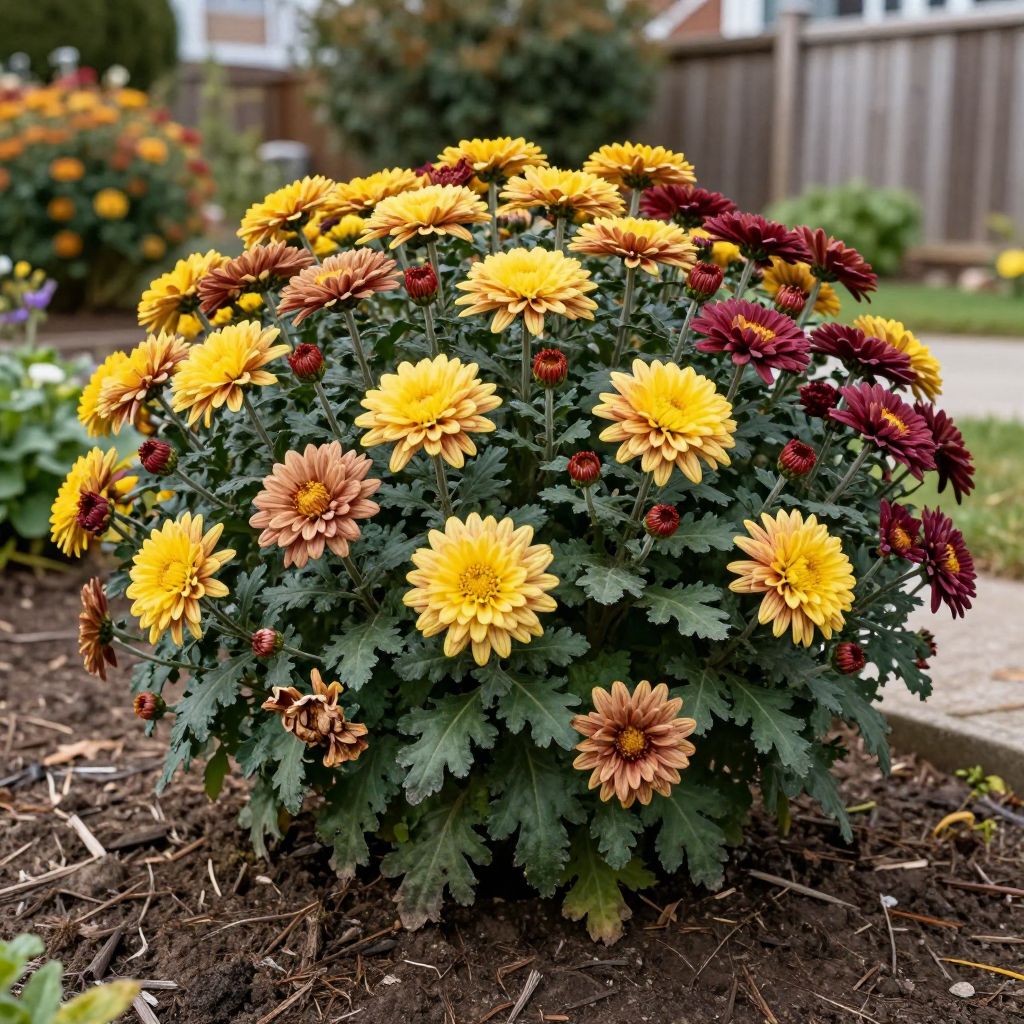
If you’ve bought a pot of mums and wondered, “Are mums annuals or perennials?” you’re not alone. The answer depends on the type of mum, your climate, and how you grow it. Some mums are treated as seasonal color, while others can return for years with the right care.
Knowing which kind you have helps you decide whether to plant it out, overwinter it, or simply enjoy it for fall display. With a little attention to drainage, sunlight, and timing, garden mums can be much more than a one-season purchase.
Are mums annuals or perennials?
Mums, or chrysanthemums, can be either annuals or perennials depending on the variety and your growing conditions. Florist mums are often grown as short-lived seasonal plants, while hardy garden mums can come back each year in suitable climates if planted early enough and given good drainage, sun, and winter protection.
What kind of mum do you have?
The first clue is where you bought it and how it was sold. A potted mum from a grocery store or florist is often meant for temporary color, while a garden mum from a nursery is more likely selected for perennial performance.
Common types you may see
- Florist mums — usually sold in bloom for indoor or porch display; often less winter-hardy.
- Garden mums — bred for outdoor planting and better cold tolerance.
- Hardy chrysanthemums — perennial types that can overwinter in the ground in many regions.
Even a hardy mum may act like an annual if it’s planted too late in the season, stressed by heat, or exposed to wet winter soil. The plant’s genetics matter, but so does the timing of planting and the care it receives.
How to tell if a mum will come back
There isn’t a perfect guarantee, but a few signs help. A mum with a sturdy root system, healthy green growth, and a label describing it as hardy or garden-grown has a better chance of returning than a heavily forced flowering plant sold for instant color.
Look for these clues
- It was sold as a garden mum, not just a decorative fall pot.
- The plant has healthy stems and leaves, not only flowers.
- You can plant it in the ground well before hard frost.
- Your local winters are not too severe for the variety.
If you’re unsure, treat the plant as a bonus perennial. Enjoy the flowers now, then give it the best possible chance to survive. If it returns, great; if not, you still got a full season of color.
Best growing conditions for perennial mums
Perennial mums do best in full sun, well-drained soil, and a spot with good air movement. They dislike soggy roots and perform best when they can establish before cold weather arrives.
Sunlight
Give mums at least 6 hours of direct sun daily. More sun usually means sturdier stems and more flowers, while too much shade can lead to weak growth and fewer blooms.
Soil and drainage
Use loose, fertile soil that drains well. Heavy clay can be improved with compost, but if your site stays wet after rain, consider raised beds or containers instead.
- Work in compost to improve texture and fertility.
- Avoid low spots where water collects.
- Keep the crown above the soil line when planting.
Spacing
Space plants so air can move through them. Crowded mums are more likely to develop leaf diseases, especially in damp weather.
How to plant mums for the best chance of returning
If you want mums to behave like perennials, plant them early enough to root in before winter. A fall-blooming mum planted in late summer or early fall has a better chance than one planted right before freezing weather.
- Choose a sunny, well-drained site.
- Loosen the soil and mix in compost if needed.
- Dig a hole as deep as the root ball and slightly wider.
- Set the plant so the crown sits level with or slightly above the soil surface.
- Backfill, firm gently, and water thoroughly.
- Mulch lightly after the soil cools, but keep mulch away from the stem.
Do not bury mums too deeply. Crowns planted below grade are more likely to rot, especially in wet soil and winter thaws.
Watering and feeding mums
Mums need even moisture while they establish, but they do not like waterlogged soil. The goal is steady moisture, not constant saturation.
Watering tips
- Water deeply when the top inch of soil feels dry.
- Water at the base of the plant rather than overhead when possible.
- In containers, check moisture more often because pots dry out faster.
Overwatering is a common mistake. Yellowing leaves, soft stems, and a sour-smelling root zone can all point to poor drainage or too much water.
Fertilizer
For garden mums, a moderate, balanced feeding in spring or early summer can support growth. Avoid heavy late-season feeding, which may encourage soft growth that is more vulnerable to frost.
If your soil is already rich, compost may be enough. Too much nitrogen can produce lush leaves but fewer flowers.
Pruning, pinching, and deadheading
Pinching is one of the best ways to help mums grow bushier and bloom more evenly. It encourages branching and can reduce the floppy, open look that some plants develop.
How to pinch mums
- When stems are about 6 to 8 inches tall, pinch out the top inch or so.
- Repeat once or twice in early summer if you want a fuller plant.
- Stop pinching later in the season so buds can form.
Deadheading spent blooms can tidy the plant and may help redirect energy, though it won’t change the plant’s hardiness. After flowering, leave healthy foliage in place as long as possible so the plant can store energy for next year.
Winter care for perennial mums
Winter survival is often the deciding factor in whether mums act like annuals or perennials. In colder climates, the crown needs protection from freeze-thaw cycles and excess winter wet.
What to do after flowering
- Leave the foliage standing until it turns brown naturally, if possible.
- After the ground begins to cool, add a light mulch layer around the plant.
- Use straw, shredded leaves, or similar loose mulch.
- Remove or thin heavy mulch in spring as new growth appears.
In very cold regions, even hardy mums may struggle without extra protection. In mild climates, the bigger risk may be winter wet rather than low temperature, so drainage matters just as much as mulch.
Common problems that make mums act like annuals
Sometimes a mum is capable of being perennial, but the growing conditions shorten its life. These are the most common reasons mums fail to return.
Too much shade
Plants in shade often grow weakly and bloom poorly. They may also be more prone to disease because foliage stays damp longer.
Poor drainage
Wet soil can rot roots and crowns. If your site stays soggy, try raised beds, containers with drainage holes, or a different planting location.
Late planting
Plants set out too close to frost may not have time to establish roots. A mum can bloom beautifully in fall and still fail over winter if it never rooted in properly.
Winter heaving
Repeated freezing and thawing can push roots out of the soil. A light mulch and well-drained site reduce this risk.
Pests and diseases to watch for
Mums are not especially difficult plants, but they can be bothered by a few common issues. Catching problems early helps keep the plant healthy enough to return.
Common pests
- Aphids
- Spider mites
- Thrips
Check the undersides of leaves and new growth. A strong spray of water can dislodge light infestations, and damaged stems or heavily infested leaves may need to be removed.
Common diseases
- Powdery mildew
- Leaf spot
- Root rot
Good spacing, sunlight, and avoiding overhead watering help prevent many of these issues. If a plant repeatedly gets mildew or rots in place, the site may simply be too damp or too crowded for mums.
Growing mums in containers
Containers are a good option if your soil is poor or your winters are harsh. They also make it easier to move plants to a protected spot when weather turns severe.
Container care basics
- Use a pot with drainage holes.
- Choose a quality potting mix, not garden soil.
- Water more often than in-ground plants.
- Protect the pot from hard freezes if you want the plant to overwinter.
Container mums may still behave like annuals if the pot freezes solid or dries out too much in winter. If you want to try overwintering them, move the pot to a sheltered location and keep the root ball from becoming bone dry.
So, should you treat mums as annuals or perennials?
The practical answer is: treat them as annuals unless you know you have a hardy garden mum and a suitable site. If you live in a climate where winter is mild to moderate and you can plant early in well-drained soil, you may get several years from them.
If you want the best chance of success, buy a garden mum, plant it in sun, improve the soil with compost, and avoid soggy ground. Then give it light winter protection and see whether it returns in spring. For more seasonal planting ideas, you may also enjoy reading about how to care for fall flowers in the garden and choosing the best perennials for sunny borders.