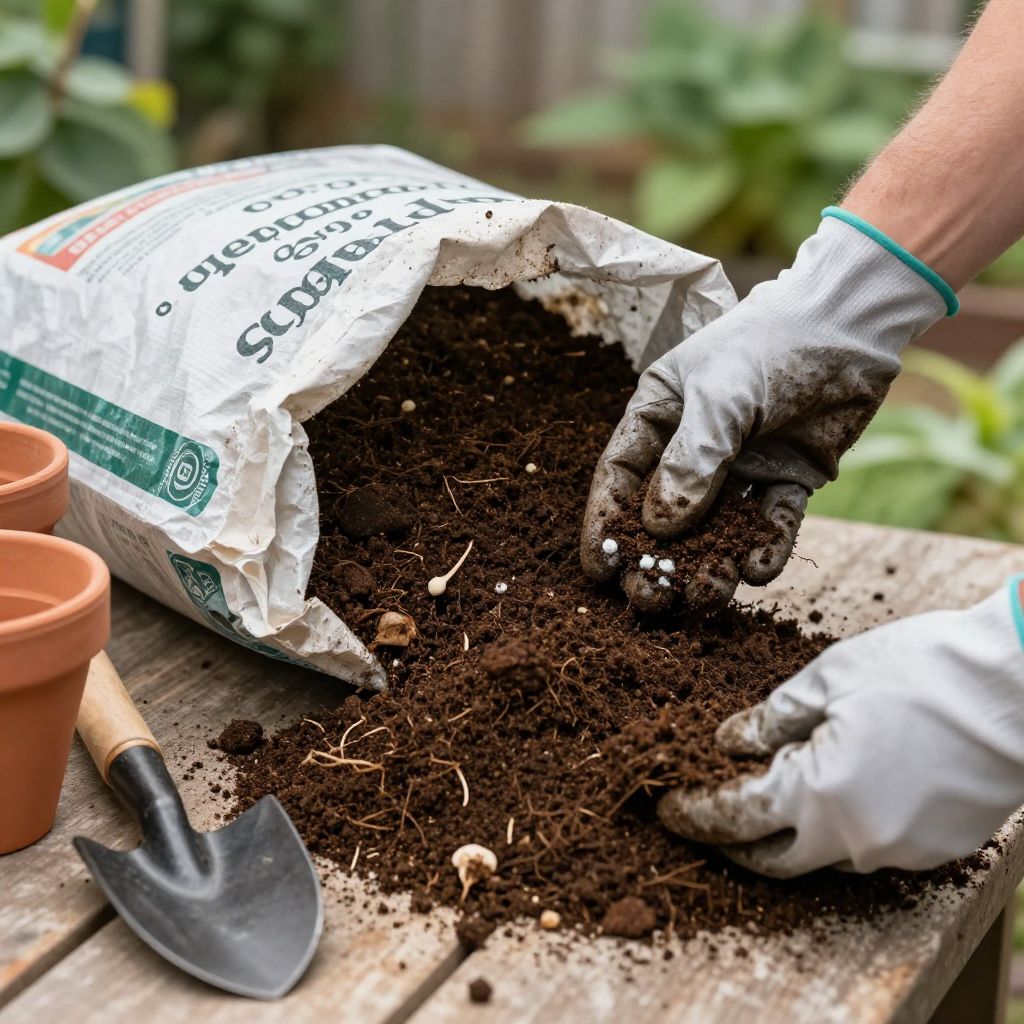
Does potting soil go bad? Yes, it can. Potting mix does not usually “spoil” like food, but it can lose structure, dry out hard, become compacted, or develop mold, pests, or a sour smell that makes it less useful for healthy container plants.
If you garden in pots, hanging baskets, or seed trays, old mix can affect drainage, root growth, and watering. The good news is that in many cases you can tell whether it is still usable, refresh it, or safely replace it without wasting material.
Does potting soil go bad?
Potting soil can go bad in the sense that it breaks down, loses air space, and may harbor pests, fungi, or salt buildup. Unopened bags often stay usable for months to a couple of years if stored dry, but once opened, potting mix degrades faster and should be checked before use.
How to tell if potting soil is still good
Good potting mix should look loose, smell earthy, and drain well when watered. If it has turned into a dense clump, smells rotten, or shows obvious contamination, it is better to refresh or discard it.
Signs potting soil is still usable
- It feels light and crumbly, not heavy or muddy.
- It has a mild, earthy smell.
- No insects, larvae, or fuzzy growth are visible.
- Water moves through it without pooling for a long time.
Signs potting soil has gone bad
- Sour, swampy, or rotten smell
- White, gray, or green mold covering large areas
- Hard, compacted texture that stays wet too long
- Visible fungus gnats, mites, or other pests
- Salt crust on the surface or bag edges
- It has been stored wet for a long time
Why potting soil goes bad
Potting mix changes over time because its ingredients are organic and break down. Peat, compost, bark, coir, and other components decompose, which reduces drainage and air pockets that roots need.
Common causes of decline
- Moisture exposure during storage, which encourages mold and gnats
- Repeated watering in containers, which compresses the mix
- Fertilizer salts building up from regular feeding
- Organic matter breaking down and losing structure
- Contamination from diseased plants or dirty tools
Even a good-quality mix will not stay perfect forever. Container gardening depends on a fluffy, well-drained medium, so once the mix collapses, roots get less oxygen and plants often struggle.
How long does potting soil last?
There is no single expiration date, because storage conditions matter more than the calendar. Dry, sealed potting mix may remain usable for a long time, while open bags stored in damp sheds can decline quickly.
General storage expectations
- Unopened and dry: often usable for many months, sometimes longer
- Opened but stored well: usually usable for one season or more
- Wet, exposed, or contaminated: may become unusable much sooner
Always inspect the mix before using it, even if the bag is brand new. A bag can be old, punctured, or stored poorly before it reaches your garden shed.
Can you reuse old potting soil?
Yes, you can often reuse old potting soil if it is still clean and structurally sound. Reuse is most successful for non-diseased ornamental plants, patio containers, and some seasonal plantings.
When reuse is reasonable
- The previous plant was healthy and pest-free.
- The mix still drains well and is not badly compacted.
- You remove old roots, stems, and debris first.
- You refresh the mix with new ingredients.
When to throw it out
- The plant had root rot, wilt diseases, or severe pest problems.
- The mix smells bad or stays soggy for days.
- You see a heavy insect infestation.
- The soil is mostly broken down into fine, muddy material.
If a container plant died from disease, do not assume the soil is safe to reuse. Some pathogens can survive in old potting mix or in debris left behind in the pot.
How to refresh old potting soil
Refreshing old mix is often the best middle ground between reuse and replacement. The goal is to restore drainage, texture, and nutrient availability without overcomplicating the process.
- Dump the old mix into a clean tub or tarp.
- Remove roots, stems, fallen leaves, and any trash.
- Break up compacted clumps by hand.
- Blend in fresh potting mix to improve structure.
- Add compost only if the plant can handle richer, more moisture-retentive soil.
- Check drainage holes and clean the container before refilling.
A simple refresh often works well for many container annuals and foliage plants. For seed starting or small pots, use a finer, lighter mix because seedlings need consistent moisture and delicate roots need plenty of air.
Good refresh ratios to start with
- Lightly used mix: 1 part old mix to 1 part fresh mix
- Moderately tired mix: 1 part old mix to 2 parts fresh mix
- Very broken-down mix: discard and replace
Keep in mind that these are practical starting points, not fixed rules. Plants that prefer sharp drainage, such as succulents, need a much airier blend than moisture-loving container plants.
How to store potting soil so it lasts longer
Proper storage is one of the easiest ways to prevent potting soil from going bad. The main goals are to keep it dry, clean, and protected from pests.
- Store bags in a cool, dry place off the ground.
- Close opened bags tightly or transfer the mix to a lidded bin.
- Keep it away from standing water, leaks, and direct rain.
- Do not leave it exposed in open containers outdoors.
- Label bags with the purchase date if you buy in bulk.
If you live in a humid climate, extra care matters. Moist air can seep into opened bags and encourage mold, especially in garages, sheds, or basements with poor ventilation.
What to do if potting soil smells bad or looks moldy
A bad smell usually means the mix has been kept too wet and has started to decompose anaerobically. Mold on the surface can be harmless in small amounts, but widespread growth is a warning sign that the mix has been sitting wet and stagnant.
Quick troubleshooting steps
- Spread the mix out and let it dry if the problem is only mild surface mold.
- Remove any contaminated plant debris.
- Mix in fresh, dry potting soil to improve texture.
- Discard the batch if the smell remains sour or rotten.
Do not use bad-smelling potting soil for seedlings or houseplants that dislike soggy roots. Weak or young plants are the first to suffer from poor aeration and excess moisture.
Can old potting soil hurt plants?
Old potting soil can hurt plants when it no longer drains properly or carries pests and disease. The most common problems are root stress, fungus gnats, poor growth, and uneven watering.
Plants most affected by tired mix
- Seedlings and transplants
- Houseplants in small pots
- Plants that prefer excellent drainage
- Containers watered frequently in warm weather
When roots cannot get enough oxygen, plants may wilt even when the soil is wet. That is a sign the mix is too dense, not that the plant needs more water.
Should you sterilize potting soil?
For most home gardeners, sterilizing potting soil is not necessary and can be more trouble than it is worth. It may also damage beneficial microorganisms and change the soil’s structure.
If you are reusing mix from a diseased plant, it is usually safer to discard it rather than try to sanitize it at home. For healthy plants, focus on cleaning the pot, removing debris, and refreshing the mix instead.
Best practices for healthy container soil
Healthy potting soil is really about maintaining the right balance of moisture, air, and nutrients. A good container mix should stay loose enough for roots to explore while holding enough water to support the plant between waterings.
- Use a quality potting mix, not heavy garden soil, in containers.
- Choose pots with drainage holes.
- Water based on plant needs and weather, not a fixed calendar.
- Feed plants according to their growth stage and container size.
- Repot or refresh tired mix when drainage declines.
For outdoor containers, heat and wind can dry soil quickly, while cool weather slows drying. Indoors, light levels and air circulation affect how fast the mix dries, so you may need to adjust watering from room to room.
Conclusion: check before you plant
Does potting soil go bad? It can, but often the problem is age, compaction, or contamination rather than true spoilage. Before planting, give the mix a quick inspection for smell, texture, drainage, and pests. If it still looks healthy, reuse it with confidence; if not, refresh it or replace it.
For more container gardening basics, you may also find these guides helpful: does fertilizer go bad and can you use garden soil in pots.