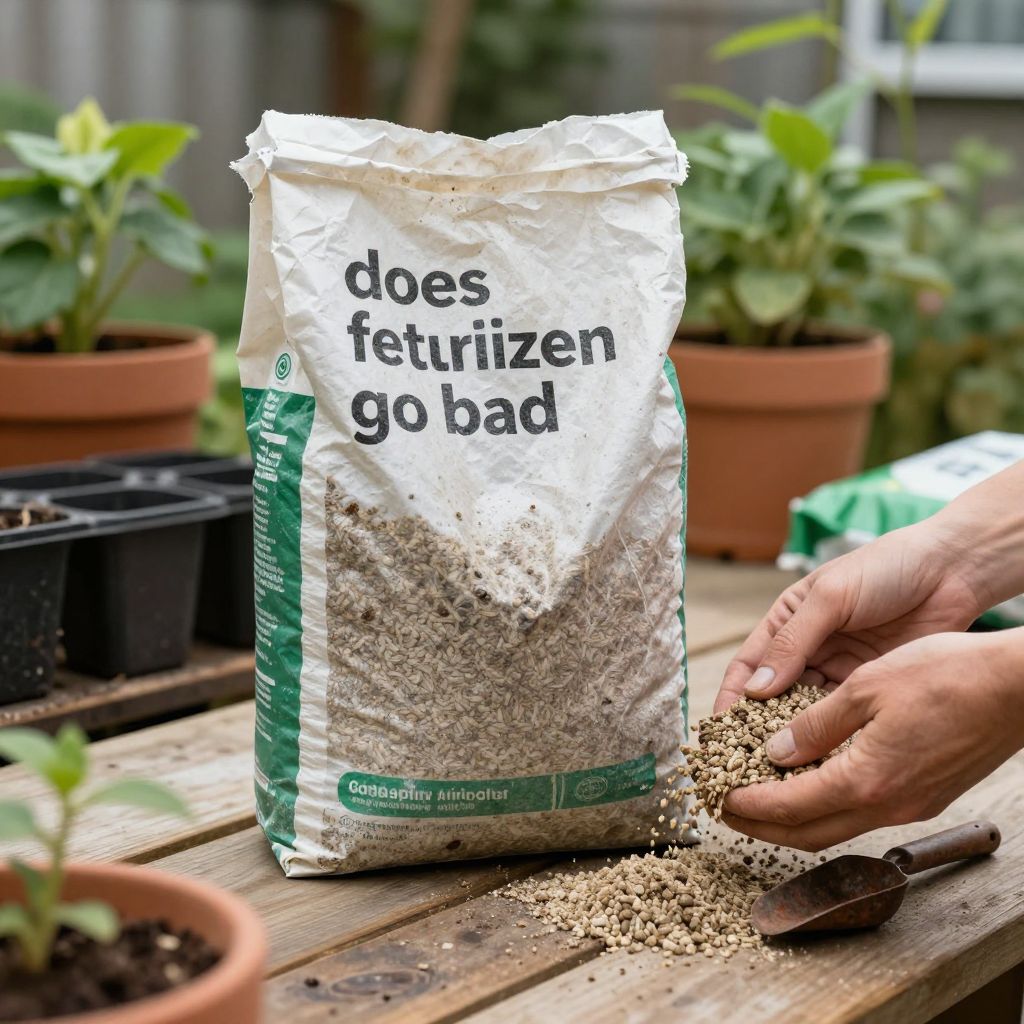
Does fertilizer go bad? Yes, it can lose strength, change texture, or become unsafe to use depending on the product and how it was stored. Most dry fertilizers last a long time if kept cool and dry, while liquid fertilizers and mixes with organic ingredients usually have a shorter shelf life.
The good news is that “bad” fertilizer is often still usable in some form. The key is knowing what type you have, how to check it, and when it’s better to replace it than risk poor results or plant damage.
Does fertilizer go bad?
Fertilizer can go bad, but not all types fail the same way. Dry granular fertilizers may clump or lose some effectiveness over time, while liquid fertilizers can separate, grow odor, or degrade faster. Organic fertilizers and mixes containing microbes or natural materials usually have the shortest useful life.
What happens when fertilizer gets old?
Old fertilizer usually doesn’t “spoil” like food, but it can change in ways that affect your plants. Nutrients may settle, moisture can cause clumping, and some products can lose potency if exposed to heat, air, or humidity.
Common signs fertilizer has degraded
- Hard clumps or caking in dry fertilizer
- Separation in liquid fertilizer that won’t mix back together
- Unusual odor from organic products
- Color changes or visible mold in moisture-damaged products
- Weak results after application, even when used correctly
Some changes are cosmetic, while others mean the product may no longer apply evenly or feed plants as expected. If the fertilizer has absorbed moisture, it may still contain nutrients, but it can be harder to measure and distribute properly.
How to tell whether your fertilizer is still usable
Start by checking the label, the container, and the product’s condition. If the bag or bottle has a clear expiration date or “best by” date, follow that first. If not, use appearance, smell, and texture as your guide.
Dry fertilizer
Dry fertilizer often remains usable for a long time if it has stayed sealed and dry. A few clumps are not always a problem, but if it has turned into a solid mass, absorbed water, or smells strongly off, it may not spread evenly.
Liquid fertilizer
Liquid fertilizer usually has a shorter shelf life than dry formulations. If it separates, crystallizes, or develops a strange smell, shake it well and check whether the label says it is normal to settle. If the product does not remix or looks contaminated, replace it.
Organic fertilizer
Organic fertilizers such as fish emulsion, compost teas, and some natural blends can break down faster. These products are more likely to change odor or lose quality if they are stored warm or left open.
How long fertilizer lasts by type
There is no single expiration date for all fertilizers, because formulation and storage matter. Still, some general patterns can help you judge what you have on hand.
- Dry granular fertilizer: Often lasts several years if sealed and stored dry.
- Water-soluble fertilizer: Can last a long time in powder form if moisture stays out, but may cake over time.
- Liquid fertilizer: Often best used within a season or two after opening, depending on the product.
- Organic liquid feeds: Usually have the shortest shelf life and are most sensitive to storage conditions.
- Compost and manure-based products: These are not “bad” in the same way, but they can become stale, compacted, or contaminated if stored poorly.
Always trust the manufacturer’s storage instructions when available. If the label gives a specific shelf life, that guidance is more reliable than any general rule.
Best storage practices to keep fertilizer from going bad
Proper storage is the easiest way to extend fertilizer life and keep it effective. Moisture, heat, and sunlight are the biggest enemies of most products.
- Keep fertilizer sealed tightly. Use the original container whenever possible.
- Store it in a cool, dry place. A shed, garage shelf, or utility room often works if it stays dry.
- Avoid direct sun and heat. High temperatures can damage liquid products and encourage clumping.
- Keep it off the floor. Elevating bags and bottles helps protect them from dampness and leaks.
- Label opened containers. Write the purchase date or opening date on the package.
- Separate fertilizers from pesticides and seeds. This helps prevent spills and confusion.
If you live in a humid climate, moisture control matters even more. A tightly sealed plastic bin or lidded tote can help protect dry fertilizer from damp air.
Can you use old fertilizer on plants?
Often, yes—if it still looks normal and has been stored correctly. Old fertilizer may be less reliable, but it can still help plants if it has not been contaminated or damaged by moisture.
When it is usually safe to use
- Dry fertilizer is still free-flowing or only lightly clumped
- Liquid fertilizer mixes normally after shaking
- The product smells normal for its type
- The label does not warn against extended storage
When to throw it out
- It has a strong rotten, sour, or chemical smell that seems unusual
- There is mold, slime, or visible contamination
- The container is swollen, leaking, or rusted through
- Dry fertilizer has hardened into unusable chunks
- The product no longer dissolves or mixes properly
If you are unsure, test a small amount on a non-valuable plant or a small section of the garden first. That is safer than applying an uncertain product to seedlings, container plants, or stressed shrubs.
How to avoid plant damage from old fertilizer
Old fertilizer can still burn plants if it is applied too heavily or unevenly. Clumped granules, separated liquids, or stale mixes can create hot spots in the soil.
Practical safety tips
- Apply only to moist soil unless the label says otherwise
- Water in granular fertilizer after application if recommended for the product
- Do not use old fertilizer on tender seedlings without checking its condition first
- Avoid guessing at rates if the product has changed texture or concentration
- Never mix old fertilizer with other products unless the label allows it
For container plants, be especially careful. Pots hold less soil, so fertilizer mistakes show up faster than they do in garden beds.
Indoor vs. outdoor use: does storage matter?
Yes. Indoor storage is usually more stable, while outdoor sheds and garages can swing from hot to cold and damp to dry. Those changes shorten shelf life, especially for liquids and organic feeds.
Indoor gardening
Houseplant fertilizers and hydroponic nutrients are often stored near sinks, laundry areas, or windows, where humidity and temperature changes can be a problem. Keep them in a dry cabinet away from cleaning products and direct sun.
Outdoor gardening
For vegetable beds, lawns, and landscape plants, fertilizer is often stored in sheds or garages. Use sealed bins to protect it from rain, pests, and condensation, especially in spring and fall when temperatures fluctuate.
What to do with fertilizer that has gone bad
If fertilizer is clearly unusable, dispose of it according to the product label and local waste guidelines. Do not pour large amounts down drains or dump unknown products into the garden.
- Check the label for disposal instructions
- Keep it away from storm drains and waterways
- Take hazardous or questionable products to a local collection site if required
- Rinse and recycle containers only if the label says that is appropriate
For dry products that are only slightly clumped, you may be able to break them up and use them carefully. If the product is contaminated or smells wrong, disposal is the better choice.
Common mistakes gardeners make with fertilizer storage
Many fertilizer problems come from storage habits, not the product itself. A few simple mistakes can turn a good bag or bottle into a disappointing one.
- Leaving bags open after use
- Storing fertilizer on a damp concrete floor
- Keeping liquid fertilizer in hot sheds or cars
- Mixing old and new fertilizer in one container without labeling it
- Using fertilizer that has absorbed moisture without checking for clumps
Good storage saves money and helps you feed your plants more consistently. It also reduces the chance of accidental overfeeding or uneven application.
Quick checklist before you use old fertilizer
Before spreading anything in the garden, run through this short check. It can save you from wasting time or stressing your plants.
- Does the product look and smell normal?
- Has it stayed sealed and dry?
- Can you mix or pour it evenly?
- Is there an expiration or best-by date?
- Does the label give storage or disposal guidance?
If most answers are yes, the fertilizer is probably still usable. If several answers are no, replacing it is usually the safer choice.
Conclusion: check before you feed
Does fertilizer go bad? Yes, but often more slowly than gardeners expect. Dry fertilizer can last for years if stored well, while liquids and organic products usually need closer attention.
Before you fertilize, inspect the product, check the label, and store the rest properly so it stays effective for your next gardening task. If you want to keep improving your soil and plant health, it also helps to read more about composting and soil care for your specific plants and climate.