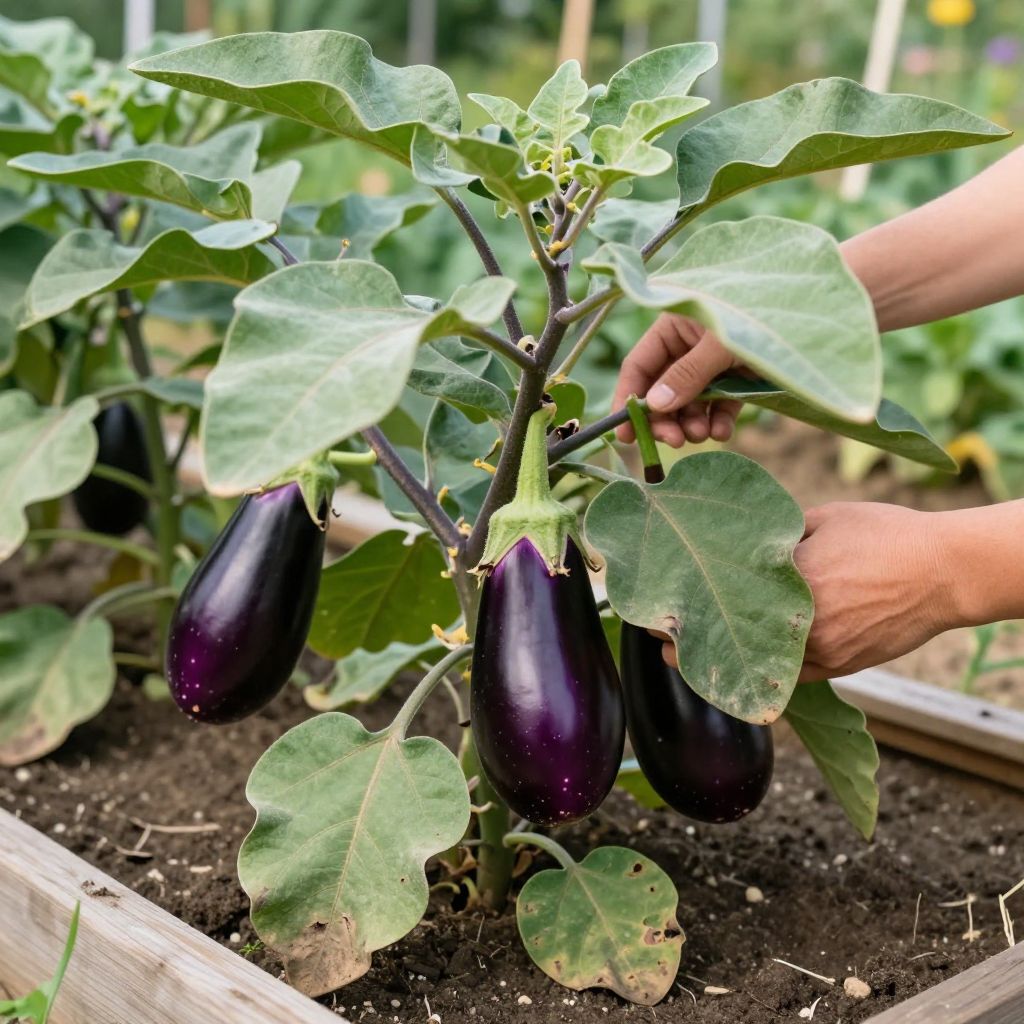
When is eggplant in season? For most gardeners, eggplant is a warm-season crop that peaks in late summer through early fall, though the exact window depends on your climate, planting date, and variety. In stores, you may see it year-round, but field-grown eggplant tastes best when it’s harvested at the right stage during warm weather.
If you grow it yourself, timing matters from seed to harvest. Eggplant needs heat, long days, and steady care, so the season is less about a calendar date and more about matching your local frost dates and summer temperatures.
When is eggplant in season?
Eggplant is typically in season from midsummer through early fall in temperate climates, with the best harvests coming during the warmest part of the growing season. In frost-free or long-season regions, it can produce for months. For home gardeners, the season starts when nights stay warm and ends when cool weather slows flowering and fruit set.
Understanding eggplant’s growing season
Eggplant (Solanum melongena) is a heat-loving vegetable. It grows best when daytime temperatures are warm and nights are consistently mild, which is why it often lags behind tomatoes and peppers in spring but shines later in summer.
The plant does not tolerate frost, and growth slows sharply when temperatures cool. That means the “season” for eggplant is usually defined by warm soil, active flowering, and steady fruit development rather than by a single harvest month.
Typical seasonal pattern
- Spring: Start seeds indoors or set out transplants after frost danger passes.
- Early summer: Plants establish roots and begin vegetative growth.
- Midsummer: Flowering and fruit set increase as heat builds.
- Late summer to early fall: Peak harvest season in many gardens.
- Cool fall weather: Production slows or stops after temperatures drop.
What affects when eggplant is ready to harvest?
Several factors change the timing of eggplant season in your garden. The biggest are your climate, the variety you grow, and whether you started from seed or bought transplants. A short, cool summer may only give you a brief harvest window, while a long warm season can stretch production well into fall.
Climate and frost dates
Eggplant should go outdoors only after the last frost date, when soil and air temperatures are reliably warm. In cooler regions, this may mean a short outdoor season unless you start early indoors and use season extension such as row cover or a warm microclimate.
Variety maturity
Different eggplant varieties mature at different speeds. Some early types can produce sooner, while larger-fruited varieties often need more time. Check the seed packet or plant tag for “days to maturity,” but remember that local weather can speed up or delay harvest.
Seedlings versus direct sowing
Most gardeners start eggplant indoors because it needs a long, warm season. Transplants give you a head start and usually lengthen the harvest window. Direct sowing is possible only in very warm climates with a long growing season and consistently warm soil.
How to grow eggplant for the best season-long harvest
If you want eggplant to be in season in your garden for as long as possible, focus on strong early growth and consistent care. Healthy plants that start well in warm soil are more likely to flower on time and keep producing through the hottest part of summer.
Start with the right site
- Choose a spot with full sun, ideally 6 to 8 hours or more each day.
- Use well-drained soil that does not stay soggy after rain.
- Work in compost to improve soil structure and moisture retention.
- Avoid low spots where cold air settles in spring.
Prepare the soil
Eggplant prefers fertile, loose soil with good drainage. Compost helps improve both nutrition and texture, especially in heavy clay or sandy soil. If your soil compacts easily, consider raised beds or mounded rows to warm up faster and drain better.
Before planting, remove weeds and loosen the top layer of soil so roots can spread easily. A garden soil test is useful if plants have struggled before, since poor nutrient balance can delay flowering and reduce fruit set.
Plant at the right time
Set transplants out only after nights are warm and frost risk has passed. If you plant too early, cold soil can stunt growth and delay the season instead of extending it. Harden off seedlings gradually for about a week before transplanting so they adjust to outdoor conditions.
- Wait until the weather is settled and warm.
- Prepare the bed with compost and loose soil.
- Plant seedlings at the same depth they were growing in pots.
- Water deeply after planting.
- Mulch after the soil has warmed to help conserve moisture.
Keep plants growing steadily
Eggplant performs best with even moisture. Irregular watering can stress the plant, slow flowering, and lead to poor fruit quality. Water at the base of the plant rather than overhead when possible, and aim for moist, not waterlogged, soil.
Mulch helps stabilize soil moisture and suppress weeds, but wait until the soil warms before applying it heavily in spring. In cooler climates, black plastic or landscape fabric can also help warm the root zone earlier in the season.
When to harvest eggplant for peak flavor
Eggplant is usually best harvested while the skin is glossy and the fruit is firm but not hard. If you wait too long, the skin may dull, the seeds become more noticeable, and the flesh can turn spongy or bitter. Harvesting regularly also encourages the plant to keep producing.
Signs it is ready
- The skin looks shiny and richly colored.
- The fruit feels firm with a slight give, not soft or wrinkled.
- The size matches the variety’s expected harvest stage.
- The stem and calyx are still green and healthy.
Use a sharp knife or pruners to cut the fruit, leaving a short stem attached. Pulling can damage the plant and reduce future harvests. Check plants every few days during peak season because fruit can size up quickly in warm weather.
Common problems that can shorten eggplant season
Sometimes eggplant seems “out of season” in the garden because plants are alive but not producing well. Usually the issue is temperature, water stress, or pests rather than the calendar itself. Catching problems early can keep the plant productive longer.
Poor fruit set
Eggplant flowers may drop without setting fruit if nights are too cool, days are extremely hot, or plants are stressed. In cool weather, wait for warmer conditions. In very hot weather, keep soil evenly moist and avoid excess nitrogen, which can push leafy growth instead of flowers.
Insect damage
Flea beetles are a common early-season pest, especially on young plants. They create small holes in leaves and can weaken seedlings. Row covers can help protect young plants until flowering begins, and healthy, vigorous transplants usually recover better than stressed ones.
Aphids, spider mites, and Colorado potato beetles may also appear depending on your region. Inspect the undersides of leaves regularly, and remove heavily damaged leaves if needed. Good airflow and clean garden beds reduce pest pressure.
Diseases and stress
Fungal problems are more likely when plants are crowded, overwatered, or splashed repeatedly by overhead watering. Space plants well, water at the soil line, and avoid letting leaves stay wet overnight. Crop rotation also helps reduce soil-borne disease buildup.
How to extend the eggplant season
If your climate has a short summer, you can often stretch the season with a few practical steps. The goal is to give the plant more warmth early and protect it from sudden cool spells later.
- Start seeds indoors 6 to 10 weeks before your last frost date.
- Use black mulch or raised beds to warm soil faster.
- Protect young plants with row cover during cool nights.
- Choose early-maturing varieties suited to your region.
- Harvest regularly so plants keep flowering.
- Remove damaged leaves and keep weeds down to reduce stress.
Indoor starts versus outdoor timing
Starting indoors is one of the best ways to make eggplant season longer in cool regions. It gives seedlings a head start while outdoor soil is still too cold. Just remember that leggy, overgrown seedlings often transplant poorly, so provide strong light and avoid starting them too early.
Growing eggplant in containers
Containers can help you control the season more precisely, especially if your garden soil is poor or your climate is cool. A large pot warms faster than ground soil and can be moved to the sunniest, warmest spot you have.
Use a container with drainage holes and a high-quality potting mix that drains well but still holds moisture. Container plants dry out faster than in-ground plants, so check them often during hot weather. Consistent watering is especially important once fruits begin forming.
Quick seasonal checklist for gardeners
- Wait for warm weather and no frost before transplanting.
- Give plants full sun and well-drained soil.
- Keep moisture steady from planting through harvest.
- Watch for pests early, especially on young plants.
- Pick fruits while they are glossy and firm.
- Continue harvesting to encourage more fruit.
Conclusion
Eggplant is in season when warm weather, healthy plants, and timely harvests all line up, usually from midsummer into early fall. If you want the best flavor and the longest harvest, plan around your local frost dates, start with strong transplants, and pick fruits while they are still glossy and tender.
If you want to time harvests more precisely, you may also find these guides helpful: when to harvest eggplant and when to pick eggplant.