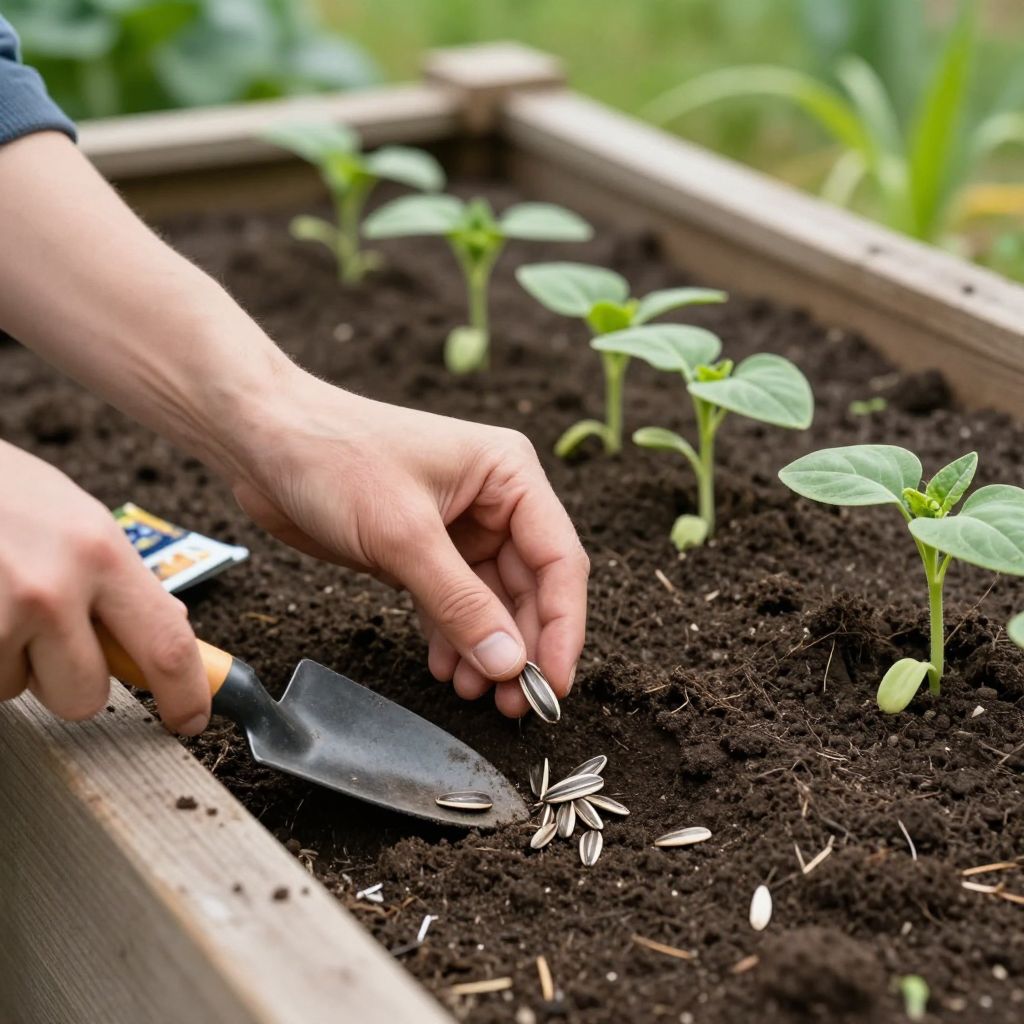
When do you plant sunflower seeds? The short answer is: plant them outdoors after the last frost, once the soil has warmed and the weather is reliably mild. Sunflowers germinate quickly in warm soil, but cold, wet conditions can rot seeds or stunt seedlings.
If you want strong stems, bigger blooms, and fewer losses to birds or rot, timing matters as much as planting depth and sunlight. The best planting window depends on your local climate, whether you’re sowing directly in the garden or starting indoors, and which sunflower type you’re growing.
When do you plant sunflower seeds?
Plant sunflower seeds outdoors in spring after the danger of frost has passed and soil temperatures are at least about 50°F, with 55°F to 60°F being even better for quick germination. In cooler climates, wait a little longer rather than sowing into cold, soggy soil. In warm regions, you can often sow from spring into early summer for a longer bloom season.
Why timing matters for sunflower seeds
Sunflowers are fast growers, but they do not like cold, wet starts. Seeds planted too early may rot before sprouting, while seedlings exposed to frost can be damaged or killed.
Good timing helps you get:
- Faster germination
- Stronger root development
- Better stem strength
- More even flowering
- Less pest and rot pressure
Sunflowers also respond to day length and heat. In many gardens, seeds planted in the right seasonal window grow more vigorously than very early sowings that sit in cold soil.
The best planting window by season
Spring: the main planting season
Spring is the best time to plant sunflower seeds in most climates. Wait until the soil has warmed and nighttime temperatures are no longer regularly dipping toward frost.
A practical rule: if you can comfortably work the soil and it is no longer cold and waterlogged, you are usually close to the right time. If you are unsure, delay a week and check again.
Early summer: still a good option
You can often plant sunflower seeds in early summer, especially if you want blooms later in the season or missed the spring window. In warm climates, succession sowing every 1 to 2 weeks can extend flowering.
Just keep in mind that very late sowings may bloom later than expected or struggle if your season ends early with heat stress, drought, or an early frost.
Fall: usually not ideal outdoors
In most regions, fall is too late for direct sowing sunflower seeds outdoors. The plants need warm weather to establish and bloom before cold arrives.
In frost-free climates, some gardeners can sow in fall for winter or early spring blooms, but this depends heavily on local conditions and is not a universal recommendation.
Direct sowing vs. starting sunflower seeds indoors
Direct sowing outdoors
Direct sowing is the easiest and most reliable method for most sunflower varieties. Sunflowers develop a strong taproot and often do better when they are planted where they will grow.
This is usually the best choice if you have a reasonably long growing season and want sturdy, low-fuss plants.
Starting indoors
You can start sunflower seeds indoors, but it is usually only helpful if your season is short or you want an early start with a tall variety. Use deep containers, because sunflower roots grow quickly and dislike being cramped.
Transplant them carefully and move them outside before they become rootbound. If you wait too long, they may transplant poorly.
Important: Many gardeners find direct sowing simpler and more successful than indoor starting for sunflowers.
How to know your soil is ready
Sunflower seeds germinate best in warm, well-drained soil. If the ground is still cold, sticky, or stays wet for long periods after rain, wait before planting.
Signs your soil is ready include:
- It crumbles rather than clumps heavily
- It drains within a reasonable time after watering or rain
- It feels cool, not cold and soggy
- Weeds and other spring plants are actively growing
If your soil is heavy clay, warming and drainage may lag behind air temperatures. Raised beds or a slightly elevated planting area can help.
How to plant sunflower seeds correctly
Once the timing is right, planting is straightforward. Sunflowers prefer full sun and a spot with room for roots and height.
- Choose a site with at least 6 to 8 hours of direct sunlight.
- Loosen the soil and remove large stones or weeds.
- Mix in compost if the soil is poor or very compacted.
- Plant seeds about 1 inch deep, or a little deeper in very dry soil.
- Space seeds according to the mature size of the variety.
- Water gently after planting and keep the soil evenly moist until sprouting.
For tall sunflowers, give them enough spacing to reduce competition and improve air circulation. Crowded plants are more likely to lean, tangle, or develop disease issues.
What kind of soil do sunflowers like?
Sunflowers are adaptable, but they grow best in loose, fertile, well-drained soil. They do not want to sit in waterlogged ground, and they usually perform better in soil that is not overly rich in nitrogen.
Too much nitrogen can encourage leafy growth at the expense of flowers and may make tall plants more likely to flop. Compost is usually enough for average garden soil.
If your soil is very poor, a modest amount of compost mixed into the top layer can improve structure and moisture retention without making the bed overly lush.
Watering after planting and during growth
After sowing, keep the top layer of soil lightly moist until seedlings emerge. Once plants are established, water deeply but not constantly.
Young seedlings are the most vulnerable stage. Letting them dry out completely can slow growth, but overwatering can cause rot or weak roots.
As plants mature, they usually become more drought-tolerant. Still, consistent moisture during bud formation and flowering helps the plants perform better, especially in hot weather.
Sunflower seed timing by climate
Cool climates
If you live in a cool region with a short growing season, wait until late spring when frost risk is past and the soil has warmed. You may also benefit from choosing earlier-flowering varieties so they have time to bloom before fall.
Temperate climates
In many temperate gardens, sunflower seeds are planted from mid-spring into early summer. If summers are long enough, you can sow in waves for repeated blooms.
Hot climates
In very hot areas, early spring is often the best time to plant before extreme heat sets in. In some regions, a fall planting can also work if winters are mild and frost is not a concern.
Best practice: Use local frost dates and soil temperature, not the calendar alone, to decide when to plant.
Common mistakes to avoid
- Planting too early in cold, wet soil
- Starting seeds too deep, which can delay or prevent emergence
- Overcrowding plants and reducing airflow
- Using a shady location
- Overfertilizing with high-nitrogen amendments
- Letting seedlings dry out right after germination
Another common mistake is transplanting too late from indoor pots. Sunflower roots grow fast, so if you start indoors, move them out promptly.
Pests, birds, and disease problems linked to timing
Planting at the right time can reduce some sunflower problems, though it will not eliminate them.
Birds and seed loss
Birds may dig up newly planted seeds or eat young seedlings. If this is a problem in your garden, cover the area lightly with netting or row cover until the seedlings are established.
Slugs and damp-soil issues
Cool, wet conditions can invite slugs and increase the risk of seed rot. Waiting for warmer, drier soil often reduces these problems.
Fungal diseases
Poor airflow, crowded plants, and consistently wet foliage can contribute to fungal issues. Space plants well and water at the base rather than soaking leaves.
How to tell if it’s too late to plant sunflower seeds
It may be too late if your expected bloom window would fall into cold weather or if the plants would not have enough time to mature before frost. This is especially important for tall varieties that need a longer season.
If you are late, consider faster-maturing sunflower types or choose a smaller ornamental variety that can still flower before season’s end. In warm climates, late sowing is more forgiving than in short-season regions.
Harvesting and saving seeds
If you grow sunflowers for seed, let the flower heads mature on the plant until the back of the head turns yellow-brown and the seeds look plump. Protect ripening heads from birds if needed.
Cut the head when the seeds are mature but before they are lost to wildlife or weather. Dry it in a sheltered, airy place before removing the seeds.
For saving seed, choose open-pollinated varieties rather than hybrids if you want plants that are more likely to come true from saved seed.
Quick answer: the best time to plant sunflower seeds
If you want the simplest rule, plant sunflower seeds outdoors in spring after the last frost, when soil has warmed and the ground drains well. In many gardens, that means a few weeks after frost danger has passed. If your climate is mild, you may be able to sow into early summer for later blooms.
If you’re planning your garden now, check your local frost dates, choose a sunny spot, and wait for warm soil before sowing. For more seasonal planting tips, you may also want to read about how to start seeds indoors and choosing the best garden soil for flowers.