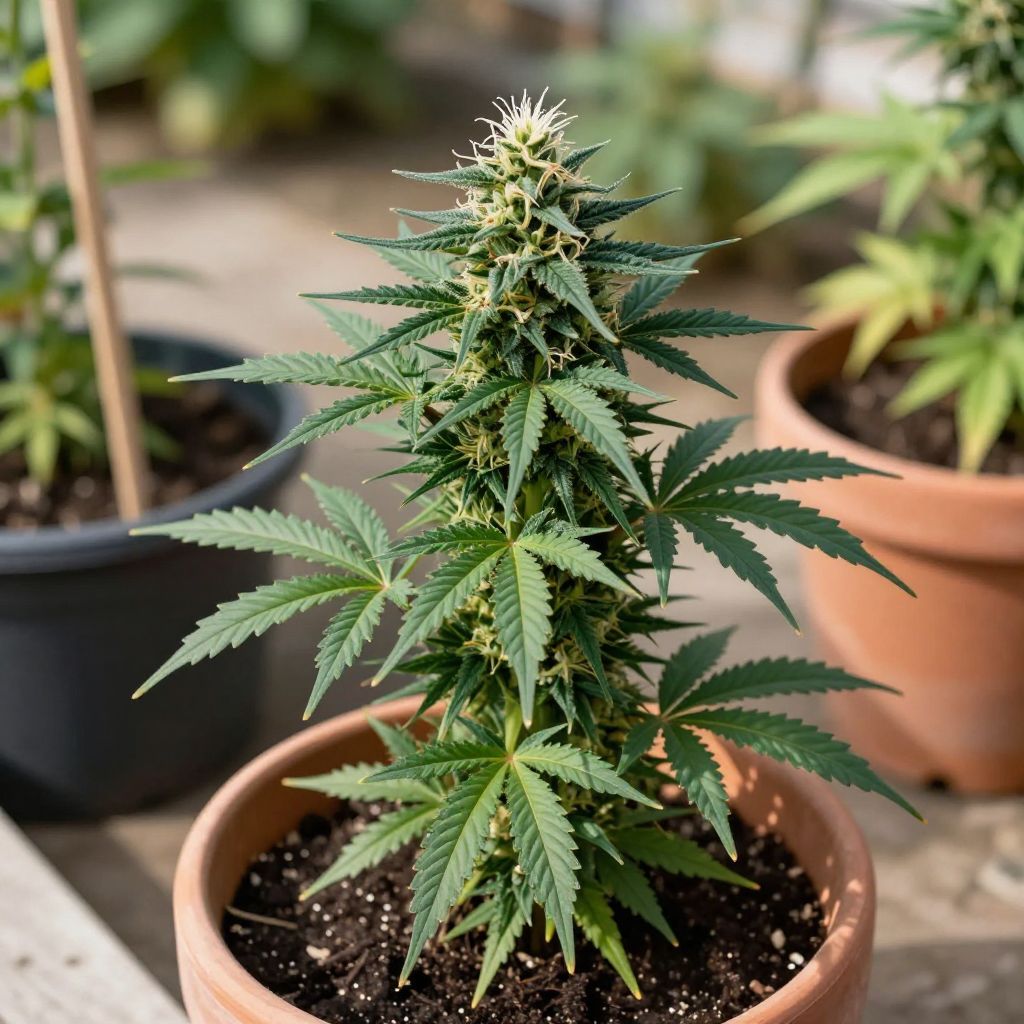
When do autoflowers start flowering? If you’re growing autoflowering cannabis, the short answer is that they usually begin flowering on their own after a few weeks of vegetative growth, often around weeks 3 to 5 from germination, depending on genetics and growing conditions.
Because autoflowers are driven more by age than by day length, your job is to keep them healthy early so they can transition smoothly. Light, temperature, root space, watering, and stress all affect how quickly they move into bloom and how well they perform once they do.
When do autoflowers start flowering?
Autoflowers typically start flowering about 3 to 5 weeks after sprouting, though some begin a little earlier or later. They do not wait for a change in light cycle the way photoperiod plants do, so the onset of flowering depends mainly on plant maturity, genetics, and growing conditions.
What controls flowering time in autoflowers?
Autoflowers are bred from Cannabis ruderalis genetics, which means flowering is triggered by age rather than day length. That makes them predictable in one sense, but still variable in real gardens because stress, slow growth, or poor root development can delay the transition.
Genetics matter
Different autoflower strains can start blooming at different ages. Some compact varieties initiate flower very early, while others stay in vegetative growth a bit longer before switching.
Plant health matters too
A healthy seedling with strong light, stable warmth, and good drainage is more likely to flower on schedule. A stressed plant may stay small, stall, or show a delayed bloom start.
Typical flowering timeline for autoflowers
Most growers see a rough pattern like this:
- Week 1: Germination and seedling emergence
- Weeks 2 to 3: Rapid vegetative growth begins
- Weeks 3 to 5: Pre-flower signs and first flowering sites often appear
- Weeks 5 to 8+: Full flowering, depending on the variety
This is only a general guide. Some autoflowers begin showing pistils earlier, while others need more time before they visibly stretch and bloom.
How to tell flowering is starting
Look for small white pistils at the nodes, where branches meet the main stem. You may also notice the plant stretching a little as it shifts from leaf production to flower formation.
Indoor vs outdoor timing
Indoor and outdoor autoflowers follow the same age-based flowering trigger, but the environment changes how fast they reach it. Outdoors, seasonal conditions can speed up or slow down early growth. Indoors, you have more control over light and temperature, so timing is often more consistent.
Indoor growing
Indoors, autoflowers can start flowering on schedule if you provide steady light, usually a long daily photoperiod such as 18 hours on and 6 hours off, though growers use other schedules too. What matters most is consistency and enough light intensity for healthy early growth.
Outdoor growing
Outdoors, spring weather, cool nights, low light levels, or a short growing season can slow early development. If you start too early in cold soil or poor light, the plant may remain small by the time flowering begins.
How to help autoflowers flower on time
You cannot force an autoflower to bloom earlier with a light-cycle change, but you can avoid delays. The goal is to reduce stress during the first few weeks so the plant reaches flowering size on time.
- Start in the final container when possible. Autoflowers dislike repeated transplant shock, which can stunt growth and shorten the plant’s productive life.
- Use a light, airy growing medium. Good drainage and oxygen around the roots help young plants establish quickly.
- Keep watering moderate. Overwatering is one of the most common reasons seedlings stall.
- Maintain stable warmth. Cool conditions slow metabolism and root growth.
- Provide strong light from the start. Weak light leads to leggy seedlings and delayed development.
- Avoid heavy pruning early on. Autoflowers have a short life cycle, so recovery time matters.
Soil and container basics
Use a container with excellent drainage holes and a medium that stays moist without becoming soggy. A loose potting mix with added perlite or similar aeration material is often easier for beginners than a dense, compact soil.
If you amend with compost, keep it moderate and well finished. Overly rich soil can stress young autoflowers, especially if the medium holds too much water or releases nutrients too quickly.
Common mistakes that delay flowering
Most flowering delays come from early stress, not from the plant “refusing” to bloom. If your autoflower is slow, check the basics first.
- Overwatering: Wet soil limits oxygen and slows root expansion.
- Underwatering: Repeated drought stress can stunt growth and reduce flower size.
- Transplant shock: Damaged roots can set the plant back for days or longer.
- Low light: Weak light produces slow, stretched growth.
- Cold temperatures: Cool conditions often slow flowering onset.
- Excessive feeding: Too much fertilizer can burn roots and delay healthy growth.
What to do if flowering seems late
If your autoflower is past the usual 3-to-5-week window and still not flowering, do a quick diagnosis:
- Check that the plant is getting enough light.
- Inspect the soil moisture and drainage.
- Look for root binding in a small pot.
- Review whether the plant has been stressed by pruning, pests, or temperature swings.
Often the best fix is simply better growing conditions and patience. Once an autoflower begins the bloom transition, it usually continues on its own schedule.
Watering, feeding, and support during the transition
The shift into flowering is a sensitive stage. The plant is still building roots and stems while also preparing buds, so avoid sudden changes.
Watering
Water when the top layer of the medium begins to dry, rather than on a fixed calendar. In containers, lifting the pot can help you judge moisture more accurately than watering by the clock.
Feeding
Use a balanced, gentle approach early on. As flowering begins, many growers reduce nitrogen-heavy feeding and avoid overdoing nutrients. The exact approach depends on your medium and product, so follow the label cautiously and watch the plant’s response.
Training and pruning
Light training can be useful if done early, but avoid heavy stress once flowering starts. Autoflowers have limited time to recover, so aggressive topping or major pruning can reduce overall growth.
Pests and disease during early flowering
Young autoflowers can be vulnerable to pests and moisture-related problems, especially if conditions are crowded or damp. Early detection matters because flowering plants have less time to bounce back.
Watch for these issues
- Fungus gnats in overly wet soil
- Aphids or mites on tender new growth
- Mildew in stagnant, humid spaces
- Root rot from poor drainage
Good airflow, clean tools, and careful watering are the simplest preventive measures. Remove badly damaged leaves only if necessary and avoid stressing the plant further.
How seasonal timing affects outdoor autoflowers
Outdoors, the best time to start autoflowers is when your local weather is reliably mild and frost risk has passed. Because they flower by age, not day length, they can be a useful option for short seasons, but only if early growth is strong.
In cooler climates, starting too early can slow seedlings and reduce vigor. In hot climates, extreme heat and drying winds can also stress young plants. Choose a planting window that gives the plant several weeks of stable conditions before flowering begins.
Outdoor placement tips
- Give the plant full sun where possible.
- Protect it from strong wind if stems are still thin.
- Use a container or bed with excellent drainage.
- Avoid waterlogged ground after rain.
Harvest timing after flowering starts
Once flowering begins, the plant still needs time to finish. The total life cycle for many autoflowers is often around 8 to 12 weeks from seed, but this varies widely by genetics and growing conditions.
Do not use the first sign of pistils as a harvest cue. Flowering start simply means the plant has entered bloom, not that it is ready to cut. Keep observing bud development, trichome maturity, and overall plant health as the cycle progresses.
Quick checklist for healthy autoflower flowering
- Start with fresh, viable seed.
- Use a well-draining medium and container.
- Keep light strong and consistent.
- Water carefully to avoid soggy roots.
- Minimize transplant and training stress.
- Watch for early pistils around weeks 3 to 5.
- Adjust care to your climate, not a fixed calendar.
Conclusion
When do autoflowers start flowering? Usually within a few weeks of germination, but the exact timing depends on genetics and growing conditions. If you keep the plant unstressed, well lit, and properly watered, it will usually switch to bloom on its own schedule.
For more seasonal growing guidance, you may also find it helpful to read about when flowering starts outdoors and when to plant tomato seeds indoors.