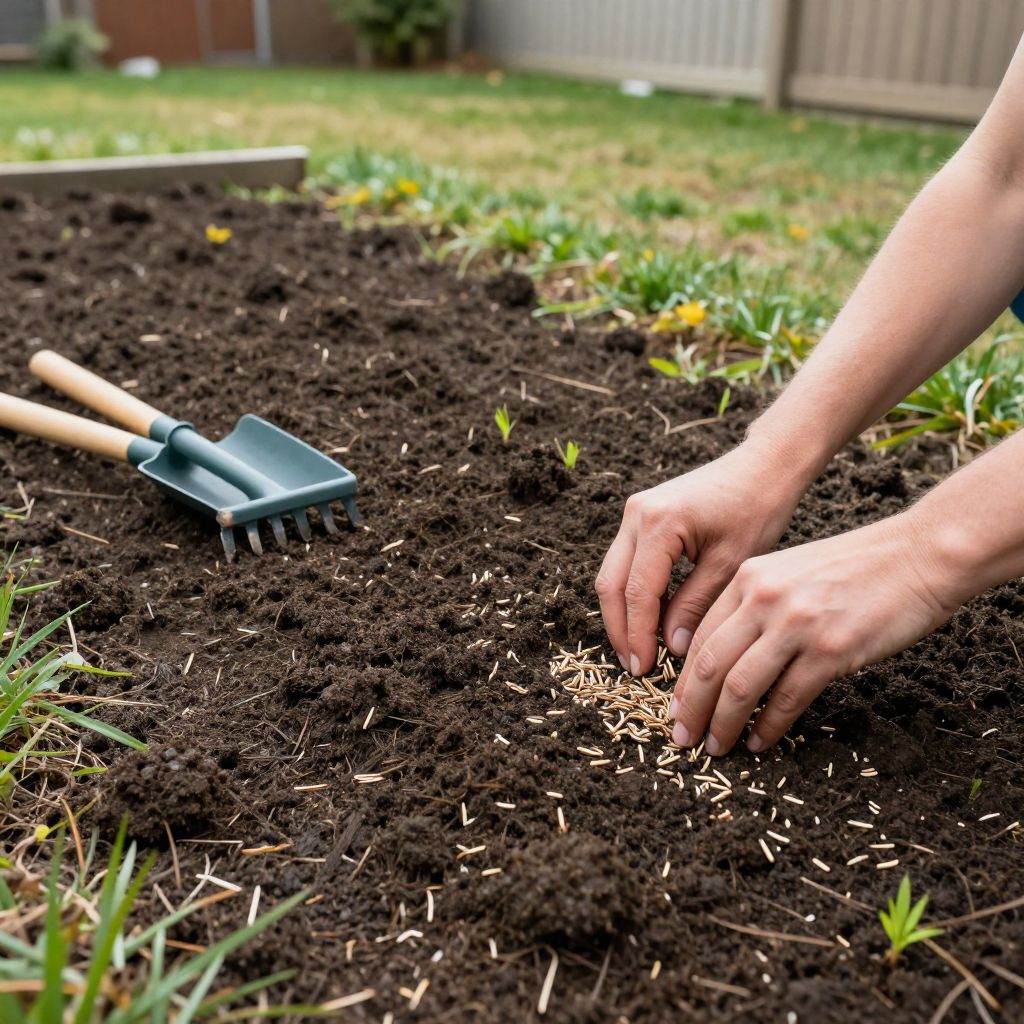
Wondering when to plant grass so it actually takes root and fills in evenly? The best time depends on whether you’re sowing cool-season or warm-season grass, but the goal is the same: match planting to active growth, mild weather, and reliable moisture.
Planting at the right time gives seed or sod the best chance to establish before heat, cold, drought, or weeds become a problem. If you time it well and prepare the soil properly, you’ll need less watering, fewer repairs, and less frustration later.
When to plant grass?
The best time to plant grass is when your chosen grass type is actively growing and the weather is mild. In most regions, cool-season grasses are planted in late summer to early fall, while warm-season grasses are planted in late spring to early summer after the soil has warmed.
Know your grass type first
“Grass” covers several lawn grasses, and the planting window changes depending on the type. If you plant the wrong grass at the wrong time, germination slows, roots form poorly, and young plants struggle with heat, cold, or competition from weeds.
Cool-season grasses
These grasses grow best in cooler temperatures and are usually planted in late summer through mid-fall. Common examples include Kentucky bluegrass, perennial ryegrass, tall fescue, and fine fescues.
Fall planting is usually ideal because the soil is still warm enough for germination, air temperatures are cooler, and weeds are less aggressive than in spring.
Warm-season grasses
These grasses prefer heat and are usually planted in late spring through early summer, once the soil is consistently warm. Common examples include Bermuda grass, zoysia grass, St. Augustine grass, and centipede grass.
Planting too early in cool soil can lead to poor germination or slow rooting, especially for seed that needs warmth to sprout well.
Best planting times by season
Late summer to early fall: best for many lawns
For most cool-season lawns, this is the strongest planting window. Soil warmth supports germination, cooler nights reduce stress, and seedlings have time to establish before winter.
This timing also gives you a better chance of fewer weeds, since many annual weeds are past their peak by late summer.
Spring: useful, but less forgiving
Spring can work for cool-season grass, but young seedlings often face more weed pressure, warming temperatures, and summer heat before they are fully established. If you plant in spring, be ready for extra watering and careful weed control.
For warm-season grasses, spring is often the best choice because the soil is warming and the grass can grow quickly through the hottest months.
Late spring to early summer: best for warm-season lawns
Warm-season grasses usually need consistently warm soil to perform well. Planting after frost danger has passed and the soil has warmed gives them a strong start.
Delaying too long into midsummer can still work, but young grass may need more water and protection from heat stress.
Winter: usually not the right time
Most lawns should not be seeded or sodded in frozen or cold, inactive soil. Seed may sit without sprouting, and sod may fail to root before weather turns harsh.
In mild climates, winter planting may be possible for some warm-season grasses or overseeding projects, but local conditions matter a lot.
How to tell if it’s the right planting window
Instead of relying only on the calendar, watch your soil and weather. The right time to plant grass is when conditions support fast germination, steady growth, and manageable moisture.
- Soil temperature is appropriate for your grass type.
- Daytime weather is mild, not extreme.
- Rainfall or irrigation can keep the seedbed evenly moist.
- Weed pressure is lower than it is in peak spring.
- You can keep foot traffic off the area while it establishes.
If you’re unsure, check local extension guidance or a soil thermometer. Soil temperature is often more useful than air temperature for lawn planting decisions.
Preparing the ground before you plant
Good timing helps, but preparation matters just as much. Grass seed and sod need firm contact with soil, enough oxygen for roots, and a clean, level surface.
Start with soil testing if possible
A soil test can tell you whether your lawn needs lime, compost, or other amendments. It also helps you avoid guessing, especially if your grass has struggled before.
If you can’t test right away, at least check drainage and soil texture. Grass grows poorly in compacted soil, heavy clay that stays wet, or very sandy soil that dries too quickly.
Improve the seedbed
- Remove rocks, sticks, and dead turf.
- Loosen the top 2 to 3 inches of soil where seed will sit.
- Rake the surface smooth and level.
- Add a thin layer of compost if the soil is poor or thin.
- Firm the area lightly so the surface is not fluffy.
A thin compost topdressing can improve moisture retention and soil structure, but avoid burying seed under too much material. Seed needs close soil contact, not deep coverage.
Fix drainage problems first
If water puddles after rain, planting grass may fail no matter when you do it. Grass roots need air as well as water, and constantly soggy soil encourages disease and weak growth.
For minor drainage issues, shallow grading, compost incorporation, or aeration may help. For severe low spots or runoff problems, you may need to regrade the area before planting.
How to plant grass seed successfully
Seed is the most common way to start a lawn or repair thin areas. The key is even coverage, consistent moisture, and patience while the grass establishes.
- Choose a grass species suited to your climate, sun, and soil.
- Prepare the soil and remove weeds.
- Spread seed evenly with a broadcast or drop spreader.
- Lightly rake so seed is just covered.
- Roll or press the seed into the soil for better contact.
- Water gently so the surface stays moist, not washed out.
Do not bury grass seed deeply. Most seed should be covered only lightly, because it needs light contact with soil and access to air for germination.
How much water does new seed need?
New seed usually needs frequent light watering at first to keep the top layer of soil from drying out. The exact amount depends on weather, soil type, and slope, but the goal is consistent moisture without puddling.
Once seedlings emerge, gradually water less often but more deeply so roots grow downward. This transition is important for building a tougher lawn.
When to plant sod instead of seed
Sod can be installed during much of the growing season if you can keep it watered and the weather is not extreme. It gives you an instant lawn, but it still needs time to root into the soil below.
Cool-season sod is often best installed in early fall or spring. Warm-season sod is usually installed in late spring through summer when temperatures support rooting.
Sod installation tips
- Lay sod on moist soil, not dry dust.
- Stagger seams like bricks to reduce gaps.
- Press edges tightly together without overlapping.
- Water immediately after installation.
- Avoid heavy foot traffic until the sod roots in.
If sod lifts easily after a few days, it likely needs more consistent watering or better soil contact. If edges dry out, they can shrink and leave visible seams.
Common mistakes to avoid
Many lawn failures come from timing mistakes rather than bad seed. Avoiding a few common problems can make a big difference.
- Planting too early in cold soil, which slows or stops germination.
- Planting too late in the season, leaving seedlings exposed to heat or frost.
- Skipping soil preparation and planting into compacted ground.
- Letting the seedbed dry out during germination.
- Using the wrong grass type for your climate or sunlight.
- Applying heavy fertilizer too soon, which can burn seedlings or push weak growth.
Another common mistake is mowing too early. Wait until new grass is tall enough to be cut without pulling out of the soil, and use a sharp mower blade.
What if your lawn is patchy or thin?
You do not always need to start over. If most of the lawn is healthy, overseeding thin areas at the right time can improve density and reduce weeds.
Overseeding tips
- Mow shorter than usual before overseeding.
- Rake out dead grass and debris.
- Loosen the surface slightly so seed can settle in.
- Keep the area evenly moist until seedlings emerge.
Overseeding works best when the existing turf is still active and the weather supports new growth. If the lawn is badly damaged, bare, or full of weeds, renovation may be a better option.
How sunlight, shade, and traffic affect timing
Even the best planting window won’t help if the site conditions are wrong. Grass needs enough light, and young seedlings are especially sensitive to shade and trampling.
Most lawn grasses prefer at least several hours of direct sun, though some fescues tolerate more shade than others. If an area stays shaded, consider whether a shade-tolerant grass is appropriate or whether a groundcover would be a better fit.
Keep pets, children, and heavy equipment off newly planted areas. Foot traffic compacts soil and can crush young seedlings before they root.
How long until grass establishes?
Germination time varies by species, temperature, and moisture. Some grasses sprout in a week or two, while others take longer. Even after sprouting, lawns need several weeks to build a usable root system.
Be patient with the process. A lawn may look uneven at first, but steady watering, proper mowing, and time usually fill in the gaps.
Simple seasonal plan
If you want an easy way to remember when to plant grass, use this general guide and adjust for your climate:
- Cool-season grass: plant in late summer to early fall, or in spring if needed.
- Warm-season grass: plant in late spring to early summer after soil warms.
- Extreme heat, drought, or frost: avoid planting if you cannot maintain moisture and protect new growth.
When in doubt, choose the season when your grass type naturally grows fastest. That gives you the best chance of strong roots and fewer losses.
Conclusion
The best answer to when to plant grass is simple: plant when your grass type is actively growing and the weather is mild enough for steady establishment. Prepare the soil, keep the seedbed evenly moist, and avoid planting during extreme heat, cold, or drought.
If you’re planning your lawn now, start by identifying whether you need cool-season or warm-season grass, then choose the right planting window for your area. For more lawn care help, you may also want to read about lawn care basics and practical lawn care tips.