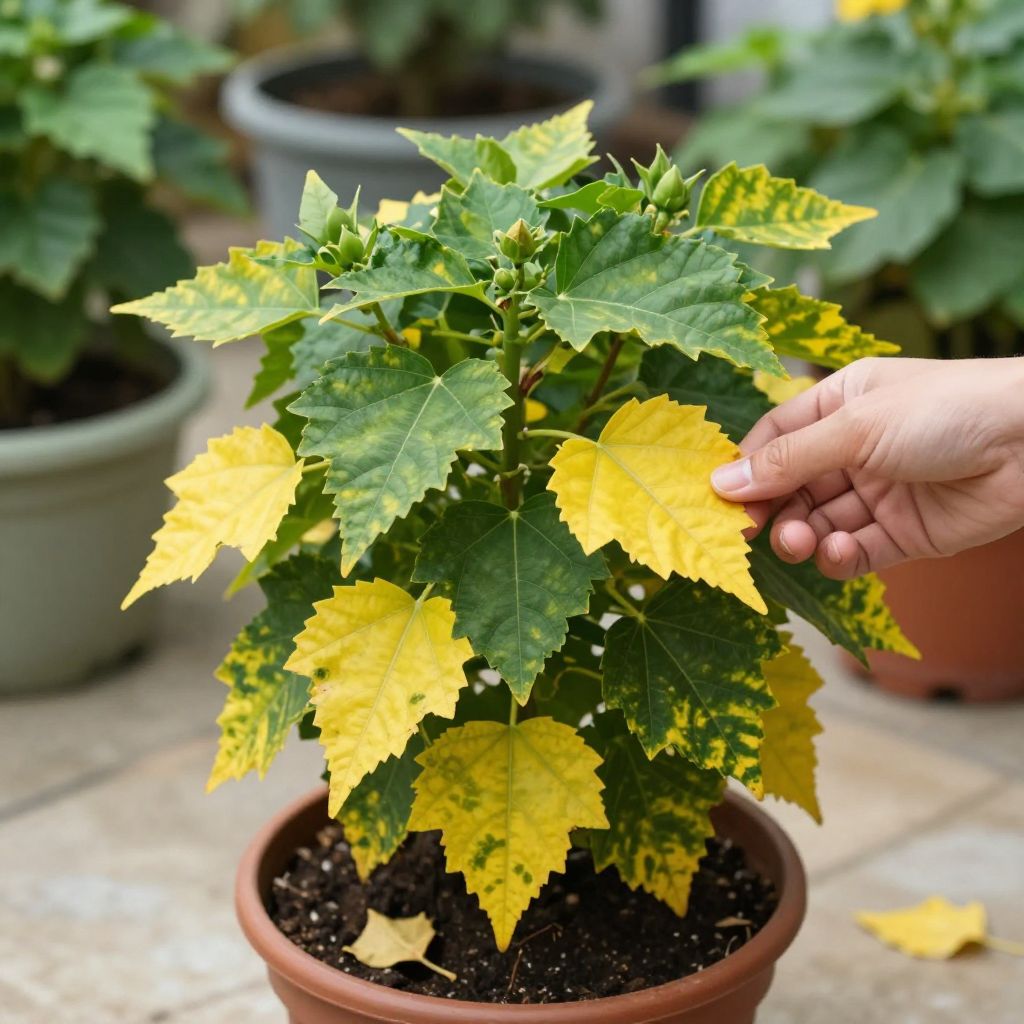
Why do hibiscus leaves turn yellow? In most cases, the plant is reacting to stress from watering problems, poor drainage, low light, nutrient issues, pests, or temperature swings. The good news is that yellow leaves are often a warning sign you can correct before the plant declines further.
The key is to look at the pattern of yellowing and the growing conditions around the plant. Hibiscus can recover well once you fix the underlying issue, but the right solution depends on whether your plant is indoors or outdoors, in a pot or in the ground, and what season it is in.
Why do hibiscus leaves turn yellow?
Hibiscus leaves usually turn yellow because the roots are stressed. The most common causes are overwatering, underwatering, poor drainage, insufficient light, nutrient deficiencies, pests such as spider mites or aphids, and cold stress. Check the soil, light, and leaf symptoms together to identify the real problem instead of guessing.
Start with the most common causes
1. Overwatering and poor drainage
Too much water is one of the most frequent reasons hibiscus leaves yellow. When roots sit in soggy soil, they cannot take up oxygen properly, and the plant begins to decline.
Signs include yellow leaves that may drop, soft stems, and soil that stays wet for days. In severe cases, the roots may smell sour or look brown and mushy.
- Check the top 2 inches of soil before watering.
- Make sure pots have drainage holes.
- Empty saucers after watering.
- Improve garden soil with compost if it drains slowly.
If your hibiscus is in a container, repot it into a well-draining mix if the soil stays wet too long. A potting mix designed for container plants, amended lightly with perlite or bark, often works better than heavy garden soil.
2. Underwatering and drought stress
Hibiscus also turns yellow when it dries out repeatedly. Leaves may yellow, curl, or look dull before they drop, especially during hot, windy weather or when a container plant dries too quickly.
Water deeply when the top layer of soil feels dry, but avoid a fixed schedule if weather changes often. Pots may need water more frequently than in-ground plants, especially in summer.
- Water until moisture reaches the root zone.
- Mulch outdoor plants to slow evaporation.
- Use your finger or a moisture meter to check soil, not just the surface.
3. Low light
Hibiscus needs plenty of light to stay green and bloom well. In too much shade, the plant may produce pale, yellowing leaves and fewer flowers.
Outdoor hibiscus generally performs best in full sun to partial sun, though intense afternoon sun in very hot climates can be stressful. Indoor hibiscus usually needs the brightest window you have, often south- or west-facing light with several hours of direct sun.
If the plant is indoors and yellowing, move it gradually to brighter light so you do not scorch the leaves. If it is outdoors, consider whether nearby trees, walls, or seasonal shade are reducing light levels.
4. Nutrient deficiencies
Yellow leaves can signal that the plant is running short on nutrients, especially nitrogen, iron, or magnesium. The pattern matters: older leaves yellowing first often suggests nitrogen shortage, while new leaves yellowing with greener veins can point to iron deficiency.
Hibiscus grown in containers is especially prone to nutrient depletion because watering leaches nutrients from the potting mix. In the ground, poor or alkaline soil can also limit nutrient uptake.
- Feed with a balanced fertilizer suitable for flowering shrubs, following the label.
- Use compost to improve soil structure and slow-release nutrition.
- If new leaves are yellow with green veins, check soil pH and iron availability.
Do not overfertilize in an attempt to “green it up” quickly. Excess fertilizer can burn roots and make yellowing worse.
5. Temperature stress and seasonal change
Hibiscus is sensitive to cold snaps, drafts, and sudden temperature swings. Yellowing may happen after a chilly night outdoors, near an air conditioner indoors, or when moving a plant from inside to outside too quickly.
Some leaf yellowing can also occur naturally as older leaves age, especially during seasonal transitions. A few yellow leaves are not always a serious problem if the plant is otherwise healthy and producing new growth.
If frost is possible, protect tender hibiscus from cold exposure. For indoor plants, keep them away from cold windows, heating vents, and drafts.
How to diagnose yellow hibiscus leaves step by step
- Check the soil moisture. Is it soggy, dry, or just slightly damp?
- Look at where the yellowing starts. Older leaves, new leaves, or the whole plant?
- Inspect the light. Is the plant getting enough sun for its location?
- Examine the undersides of leaves. Look for pests, webbing, sticky residue, or tiny insects.
- Review recent changes. Repotting, moving the plant, cold weather, or fertilizer changes can trigger yellowing.
This simple check often reveals the cause faster than treating the plant randomly. Hibiscus usually tells you what is wrong through the pattern of leaf damage.
Pests and diseases that can cause yellowing
Spider mites, aphids, and whiteflies
These pests suck sap from the leaves and weaken the plant, which can lead to yellowing, stippling, curling, or leaf drop. Spider mites are especially common in hot, dry conditions and on indoor hibiscus.
Look closely at leaf undersides and stems. Fine webbing, sticky honeydew, or clusters of tiny insects are strong clues.
- Rinse the plant with a strong spray of water.
- Remove heavily infested leaves if needed.
- Repeat treatments as necessary, since pests often rebound.
- Improve airflow around the plant.
Root rot
If the plant stays wet for too long, root rot may develop. Yellow leaves are often one of the first visible signs, followed by wilting even though the soil is moist.
If you suspect root rot, stop watering until you assess the roots. In a pot, remove the plant and inspect the root system. Healthy roots are firm and pale; damaged roots are dark, soft, and may break apart easily.
Leaf spot and fungal problems
Fungal or bacterial leaf spots can also make foliage yellow around the damaged areas. These problems are more likely when leaves stay wet for long periods, especially in humid weather or crowded planting conditions.
To reduce risk, water at the base of the plant, avoid wetting the foliage late in the day, and remove badly affected leaves. Good spacing and airflow help more than repeated spraying in many home gardens.
What to do right away when hibiscus leaves turn yellow
Once you identify the likely cause, make one or two corrections at a time. Hibiscus responds best to steady care, not drastic changes all at once.
- Adjust watering. Let overly wet soil dry slightly; water more consistently if the plant is drought-stressed.
- Improve drainage. Repot if needed or amend heavy soil carefully.
- Increase light. Move the plant to a brighter spot if it is too shaded.
- Check for pests. Treat early before the infestation spreads.
- Feed appropriately. Use a balanced fertilizer only if the plant is actively growing and not already stressed from root problems.
Remove fully yellow leaves if they come off easily, but do not strip the plant bare. A few leaves may continue to yellow as the plant recovers, especially after stress.
How to keep hibiscus leaves green and healthy
Use the right soil and container
For potted hibiscus, choose a container with drainage holes and a loose, moisture-retentive but free-draining potting mix. Heavy soil that compacts easily can suffocate roots and encourage yellowing.
For in-ground planting, aim for soil that holds moisture without staying waterlogged. Adding compost helps improve both drainage and nutrient availability over time.
Water consistently, not automatically
Hibiscus likes even moisture, but not constant saturation. The best approach is to water based on the plant’s needs, weather, and soil conditions.
During hot spells, container plants may dry quickly. In cool or cloudy weather, they may need much less water. Always check the soil first.
Feed during active growth
Hibiscus is a hungry flowering plant, especially in containers. If the soil is depleted, leaves may yellow even when watering is correct.
Use a fertilizer that supports flowering shrubs and follow the product directions. If your plant is not growing well, fix light and root issues first before increasing fertilizer.
Prune lightly for airflow
Pruning can help if the plant is crowded or leggy, because better airflow reduces disease pressure and improves light penetration. Remove dead, damaged, or crossing stems as needed.
Do not prune heavily when the plant is already stressed from yellowing leaves. Wait until it is recovering, unless you are removing diseased or broken growth.
When yellow leaves are normal
Not every yellow leaf means trouble. Older leaves near the bottom of the plant may yellow and drop as part of normal growth, especially after a flush of new foliage or during seasonal change.
If the plant is making healthy new leaves, buds, or flowers, and the yellowing is limited to a few older leaves, the problem may be minor. Watch for spread, not just the presence of one or two yellow leaves.
Conclusion
If you are wondering why do hibiscus leaves turn yellow, start with the roots, light, and moisture. Those three factors explain most cases, and they are usually the easiest to correct. Check the soil, inspect for pests, and make one careful adjustment at a time.
For more help with hibiscus care, you may also want to read why hibiscus leaves turn yellow and when to prune hibiscus plants.