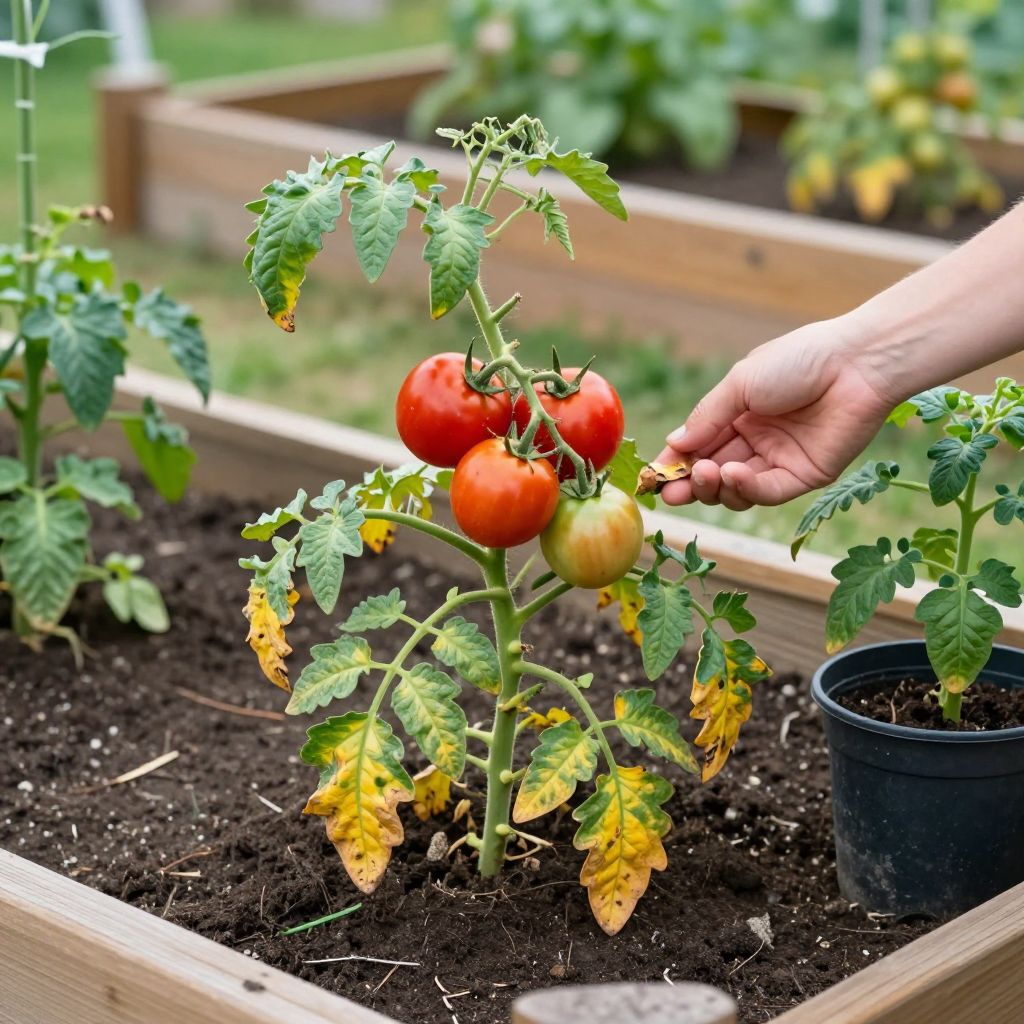
Do tomatoes grow back every year? In most gardens, the answer is no. Tomatoes are usually grown as annuals, which means they complete their life cycle in one season and are killed by frost or cold weather.
That said, tomato plants can sometimes survive longer in frost-free climates, greenhouses, or indoors, and you can also save seed or take cuttings to grow new plants from the ones you liked best.
Do tomatoes grow back every year?
Tomatoes are technically tender perennials in their native tropical climate, but in ordinary outdoor gardens they are treated as annuals. They do not reliably regrow from the same plant after winter in cold regions. If frost kills the vines, you will need to replant or overwinter them in a protected, warm space.
Why tomato plants usually do not come back
Tomato plants, Solanum lycopersicum, are frost-sensitive and decline as temperatures drop. Even before frost, cold nights slow growth, reduce flowering, and can trigger disease problems that shorten the plant’s life.
What ends a tomato plant’s season
- Frost damages leaves, stems, and fruit.
- Cool soil slows root activity and nutrient uptake.
- Late-season disease pressure builds up on aging foliage.
- Heavy fruiting can exhaust a plant that has already been stressed.
In warm climates, a tomato plant may keep growing for many months. But even then, it often becomes less productive over time and may need replacement for the best harvest.
Can tomato plants survive winter?
Yes, but only with protection. If you live where winters are mild and frost is rare, an outdoor tomato may survive for more than one season. In colder areas, you can sometimes keep a plant alive indoors, in a heated greenhouse, or by taking cuttings to root and grow as new plants.
Overwintering options
- Move potted tomatoes indoors before the first frost if you have a bright, warm spot.
- Take cuttings from healthy, non-flowering stems and root them in water or moist potting mix.
- Keep plants in a greenhouse where temperatures stay above freezing.
- Save seed from open-pollinated varieties if you want to grow the same type again next season.
Overwintering is more realistic for hobby gardeners who want to preserve a favorite plant, not for maximizing yield. A fresh, healthy spring planting usually performs better than an old plant carried through winter.
How to tell whether your tomato will regrow
If your tomato plant has been exposed to frost, it will usually not recover outdoors. If the stems are still green and flexible, and the plant is in a frost-free environment, it may continue growing. Check the crown, stems, and roots for rot, wilting, or blackened tissue.
Signs the plant is still viable
- Stems remain green inside when lightly scratched.
- Leaves are firm rather than mushy or blackened.
- Roots are white or light tan, not brown and slimy.
- New growth appears after pruning back damaged tips.
If the plant is collapsing from disease, it is usually better to remove it and start fresh. Replanting in clean soil or containers helps prevent repeat problems.
Best conditions for healthy tomatoes
Whether you are growing tomatoes for one season or trying to keep them longer, the basics matter. Tomatoes need full sun, well-drained soil, steady moisture, and good air circulation to stay productive.
Sunlight
Give tomatoes at least 6 to 8 hours of direct sun daily. More sun generally means stronger growth and better fruiting, especially outdoors.
Soil and compost
Tomatoes do best in fertile, loose soil that drains well. Mix in compost before planting to improve texture and feed the soil gradually. Heavy clay soil should be loosened and amended so roots do not sit in water.
Watering
Water deeply and consistently rather than giving frequent light sprinkles. Irregular watering can lead to blossom-end rot, fruit cracking, and stress that shortens the plant’s productive life.
- Water at the base, not over the leaves.
- Use mulch to help hold moisture and reduce splashing soil onto foliage.
- Adjust watering based on heat, rainfall, container size, and growth stage.
Support and pruning
Use stakes, cages, or trellises to keep plants off the ground. Prune lightly if needed to improve airflow, but do not remove so much foliage that fruit becomes sunscalded or the plant is stressed.
How to keep tomatoes productive longer
If you want the same tomato plant to keep producing as long as possible, the goal is to reduce stress. Healthy plants are more likely to hold on through warm weather and, in protected settings, through winter.
Practical care tips
- Remove yellowing or diseased leaves promptly.
- Keep the base of the plant clean and mulched.
- Harvest ripe fruit often so the plant can keep setting more.
- Watch for pests early, before they weaken the plant.
- Feed lightly if the soil is poor, but avoid overfertilizing with nitrogen, which can produce lots of leaves and fewer tomatoes.
In containers, tomatoes may decline faster because roots have less room and pots dry out quickly. Choose a large container with drainage holes and monitor moisture closely during hot weather.
Common problems that make tomato plants fail early
Many gardeners think a tomato “didn’t come back,” when in fact it was weakened by disease, weather, or poor growing conditions. Identifying the real cause helps you avoid the same issue next season.
Frequent trouble spots
- Frost damage: blackened, limp foliage after a cold night.
- Blight and leaf spot: browning leaves, dark lesions, and rapid decline.
- Root problems: yellowing, wilting, and stunted growth from poor drainage or overwatering.
- Pests: aphids, hornworms, whiteflies, and mites can weaken plants over time.
- Nutrient imbalance: too much nitrogen can delay fruiting; too little can stunt the plant.
How to reduce disease risk
- Rotate tomato planting areas when possible.
- Remove old plant debris at the end of the season.
- Use clean tools and healthy transplants.
- Space plants so air can move through the canopy.
- Water early in the day so leaves dry quickly if they get wet.
Saving seed or taking cuttings for next year
If your goal is to grow the same tomato again, seed saving is often the simplest approach for open-pollinated varieties. Hybrid varieties may not grow true from seed, so check the seed packet or plant label if you want the same fruit quality next season.
Taking cuttings
Cuttings are useful if you want a clone of a favorite plant. Choose a healthy stem, remove the lower leaves, and root it in water or a moist, sterile medium. Keep it warm and bright, but out of harsh direct sun until roots form.
Saving seed
- Choose fully ripe fruit from a healthy plant.
- Scoop out the seeds and pulp.
- Clean and dry the seeds thoroughly.
- Store them in a cool, dry place.
Remember that seed saving does not keep the original plant alive, but it does let you grow that tomato again next season.
When it is better to start over
Sometimes the smartest choice is to remove the old plant and begin with a fresh transplant. This is especially true if the plant is diseased, badly rootbound, or producing very little fruit.
A new tomato plant often outperforms an aging one, especially when you start it in improved soil with proper support and regular care. For many gardeners, replanting each year is simply the most reliable method.
Conclusion
So, do tomatoes grow back every year? Usually not outdoors, but they can survive longer in frost-free conditions or with careful overwintering. If you want the best results, treat tomatoes as seasonal plants, protect them from cold, and save seed or cuttings from your favorites for next year.
If you want to keep learning, you may also find it helpful to read more about whether tomato plants come back and what to plant with tomatoes for a healthier, more productive garden.