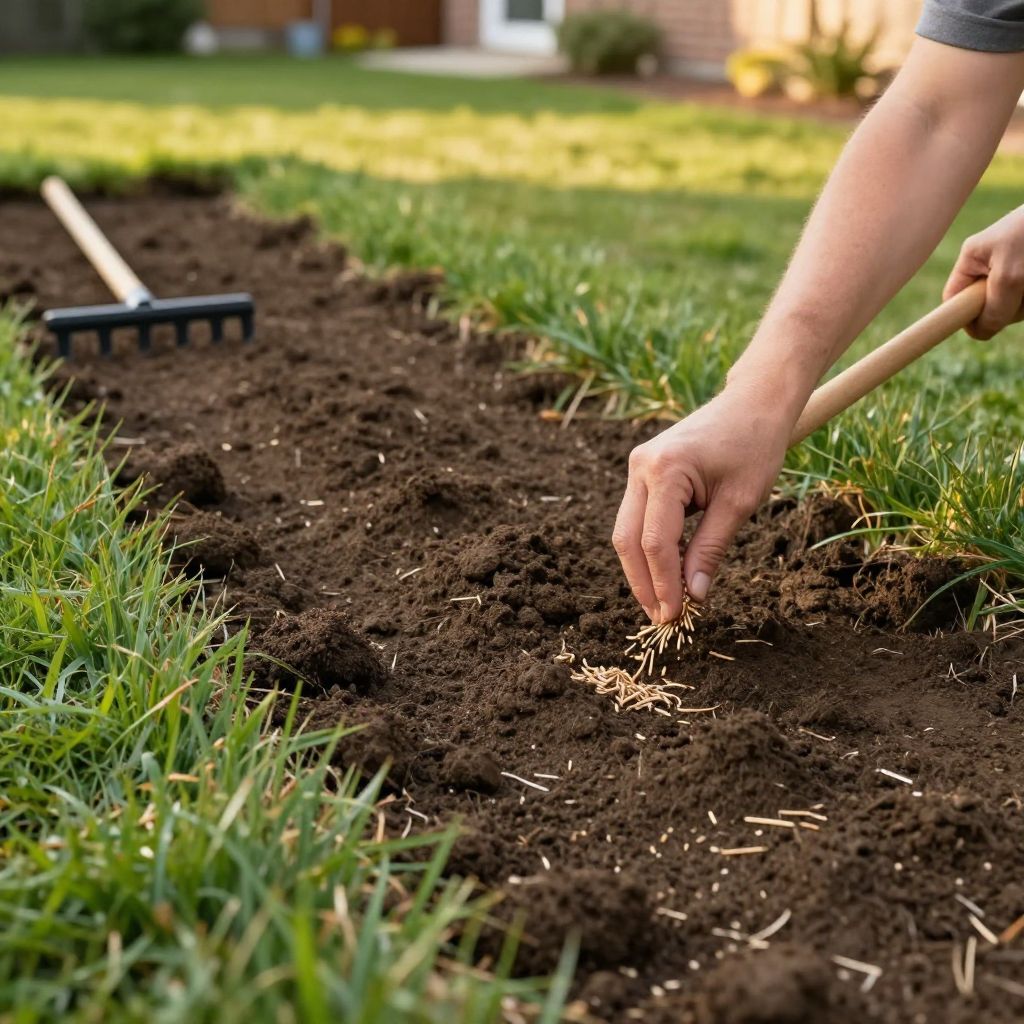
Wondering when is the best time to plant grass? The short answer is: plant cool-season grasses in early fall or early spring, and warm-season grasses in late spring to early summer, when soil temperatures support quick germination and strong root growth. The ideal timing depends on your grass type, local climate, and whether you are seeding, sodding, or overseeding.
Getting the timing right matters because young grass struggles in extreme heat, cold, or drought. A well-timed planting gives seedlings a better chance to establish before weather stress, weeds, and foot traffic become problems.
When Is The Best Time To Plant Grass?
The best time to plant grass is when temperatures are mild and soil moisture is reliable. For most lawns, that means early fall for cool-season grasses and late spring through early summer for warm-season grasses. These windows help seed germinate faster, reduce weed pressure, and give roots time to develop before harsh weather arrives.
Know Your Grass Type First
Before you choose a planting date, identify whether you are growing a cool-season or warm-season lawn. The grass type determines the best season, the speed of establishment, and how long you should wait before heavy use.
Cool-season grasses
Cool-season grasses such as Kentucky bluegrass, perennial ryegrass, tall fescue, and fine fescues grow best in cooler weather. They usually establish most reliably when planted in early fall, though early spring can work if you miss the fall window.
Warm-season grasses
Warm-season grasses such as bermudagrass, zoysia, centipedegrass, and St. Augustinegrass prefer heat. They should be planted after the soil has warmed and frost is no longer a concern, usually in late spring or early summer.
Why Fall Is Often the Best Time for Grass Seed
For many homeowners, fall is the sweet spot for seeding a lawn. Soil is still warm enough for germination, air temperatures are cooler, and weeds are less aggressive than they are in spring and summer.
- Warmer soil speeds germination.
- Cooler air reduces stress on young seedlings.
- Fewer weeds mean less competition for water and light.
- More predictable moisture often helps new grass establish.
In many regions, late summer to early fall is especially effective for overseeding thin lawns. The grass has time to root deeply before winter dormancy or slower growth.
When Spring Planting Makes Sense
Spring planting can work well if you need to repair bare spots, missed the fall window, or live in a climate where fall arrives too quickly for new grass to establish. The main challenge is that spring seedlings must compete with weeds and may face hot, dry weather before they are fully rooted.
Best spring conditions
Choose spring planting when soil is workable, nighttime temperatures are no longer near freezing, and you can keep the seedbed consistently moist. Early spring is usually better than late spring for cool-season grasses, while warm-season grasses should wait until the soil is truly warm.
How Soil Temperature Affects Germination
Air temperature matters, but soil temperature is the real trigger for seed germination. If the soil is too cold, grass seed may sit too long and rot or get eaten by birds. If it is too hot, seedlings can dry out before roots develop.
As a practical guide, cool-season grasses usually germinate best in cooler soil, while warm-season grasses need warmer soil to wake up. If you are unsure, check local extension guidance or use a soil thermometer to get a clearer picture of conditions in your yard.
Best Timing by Planting Method
Seeding a new lawn
Seeding is most successful when the weather supports steady moisture and moderate temperatures. For cool-season lawns, aim for early fall. For warm-season lawns, wait until late spring or early summer.
Overseeding an existing lawn
Overseeding is usually done when the existing turf is still active but not under extreme stress. Fall is often best for cool-season lawns, while warm-season lawns are commonly overseeded in late spring or early summer if needed for repair.
Installing sod
Sod can be installed outside the ideal seeding window, but it still performs best when temperatures are moderate and the lawn can be watered consistently during establishment. Avoid laying sod during extreme heat, drought, or frozen conditions if possible.
How to Prepare the Site Before Planting
Good timing helps, but preparation matters just as much. Grass seed needs good seed-to-soil contact, even moisture, and a level, well-drained surface.
- Remove debris, sticks, and large stones.
- Control existing weeds before planting, using a method appropriate for your lawn plan.
- Loosen compacted soil in the top few inches if needed.
- Rake the area smooth so seed can settle evenly.
- Add a thin layer of compost if the soil is low in organic matter or very poor in structure.
- Grade low spots so water does not pool after rain or irrigation.
Drainage is important. Grass seed and young roots do poorly in soggy soil, so fix standing water problems before planting if you can.
Watering New Grass the Right Way
New grass needs consistent moisture, but not saturation. The goal is to keep the top layer of soil evenly damp until germination and early root growth are underway.
- Water lightly and more frequently right after seeding.
- Do not let the seedbed dry out completely during germination.
- Once seedlings are established, water less often but more deeply.
- Avoid heavy runoff, which can wash seed away or create bare patches.
The exact schedule depends on weather, soil type, slope, and sun exposure. Sandy soil dries faster than clay, and full-sun lawns need more attention than shaded ones.
Sunlight, Shade, and Lawn Success
Grass is not one-size-fits-all. Some grasses tolerate partial shade, while others need several hours of direct sun to stay dense and healthy.
If your lawn area gets less than about four to six hours of direct sun, choose a grass type suited to shade or consider whether the site is better planted with a shade-tolerant groundcover instead. In deep shade, even the best-timed planting may struggle.
Common Mistakes to Avoid
Many lawn problems start with poor timing or rushed preparation. Avoiding a few common mistakes can save you time, seed, and frustration.
- Planting too early when soil is still cold.
- Planting too late for roots to establish before heat or frost.
- Skipping soil preparation and planting into compacted ground.
- Letting the seedbed dry out during germination.
- Applying too much fertilizer at planting time.
- Mowing too soon or too short after seedlings emerge.
- Allowing heavy foot traffic before the lawn is established.
When to Mow After Planting Grass
Wait to mow until the new grass is tall enough to cut without uprooting it. A good rule is to let seedlings reach mowing height and then remove only the top third of the blade at a time.
Use a sharp mower blade and avoid mowing when the soil is soft. If the lawn is still thin, wait a little longer rather than stressing young roots too early.
What If You Miss the Ideal Planting Window?
If you miss the best season, do not force the issue unless you can provide extra care. Grass planted at the wrong time often needs more water, more weed control, and more patience.
- If you missed fall for cool-season grass, consider waiting until early spring or the next fall.
- If you missed late spring for warm-season grass, wait until the soil warms again.
- For small bare patches, temporary patching may be better than a full renovation.
In some cases, installing sod or using a targeted overseeding approach can be more practical than starting from scratch at a poor time of year.
Quick Seasonal Guide
- Early fall: Best for most cool-season grasses.
- Early spring: Backup option for cool-season grasses, with more weed pressure.
- Late spring to early summer: Best for warm-season grasses.
- Late summer: Good for preparing and seeding cool-season lawns in many regions.
- Winter: Usually not suitable for seeding unless your climate stays mild and the grass type allows it.
Conclusion: Choose the Right Season, Then Keep Conditions Steady
When is the best time to plant grass? For most lawns, the answer is early fall for cool-season grasses and late spring to early summer for warm-season grasses. Match the planting time to your grass type, prepare the soil well, and keep the seedbed evenly moist until the lawn is established. If you are planning a lawn project, start by identifying your grass type and checking your local weather pattern before you seed.
For more lawn-care help, you may also want to read about how to prepare soil for a new lawn and the best way to overseed a lawn.