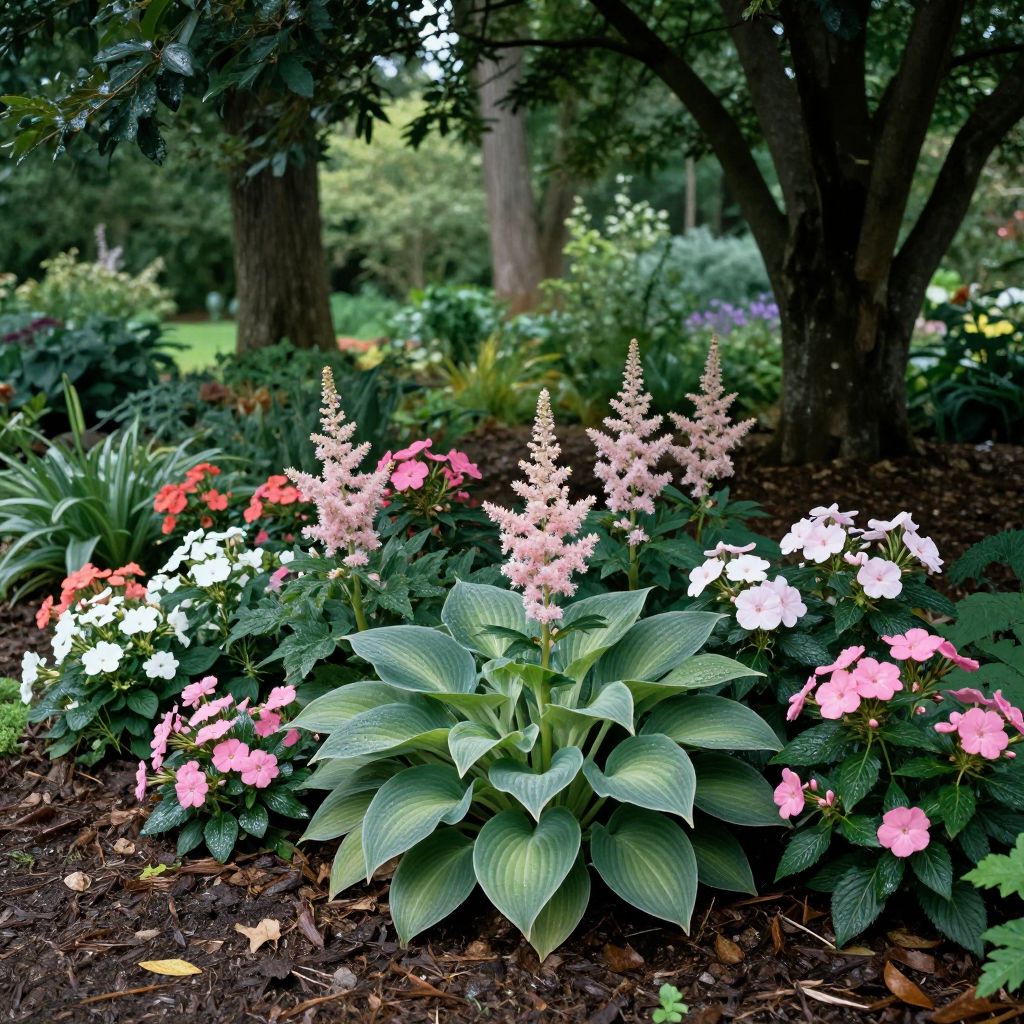
What flowers grow well in shade? The best choices are shade-tolerant plants that flower with limited direct sun, such as astilbe, impatiens, begonias, hellebores, foxgloves, and many woodland perennials. The right plant depends on whether your spot is dry shade, moist shade, or bright dappled shade.
Good shade flowers still need the right soil, moisture, and airflow to perform well. If you match the plant to the light level and growing conditions, a shady border, patio container, or north-facing bed can be just as colorful as a sunny garden.
What flowers grow well in shade?
Many flowers grow well in shade, especially plants adapted to woodland edges, forest floors, and sheltered borders. In general, bright shade and dappled light support the widest range of bloomers, while deep shade limits you to a smaller group of tough, foliage-first plants with occasional flowers.
Understanding shade before you plant
Not all shade is the same. The amount of light, soil moisture, and root competition nearby all affect which flowers will thrive.
Types of shade
- Bright shade: Plenty of indirect light, often under deciduous trees or beside a wall that gets reflected light.
- Dappled shade: Sunlight filters through leaves for part of the day. This is often ideal for many flowering plants.
- Partial shade: Usually 3 to 6 hours of sun, often morning sun and afternoon shade.
- Deep shade: Very little direct sun. Flowering options are more limited here.
- Dry shade: Shade plus thirsty tree roots or overhanging structures. This is one of the hardest conditions for flowers.
Tip: Watch the area for a full day before planting. A spot that seems shady in the morning may get hot afternoon sun, which changes what will grow well there.
Best flowers for shade gardens
Reliable shade bloomers
- Impatiens (Impatiens walleriana): A classic annual for bright shade and containers. It flowers heavily if kept evenly moist.
- Begonias (Begonia spp.): Great for pots, hanging baskets, and bedding in filtered shade. Many varieties bloom for a long season.
- Astilbe (Astilbe spp.): Feathery plumes and ferny foliage suit moist, humus-rich shade.
- Hellebores (Helleborus spp.): Early bloomers for part shade to shade, especially useful in woodland-style beds.
- Foxglove (Digitalis spp.): Tall flower spikes for partial shade, especially in cooler climates.
- Columbine (Aquilegia spp.): Handles part shade well and often self-seeds gently.
- Bleeding heart (Lamprocapnos spectabilis): A spring-flowering perennial that prefers cool, sheltered shade.
- Toad lily (Tricyrtis spp.): Best in woodland shade with moist soil; flowers late in the season.
- Japanese anemone (Anemone x hybrida): Prefers part shade and can brighten late summer into fall.
- Hardy geraniums (Geranium spp.): Some varieties tolerate shade and provide long-lasting flowers and ground cover.
Plants for deep or dry shade
- Hellebores for winter to spring color in sheltered shade.
- Foamflower (Tiarella spp.) for lightly shaded woodland edges.
- Epimedium (Epimedium spp.) for dry shade; flowers are delicate, but the plant is valued for tough performance.
- Lungwort (Pulmonaria spp.) for moist shade with attractive spotted foliage and early flowers.
- Woodland phlox (Phlox divaricata) for dappled shade and humus-rich soil.
If your shade is very dense and dry, expect fewer showy flowers and more emphasis on foliage, texture, and spring bloom. In that situation, soil improvement matters as much as plant choice.
How to choose the right flower for your shade
The most successful shade garden starts with matching the plant to the site. A moisture-loving perennial will struggle in dry tree roots, while a drought-tolerant shade plant may rot in heavy, wet soil.
Use this quick selection guide
- Assess light: Choose plants for deep shade, bright shade, or partial shade based on actual sun exposure.
- Check soil moisture: Decide whether the area stays moist, drains quickly, or dries out under trees.
- Look at root competition: Tree roots can steal water and nutrients, making planting harder.
- Consider bloom season: Mix spring, summer, and fall bloomers for longer color.
- Match plant size: Use low growers in front and taller flowers where they won’t crowd smaller plants.
Rule of thumb: More shade usually means fewer flowers, so choose plants with attractive foliage too. That way the bed still looks good between bloom cycles.
Soil preparation for shade flowers
Most shade flowers do best in soil that is loose, fertile, and rich in organic matter. Many woodland plants prefer a crumbly, leaf-mold-like texture that holds moisture without becoming soggy.
Improve the planting area before planting
- Work in compost to improve structure and help the soil hold moisture.
- Remove weeds carefully, especially perennial weeds that compete for water and light.
- Break up compacted soil so roots can spread more easily.
- If drainage is poor, raise the bed slightly or plant on a mound to reduce rot risk.
Avoid overworking wet soil, especially in clay. Smearing and compaction can make drainage worse, which is a common reason shade plants fail.
How to plant flowers in shade
Planting shade flowers is similar to planting in sun, but spacing and moisture management matter even more because shaded areas often stay cooler and damp longer.
Step-by-step planting guide
- Water plants in their pots before planting so the root ball is evenly moist.
- Dig a hole as deep as the root ball and a little wider.
- Set the plant at the same depth it was growing in the container.
- Backfill with improved soil and firm gently to remove large air pockets.
- Water thoroughly after planting.
- Mulch with 2 to 3 inches of organic mulch, keeping it away from stems.
For containers, use a high-quality potting mix rather than garden soil. Shade pots dry more slowly, so drainage holes are essential.
Watering and feeding shade flowers
Shade does not always mean moist soil. Tree canopies and walls often block rain, and roots from nearby shrubs or trees can dry the soil quickly.
Watering basics
- Water newly planted flowers regularly until they establish.
- Check the top inch or two of soil before watering established plants.
- Water deeply rather than giving frequent light sprinkles.
- In containers, check more often because pots dry out faster than garden beds.
Many shade flowers prefer evenly moist soil, but not soggy conditions. If leaves yellow and stems soften, the problem may be too much water or poor drainage rather than too little light.
Feeding wisely
A light annual top-dressing of compost is often enough for many perennial shade flowers. Too much nitrogen can produce lush leaves with fewer blooms, especially in low light.
If a plant is growing in poor soil or a container, a balanced slow-release fertilizer may help, but follow the label and avoid overfeeding. Shade plants usually need less fertilizer than sun-loving annuals.
Pruning, deadheading, and maintenance
Regular maintenance keeps shade flowers tidy and can encourage longer bloom. The exact approach depends on the plant.
Good maintenance habits
- Deadhead annuals like impatiens and begonias to keep flowers coming.
- Cut back spent stems on perennials after blooming if the plant looks tired.
- Remove damaged leaves to improve airflow and reduce disease.
- Divide crowded clumps of perennials every few years if flowering declines.
Some shade perennials, such as hellebores and epimedium, are best left mostly alone except for removing old or damaged foliage. Always check the plant’s growth habit before cutting back heavily.
Common problems with shade flowers
Too little light
If a plant stretches, blooms poorly, or leans toward the brightest area, it may need more light. Sometimes the solution is moving it to a brighter part of the garden rather than trying to force it to perform in deep shade.
Too much moisture
Shade beds can stay wet for long periods, especially in heavy soil. This can lead to root rot, mildew, and weak growth. Improve drainage, reduce watering, and space plants properly for airflow.
Dry shade
Dry shade is one of the toughest conditions because roots from trees and shrubs compete for water. Mulch, compost, and deep watering help, but you may also need plants that naturally tolerate dry shade.
Pests and diseases
- Slugs and snails often damage tender shade plants, especially in damp weather.
- Powdery mildew can appear where airflow is poor.
- Aphids may cluster on new growth and flower stems.
- Root rot can occur in waterlogged soil.
To reduce problems, keep the area clean, avoid crowding plants, water at the soil level, and remove badly affected leaves promptly. For slugs, hand-picking, barriers, and reducing hiding places can help.
Best shade flowers for containers and small spaces
Containers are a smart way to add color to shady patios, balconies, and entryways. They also let you control soil and drainage more easily than in the ground.
Good container choices
- Begonias for long bloom in bright shade.
- Impatiens for a soft, colorful mass of flowers.
- Fuchsias in sheltered shade with good airflow.
- Heuchera paired with seasonal bloomers for foliage contrast.
- Small astilbes in large containers with consistent moisture.
Use a pot with drainage holes and a quality potting mix. In shade, containers may need less frequent watering than sunny pots, but they still need regular checks because wind and warm weather can dry them faster than you expect.
Design ideas for a shade border
A shade garden looks best when you combine flowers with foliage texture, different heights, and repeated plant forms. Because bloom may be less intense than in sun, structure matters.
Simple design combinations
- Astilbe, hosta, and fern for a cool, layered woodland look.
- Hellebores, lungwort, and foamflower for early-season color.
- Impatiens with begonias in containers for bright summer color.
- Japanese anemone with hardy geraniums for late-season bloom.
Mixing early, midseason, and late bloomers gives you a longer display. In shady areas, that staggered effect often looks better than relying on one big flush of flowers.
Conclusion
If you’ve been wondering what flowers grow well in shade, start with the light level you actually have, then choose plants that suit the soil and moisture in that spot. Bright shade and dappled shade offer the most options, while deep or dry shade calls for tougher, more selective choices.
For more help planning a successful low-light garden, you may also want to read about shade-tolerant perennials and how to improve garden soil with compost.