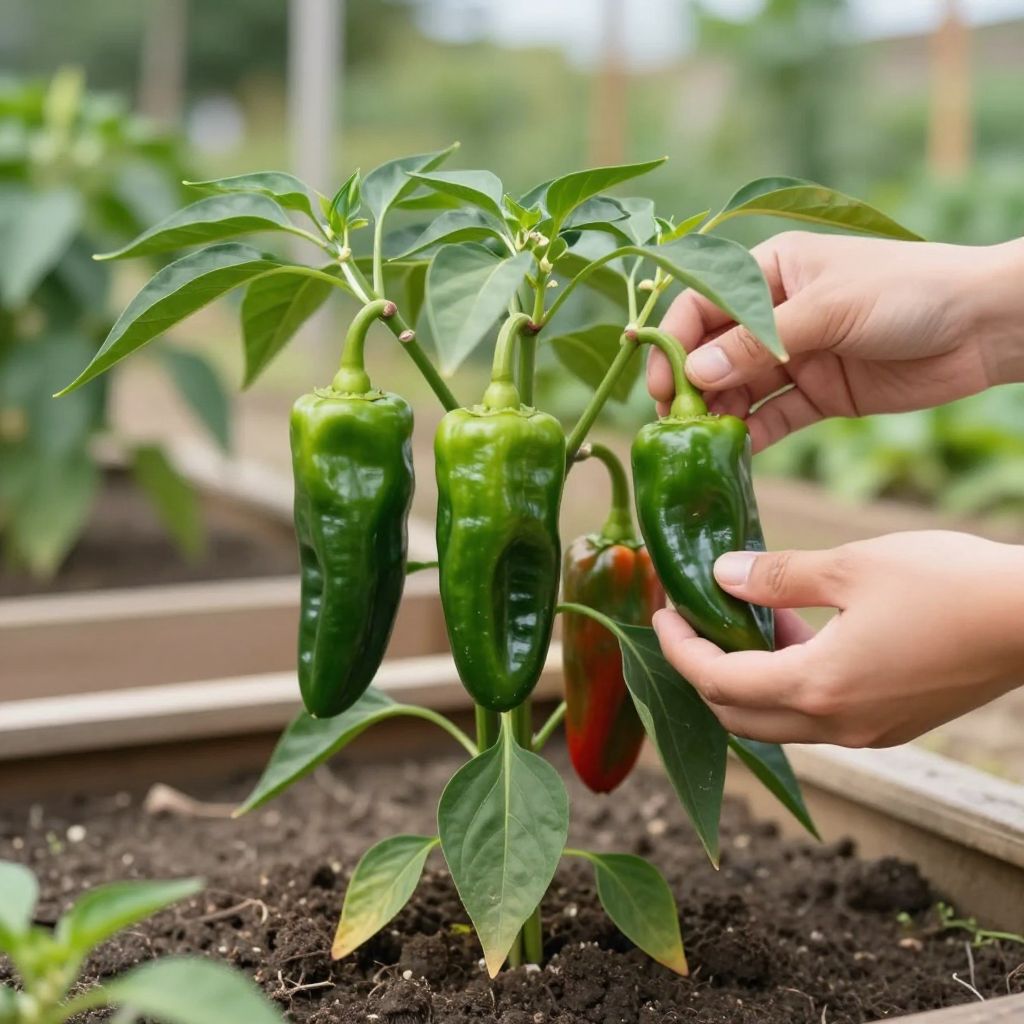
Wondering when to pick serrano peppers so they have the best heat, flavor, and texture? The short answer is that you can harvest serranos at almost any stage after the fruits reach usable size, but the best time depends on whether you want a greener, brighter flavor or a riper, hotter pepper.
Pick them when the peppers are firm, glossy, and fully formed, usually before they start to wrinkle or soften. If you leave them longer on the plant, they will typically turn from green to red and develop a deeper, slightly sweeter flavor with more heat.
When to Pick Serrano Peppers?
Pick serrano peppers when they are 2 to 4 inches long, firm, and glossy, with a smooth skin and a solid green color if you want a fresh, bright taste. For a riper, hotter pepper, leave them on the plant until they turn red. Harvest regularly to encourage more fruiting and prevent overripe peppers from slowing the plant down.
How to Tell Serrano Peppers Are Ready
Size alone is not the only clue. A serrano pepper is ready when it feels firm, has a healthy sheen, and resists a gentle squeeze without soft spots.
Signs of harvest readiness
- Length: usually about 2 to 4 inches long, though exact size varies by plant and growing conditions.
- Texture: firm flesh with smooth, taut skin.
- Color: green for a milder, fresher flavor; red for a riper, hotter pepper.
- Stem: the fruit should detach cleanly when cut or gently twisted.
- Overall look: no major shriveling, splitting, or soft patches.
If you are unsure, harvest one pepper and taste it. Serranos can be picked at several stages, so your preferred flavor matters as much as the calendar.
Green vs. Red Serrano Peppers
Green serranos are usually harvested earlier and have a crisp, grassy, sharp flavor. Red serranos are left on the plant longer and often taste a little sweeter, with a fuller, more developed heat.
Which stage should you choose?
- Pick green serranos if you want a brighter flavor and faster harvests.
- Leave peppers to turn red if you want maximum ripeness and a deeper flavor.
- Harvest mixed stages if you want to keep the plant producing while sampling flavor differences.
Many gardeners harvest mostly green peppers because it encourages the plant to keep setting new fruit. If you want a few red peppers for comparison, leave some on the plant while picking the rest.
Seasonal Timing: What Month Should You Harvest?
There is no single harvest month that works everywhere. Serrano peppers are warm-season crops, so harvest timing depends on when you planted them, your climate, and how much heat and sun the plants receive.
In general, you can expect to start picking once the plants have matured and begun producing full-sized fruits. In warm regions, that may be in mid to late summer and continue into fall. In cooler climates, the season may be shorter, especially if nights cool down early.
Use plant development, not the calendar
Instead of relying only on dates, watch the plant itself:
- Flowers have opened and dropped.
- Small green peppers have formed and filled out.
- Fruits are firm and glossy.
- The plant continues producing new blossoms after harvesting.
If frost is approaching, pick all usable peppers, even if some are still green. Cold weather can damage the plant and reduce fruit quality quickly.
How to Harvest Serrano Peppers Without Damaging the Plant
Use clean scissors, pruners, or garden snips to cut peppers from the plant. This is safer than pulling, which can tear stems and reduce future production.
- Hold the pepper gently with one hand.
- Cut the stem about 1/4 inch above the fruit.
- Place peppers in a shallow basket or bowl to avoid bruising.
- Check nearby branches for hidden peppers at the same time.
Harvesting every few days to once a week during peak production can help keep the plant productive. Regular picking also makes it easier to catch peppers before they become overripe.
What Happens If You Pick Too Early or Too Late?
Picking too early usually gives you smaller peppers with less developed flavor. The peppers will still be usable, but they may not have reached their full size or heat potential.
Picking too late can lead to softer skin, a duller appearance, and sometimes wrinkling or splitting. Overripe peppers may also signal the plant to slow down fruit production.
Common timing mistakes
- Waiting for a perfect size only: size varies by variety and growing conditions.
- Leaving peppers too long after they color up: this can reduce texture quality.
- Pulling fruit by hand: this can damage stems and nearby flowers.
- Ignoring weather changes: cool nights or frost can force an early harvest.
Growing Conditions That Affect Harvest Timing
Serrano peppers ripen faster in full sun, warm temperatures, and fertile, well-drained soil. If the plant is stressed by poor light, inconsistent watering, or compacted soil, fruit may develop slowly or stay small.
Helpful growing basics
- Sunlight: aim for full sun for strong growth and better fruiting.
- Soil: loose, fertile soil with good drainage helps roots stay healthy.
- Watering: keep soil evenly moist, but not soggy.
- Mulch: a light mulch can help conserve moisture and steady soil temperature.
If your plants are growing in containers, they may dry out faster and need closer attention. Container-grown serranos can also ripen sooner or later than expected depending on pot size, sun exposure, and heat.
Should You Let Serrano Peppers Turn Red?
Yes, if you want a riper pepper with a different flavor profile. Red serranos are fully mature and often have a slightly richer taste than green ones. They can also be hotter, though heat level varies from plant to plant.
That said, not every gardener needs to wait for red fruit. If your plant is producing well, picking green peppers can keep the harvest moving and reduce the risk of overripening.
How to Keep the Plant Producing After Harvest
Once you start picking, continue checking the plant often. Removing mature peppers encourages the plant to put energy into new flowers and fruit instead of holding onto old peppers.
Simple maintenance tips
- Pick mature peppers regularly.
- Remove damaged or diseased leaves if needed.
- Keep watering consistent during dry spells.
- Support branches if heavy fruit is bending them down.
Do not overfertilize with nitrogen late in the season, since that can push leafy growth instead of fruit. A balanced, steady approach usually works better than trying to force growth.
Pests, Disease, and Harvest Quality
Healthy plants produce better peppers, so watch for common issues that can affect fruit quality. Aphids, spider mites, and caterpillars can weaken plants, while fungal problems and bacterial spots can damage leaves and fruit.
What to look for
- Chewed leaves or holes in fruit.
- Sticky residue or clusters of tiny insects.
- Spots, rot, or mold on peppers.
- Wilting even when the soil is moist.
If you notice damaged fruit, remove it promptly. Keeping the plant clean and well-spaced for airflow can help reduce many common problems.
Indoor and Container-Grown Serrano Peppers
If you grow serranos in pots or indoors under bright light, harvest timing still follows the same basic rule: pick when the fruit is firm, glossy, and the right size for your preference. Container plants may produce more slowly, so patience matters.
For indoor plants, watch for enough light and stable warmth. Poor light can delay ripening and produce thin, weak stems, which can make fruiting less reliable.
Quick Harvest Checklist
- Fruit is 2 to 4 inches long, or at a size you prefer.
- Skin is glossy and smooth.
- Pepper feels firm, not soft.
- Color is green for earlier harvest or red for full ripeness.
- Weather is still warm enough to keep the plant healthy.
Conclusion
The best time to pick serrano peppers is when they are firm, glossy, and full-sized for your taste, whether that is green and bright or red and fully ripe. Check your plants often, harvest with snips, and keep picking regularly to encourage more peppers.
If you want to improve next season’s harvest, it can help to read more about pepper care, container growing, and troubleshooting fruit set so you can match your timing to your local climate and growing conditions.