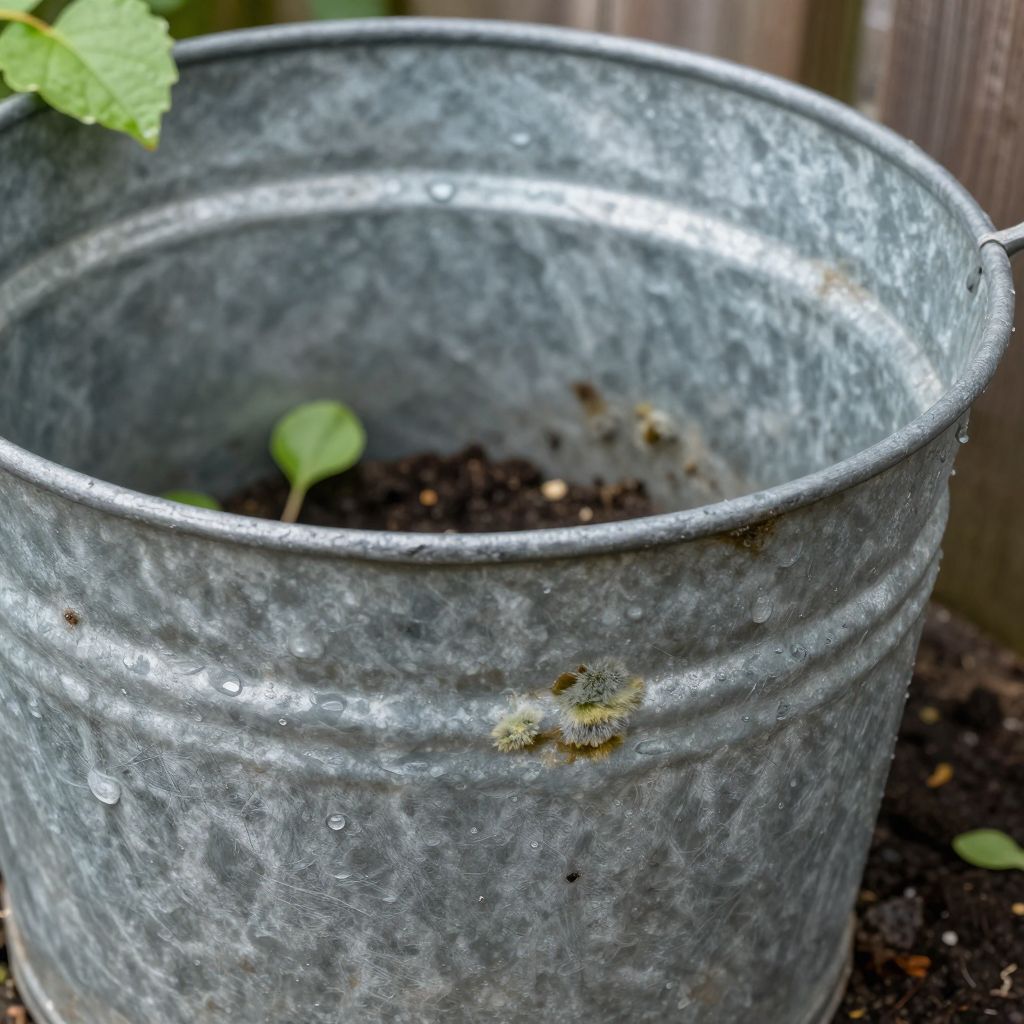
Can mold grow on metal? Yes—mold can grow on metal surfaces when there’s enough moisture, dust, and organic residue for it to feed on. The metal itself is not food, but grime, pollen, sap, algae, and plant debris on the surface can support mold growth, especially in damp garden spaces.
For gardeners, this matters on tools, raised beds, greenhouse frames, pots, shelving, and outdoor fixtures. The good news is that mold on metal is usually a maintenance issue, not a sign that the metal is “bad”; with cleaning, drying, and better airflow, you can usually stop it from coming back.
Can mold grow on metal?
Yes, mold can grow on metal if the surface stays damp and has a thin layer of organic material to feed on. Bare, clean metal is not a food source, but mold can colonize dust, sap, soil splash, dead plant matter, and biofilm sitting on top of it. In gardens, this is most common in humid, shaded, poorly ventilated areas.
Why mold appears on metal in gardens
Mold needs moisture, oxygen, and a food source. Metal often provides the first two indirectly: it cools quickly, collects condensation, and can stay wet after rain, irrigation, or misting.
Common garden situations that encourage mold
- Greenhouses and cold frames with condensation on frames, benches, or hardware.
- Outdoor tools left dirty after pruning, digging, or potting.
- Metal plant stakes and trellises splashed with soil and shaded by dense foliage.
- Metal pots or cachepots that hold moisture around the rim or base.
- Storage areas where damp tools, hoses, or containers are stacked without drying.
Mold is more likely when air movement is poor and the surface stays damp for hours or days. Shade, overwatering nearby plants, and crowded storage make the problem worse.
How to tell mold from rust, mildew, or algae
Gardeners sometimes mistake mold for rust or algae, but the fix depends on what you’re seeing. Mold usually looks fuzzy, dusty, or patchy and may be white, gray, green, or black. Rust is reddish-brown and flakes the metal itself. Algae tends to look slimy or green and grows where light and moisture are constant.
Quick comparison
- Mold: fuzzy or powdery growth on dirt, sap, or residue.
- Rust: corrosion of the metal surface, often orange-brown.
- Algae: green film, usually on very wet outdoor surfaces.
- Mineral deposits: chalky white crust from hard water or fertilizer splash.
If the metal is pitted, weakening, or flaking, you may have both mold and corrosion. Clean the surface first, then inspect for damage.
How to clean mold off metal safely
For most garden tools and fixtures, cleaning mold off metal is straightforward. The goal is to remove the growth, dry the surface fully, and reduce the conditions that let it return.
Step-by-step cleaning method
- Wear gloves and, if the mold is heavy or dusty, a mask.
- Move the item outdoors or into a well-ventilated area.
- Brush off loose dirt, leaves, and debris first.
- Wash with warm water and a small amount of mild soap.
- Scrub with a soft brush, sponge, or nylon pad.
- Rinse and dry completely with a towel or allow full air-drying.
For stubborn growth, a vinegar solution or diluted household disinfectant can help on non-porous metal, but always test a small area first. Avoid mixing cleaning products, and never use anything that could damage nearby plants if runoff reaches the soil.
What to avoid
- Leaving metal wet after washing.
- Using abrasive tools that scratch protective coatings.
- Spraying strong cleaners onto soil, leaves, or roots.
- Storing tools before they are fully dry.
If the item is used around edible plants, rinse thoroughly and keep cleaners away from harvest areas. Clean water and drying are often enough for routine maintenance.
Does mold on metal harm plants?
Usually, mold on metal does not directly infect healthy plants. The bigger concern is what the mold signals: excess moisture, poor airflow, or dirty surfaces that can also support fungal problems on leaves, stems, or soil. In a greenhouse or potting area, those same conditions can encourage disease spread.
When to pay closer attention
- Seedlings are crowded and damp for long periods.
- Leaves touch moldy stakes, shelves, or frames.
- Water sits in trays, saucers, or metal containers.
- There is a musty smell and visible mold on multiple surfaces.
In those cases, improve airflow, reduce standing water, and separate healthy plants from heavily contaminated materials until everything is cleaned.
How to prevent mold from returning
Prevention is mostly about moisture control and routine cleaning. In gardens, that means keeping metal as dry and debris-free as possible.
Practical prevention tips
- Dry tools after each use. Wipe pruners, trowels, and stakes before storing them.
- Store items off the ground. Use hooks, racks, or shelves so air can circulate.
- Improve ventilation. Open greenhouse vents, space containers apart, and avoid crowding benches.
- Clean plant residue quickly. Sap, soil, and dead leaves are mold food.
- Check drainage. Metal planters and trays should not hold water for long.
- Reduce overhead wetness. Water at the soil line when possible.
If you live in a humid climate, prevention matters even more. You may need to clean metal surfaces more often during warm, wet periods, especially in enclosed growing spaces.
Special care for metal pots, planters, and raised beds
Metal containers and bed frames can be excellent in the garden, but they need good drainage and occasional inspection. Moisture trapped against metal can encourage mold on the surface and may shorten the life of the container if corrosion starts.
What to check before planting
- Drainage holes are open and not blocked by roots or debris.
- The inside is clean and dry before adding potting mix.
- Any rust spots are addressed before they spread.
- The container is elevated slightly so water can escape.
For raised beds with metal sides, keep the surrounding area weed-free and avoid piling wet mulch directly against the frame. A clean, dry exterior helps prevent moldy buildup where soil splash collects.
Seasonal maintenance
In wet seasons, inspect metal surfaces more often. In dry seasons, dust and plant residue can still build up, so periodic cleaning remains worthwhile. After storms, check for trapped leaves, standing water, and shaded pockets where mold may start.
When mold means it’s time to replace the metal
Most mold can be cleaned off, but damaged metal may need replacement. If the surface is badly rusted, pitted, bent, or unstable, cleaning alone won’t solve the problem.
Consider replacing the item if:
- Rust has weakened structural parts.
- Paint or coating is peeling widely.
- The metal has sharp edges from corrosion.
- Mold keeps returning despite drying and cleaning.
For tools, replacement is often the safest choice when blades or joints are compromised. For planters and frames, repair may be possible if the damage is minor and the structure is still sound.
Best habits for healthy, mold-free garden metal
Good garden maintenance makes a big difference. A few small habits can prevent most mold problems on metal surfaces.
- Rinse soil off tools after use.
- Dry metal before putting it away.
- Keep storage areas airy and uncluttered.
- Remove dead leaves and plant debris from benches and frames.
- Inspect damp corners, especially in shade or enclosed spaces.
The key takeaway: mold grows on the grime and moisture on metal, not on the metal itself. If you keep surfaces clean, dry, and well-ventilated, you can usually stop the problem before it starts.
If you want to keep improving your garden maintenance routine, you may also find it helpful to read about cleaning tools, improving drainage, and preventing fungal problems in damp growing spaces.