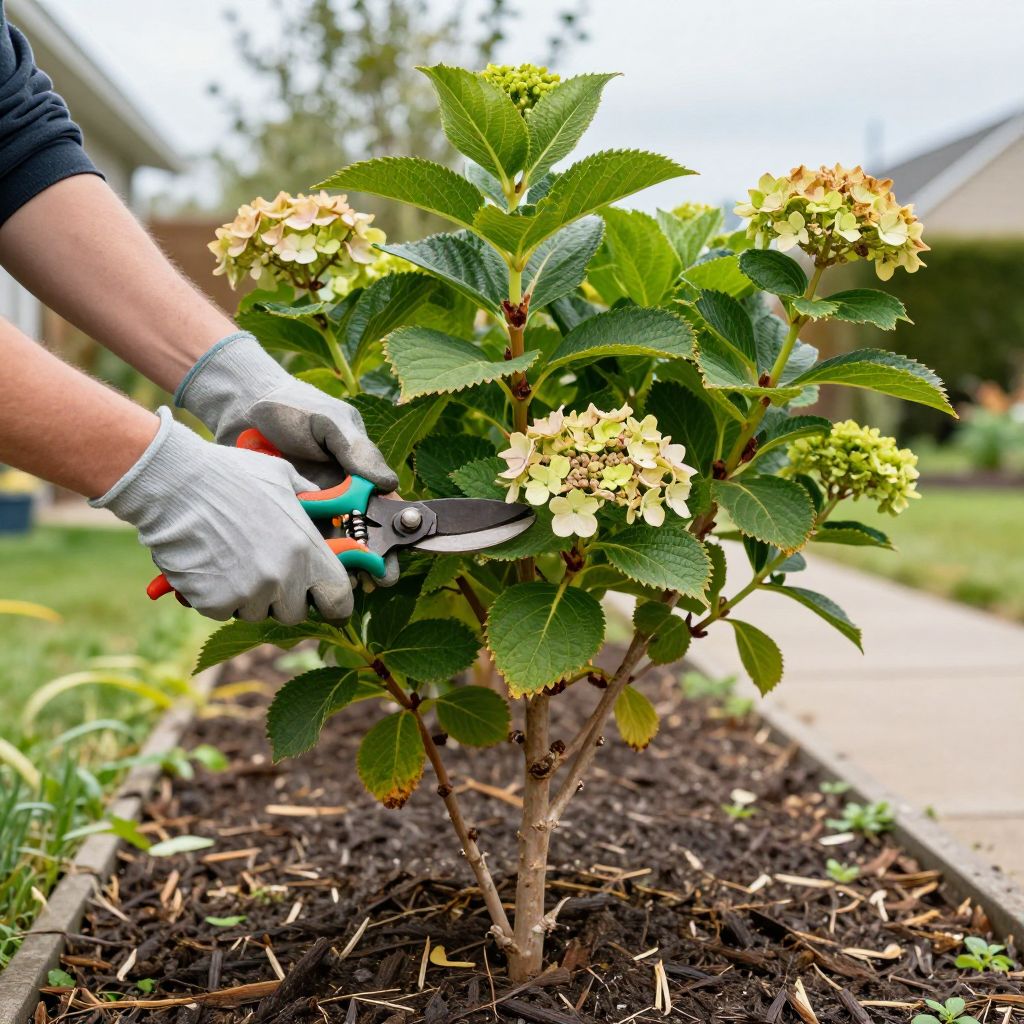
When do you cut back hydrangeas? The safe answer depends on which hydrangea you grow, because some bloom on old wood and others on new wood. Prune at the wrong time and you can remove next season’s flower buds, so timing matters more than heavy cutting.
Once you know the type, pruning becomes much simpler. A light, well-timed cutback can improve shape, reduce dead stems, and encourage better flowering without sacrificing blooms.
When do you cut back hydrangeas?
Most hydrangeas are cut back in late winter or early spring, but only after you identify the type. Hydrangeas that bloom on old wood are pruned right after flowering, while hydrangeas that bloom on new wood are usually cut back in late winter or early spring before new growth starts.
Know your hydrangea type before you prune
The biggest pruning mistake is treating all hydrangeas the same. Different species set flower buds at different times, and that changes when you should cut them back.
Hydrangeas that bloom on old wood
These form flower buds on stems that grew the previous season. If you prune too late in winter or early spring, you may remove the buds that would have bloomed.
- Bigleaf hydrangea (Hydrangea macrophylla)
- Oakleaf hydrangea (Hydrangea quercifolia)
- Mountain hydrangea (Hydrangea serrata)
For these, prune lightly after flowering, mainly to remove spent blooms, weak stems, or dead wood.
Hydrangeas that bloom on new wood
These produce flower buds on the current season’s growth, so you can cut them back more confidently before spring growth begins.
- Panicle hydrangea (Hydrangea paniculata)
- Smooth hydrangea (Hydrangea arborescens)
These are usually trimmed in late winter or early spring, and they often respond well to a harder cutback than old-wood types.
Best seasonal timing for cutting back hydrangeas
Late winter to early spring
This is the usual pruning window for new-wood hydrangeas. Wait until the worst cold has passed in your area, then prune before strong new growth begins.
If you garden in a colder climate, hold off until you can clearly see living buds and the risk of severe freeze damage has eased. In milder climates, late winter is often enough.
Right after flowering
Old-wood hydrangeas are best lightly pruned soon after blooms fade. That gives the plant time to set next year’s buds before autumn and winter.
For these hydrangeas, avoid major pruning in fall or winter unless you are removing broken, diseased, or dead stems.
Any time for dead or damaged wood
You can remove dead, broken, or diseased stems whenever you notice them. This is maintenance pruning, not shaping, and it helps keep the plant healthy.
How to cut back hydrangeas the right way
Use clean, sharp bypass pruners for most stems. For thicker canes, loppers may be easier and safer than forcing hand pruners.
- Start by removing dead, damaged, or crossing branches.
- Cut spent flower heads just above a healthy pair of buds or a strong side branch.
- Thin out a few of the oldest stems at the base if the plant is crowded.
- Shape the shrub lightly, but do not shear it into a tight ball.
- Step back and check the overall form before making more cuts.
Make each cut just above a bud or branch junction and angle it slightly so water sheds off the cut surface. Avoid leaving long stubs, which can die back and look untidy.
How much should you remove?
For old-wood hydrangeas, pruning is usually modest. You are mainly cleaning up the plant, not reducing it dramatically.
For new-wood hydrangeas, you can often reduce stems by about one-third to one-half, depending on the plant’s size, vigor, and your climate. In very cold regions, some gardeners leave more stem length for winter protection and cut back in spring.
What happens if you cut hydrangeas back at the wrong time?
If you prune old-wood hydrangeas too late, flower buds may be removed before they open. The plant may still grow leaves, but bloom display can be sparse or absent that year.
If you never prune new-wood hydrangeas, they may become crowded, flop more easily, or produce smaller flowers on weak stems. The goal is not heavy cutting every year, but the right kind of cutback for the plant you have.
Growing conditions that affect pruning success
Healthy hydrangeas recover from pruning more easily when they are growing in the right conditions. Good care matters before and after cutting back.
Sunlight
Most hydrangeas do best with morning sun and afternoon shade, especially in hot climates. In cooler regions, many types can take more sun if the soil stays evenly moist.
Soil and drainage
Hydrangeas prefer moist, well-drained soil rich in organic matter. Heavy clay that stays soggy can stress roots, while very sandy soil may dry too quickly.
Before planting or mulching, work in compost to improve soil structure. Good drainage is especially important if you prune hard, because stressed roots slow recovery.
Watering
Water deeply during dry spells, especially in the first year after planting and during hot weather. Hydrangeas wilt quickly when soil dries out, and drought stress can reduce flowering.
Apply water at the base of the plant rather than overhead when possible. This helps reduce leaf disease and keeps foliage drier.
Common pruning mistakes to avoid
- Pruning without identifying the species first.
- Cutting old-wood hydrangeas hard in late winter and losing blooms.
- Shearing all hydrangeas into a tight hedge shape.
- Removing too much at once from a weak or newly planted shrub.
- Leaving dead flower heads and broken stems for too long.
- Using dull or dirty tools that crush stems and spread disease.
Pests, diseases, and cleanup after pruning
Hydrangeas are not especially difficult plants, but they can develop leaf spots, powdery mildew, aphids, or scale in stressful conditions. Pruning alone will not fix these problems, but it can improve airflow and remove damaged growth.
After pruning, rake up fallen leaves and old flower debris if disease has been an issue. Dispose of diseased material rather than composting it if infection is severe.
Can you propagate hydrangeas from cuttings?
Yes, some hydrangeas can be propagated from softwood or semi-ripe cuttings, depending on the type and season. This is usually done from healthy, non-flowering shoots rather than woody old stems.
If you want to try propagation, take cuttings from vigorous growth in the appropriate season, keep them evenly moist, and place them in bright, indirect light. Success varies by species and growing conditions.
Simple pruning guide by hydrangea type
- Bigleaf, oakleaf, mountain hydrangeas: prune lightly after flowering.
- Panicle and smooth hydrangeas: prune in late winter or early spring.
- Dead or damaged stems: remove whenever needed.
- Overgrown shrubs: reduce gradually rather than cutting everything back at once.
When to leave hydrangeas alone
If your hydrangea is newly planted, stressed by drought, or recovering from winter damage, keep pruning minimal. A young plant often needs time to establish roots more than it needs shaping.
If you are unsure whether a stem carries flower buds, wait and observe before cutting. It is better to leave a questionable stem than to remove next season’s blooms.
Conclusion
When do you cut back hydrangeas? In short: prune old-wood types right after they flower, and cut back new-wood types in late winter or early spring. Identify your plant first, then make only the cuts it truly needs. If you are unsure, start with dead wood and light shaping, and save heavier pruning for the right season.
If you want to keep learning, it also helps to read more about how to prune flowering shrubs and choosing the best mulch for hydrangeas for healthier growth and better blooms.