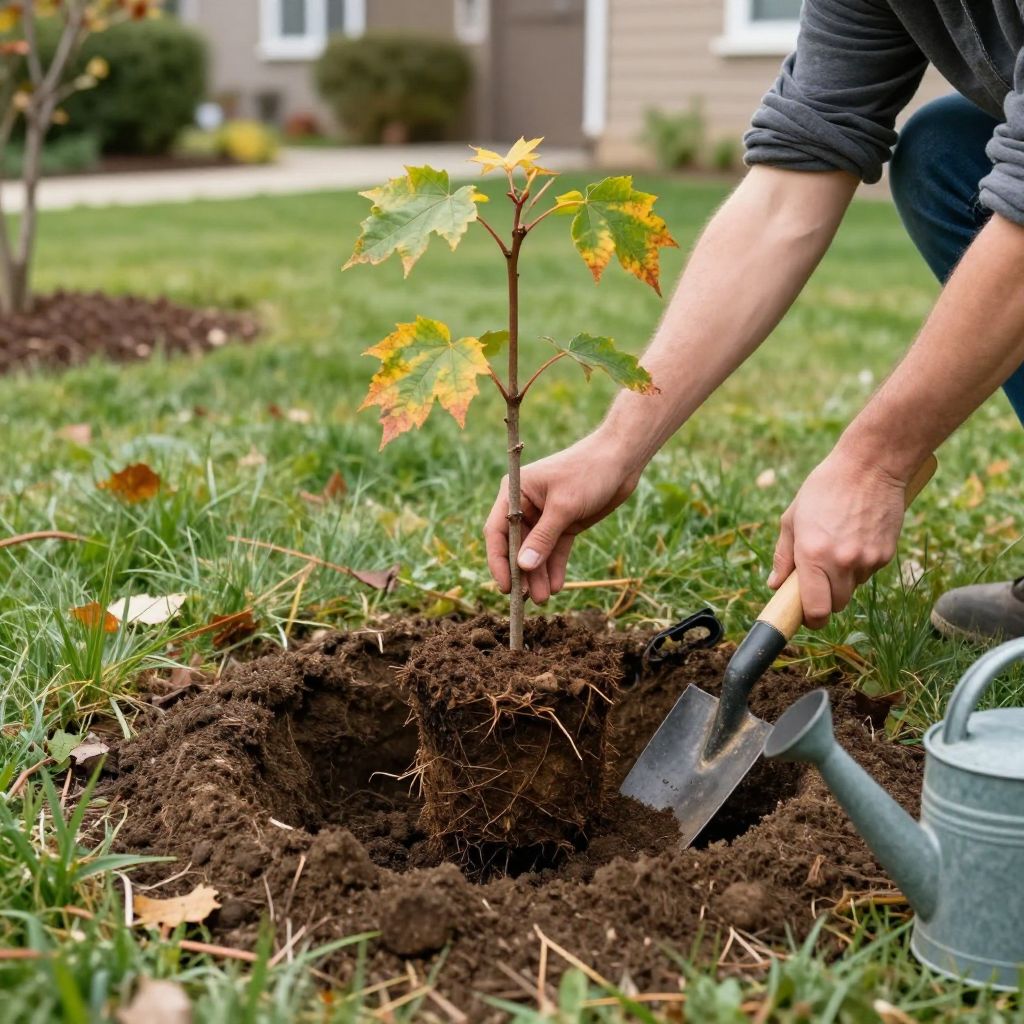
When is the best time to plant a tree? The short answer is usually during the tree’s dormant season, when temperatures are cooler and the roots can settle in before heat or hard frost arrives. In many climates, that means fall or early spring, but the right window depends on your local weather, soil moisture, and the type of tree you’re planting.
Planting at the right time gives a young tree a better start, with less transplant stress and a stronger root system. If you choose the season carefully and prepare the site well, your tree is far more likely to establish successfully and grow steadily for years.
When Is The Best Time To Plant A Tree?
The best time to plant a tree is usually in fall or early spring, when the tree is dormant and temperatures are mild. Fall is often ideal in areas with cool, moist autumns because roots can grow before winter. In colder regions, early spring may be safer if winter arrives quickly or the soil freezes early.
Why Timing Matters So Much
Tree roots need time to establish before the tree is asked to support new leaves, flowers, or fruit. Planting during extreme heat, drought, or freezing conditions increases stress and slows root growth.
A well-timed planting helps the tree use energy for root development instead of coping with weather stress. That usually means better survival, steadier growth, and fewer problems with leaf scorch, wilting, or dieback.
What trees benefit most from dormant-season planting?
- Most deciduous shade trees
- Fruit trees and ornamental flowering trees
- Bare-root trees
- Container-grown trees that can be planted safely while dormant
Fall vs. Spring: Which Is Better?
Both seasons can work well, but the better choice depends on your climate and the tree’s condition. In general, fall planting gives roots a head start while the soil is still warm, while spring planting works well where winters are severe or fall weather turns wet and cold too quickly.
Fall planting advantages
- Soil is often still warm, which encourages root growth.
- Cooler air reduces stress on the canopy.
- Rainfall may reduce the need for frequent watering.
- The tree can establish before summer heat arrives.
Spring planting advantages
- Good option in cold climates with early freezes.
- You can see how the tree handles new growth as the season begins.
- Useful if the planting site is too wet or frozen in fall.
Rule of thumb: If your area has long, mild autumns, fall is often best. If winter comes early or spring is your only reliable planting window, plant as soon as the soil is workable.
How Climate Changes the Best Planting Time
Your local climate matters more than the calendar. A “best time” that works in one region may be a poor choice in another.
Cool and temperate climates
Fall is often excellent because the tree can root in cool soil without summer heat. Early spring is the backup option if the ground stays unfrozen long enough for planting.
Hot and dry climates
Plant in the cooler parts of the year and avoid mid-summer planting unless you can provide consistent irrigation and shade protection. Even then, young trees may struggle in intense heat.
Cold climates
Spring is often safer because newly planted roots need time before the soil freezes. In these areas, fall planting can work only if you have enough time for establishment before hard frost.
Mild-winter climates
Planting can often happen over a longer season, but avoid periods of extreme heat, dry winds, or waterlogged soil. Mild climates still require attention to drainage and watering.
Best Time By Tree Type
Different trees tolerate transplanting differently. Bare-root trees, container-grown trees, and balled-and-burlapped trees each have slightly different planting windows.
Bare-root trees
These are usually planted while dormant, often in late fall through early spring depending on your climate. They should be planted quickly after purchase because exposed roots dry out fast.
Container-grown trees
These can be planted over a wider window, but dormant-season planting is still best when possible. Avoid letting roots become pot-bound, and don’t leave a container tree sitting in full sun before planting.
Balled-and-burlapped trees
These are commonly planted in fall or spring. Handle the root ball carefully, and make sure the burlap, wire, or twine is removed or adjusted as needed so roots can expand freely.
How To Plant A Tree Successfully
Good timing helps, but correct planting technique matters just as much. A poorly planted tree can struggle even if it goes in at the perfect season.
- Choose the right site. Match the tree’s mature size to the space, sunlight, and drainage available.
- Check the soil. Most trees do best in well-drained soil that is not compacted or constantly soggy.
- Dig a wide hole. Make the hole 2 to 3 times as wide as the root ball, but no deeper than the root ball itself.
- Set the tree at the correct height. The root flare should sit at or slightly above the surrounding soil line.
- Backfill with native soil. Avoid overloading the hole with compost or rich amendments unless your soil is extremely poor and local guidance suggests otherwise.
- Water thoroughly. Soak the root zone after planting to settle soil around the roots.
- Mulch properly. Apply 2 to 4 inches of mulch in a wide ring, keeping it away from the trunk.
Tools that make planting easier
- Shovel or spade
- Pruning shears for damaged roots or branches
- Mulch
- Watering hose or bucket
- Stakes only if the site is windy or the tree is unstable
Soil, Drainage, and Root Health
Even the best planting season won’t help if the soil stays waterlogged or compacted. Tree roots need oxygen as well as moisture, so drainage is a major part of success.
If water sits in the planting area after rain, consider choosing a different tree species, planting on a slight mound, or improving the site before planting. Heavy clay soil may need careful handling, but avoid creating a “bathtub” hole that traps water around the roots.
Signs the site may be too wet
- Water remains in the hole for hours after rain or watering
- Soil feels sticky and dense
- Moss, sedges, or water-loving weeds are common nearby
- Roots of nearby plants look shallow or stressed
Watering After Planting
New trees need consistent moisture, especially during the first growing season. The goal is to keep the root zone evenly moist, not saturated.
Water deeply after planting, then check the soil regularly. The top few inches may dry faster than the lower root zone, so test with your finger or a small trowel before watering again. Weather, soil type, and tree size all affect how often you’ll need to water.
Common watering mistakes
- Watering only the surface
- Letting the root ball dry out before planting
- Overwatering in heavy soil
- Assuming rain is enough without checking soil moisture
Sunlight, Mulch, and Early Care
Most trees need the right amount of light for their species, but newly planted trees also benefit from reduced stress. Mulch helps moderate soil temperature and conserve moisture, especially when planting in warm weather.
Keep mulch in a broad ring around the tree, but do not pile it against the trunk. A mulch volcano can trap moisture, invite rot, and encourage pests.
Should you prune after planting?
Only remove dead, broken, or clearly damaged branches at planting time. Heavy pruning is usually unnecessary and can reduce the tree’s ability to recover. If a tree needs structural pruning, it is often better to wait until it is established unless there is an immediate problem.
Common Problems When Planting Too Early or Too Late
Planting too early can expose roots to cold, saturated soil, while planting too late can leave the tree facing heat, drought, or frost before it has established. Both situations can slow growth and increase stress.
Signs of planting stress
- Wilting even when soil is moist
- Leaf scorch or browning at the edges
- Slow bud break in spring
- Premature leaf drop
- Back-and-forth dieback on new twigs
If a newly planted tree looks stressed, check the root zone first. Problems are often caused by improper depth, poor drainage, or inconsistent watering rather than by the tree itself.
What About Pests and Diseases?
Young trees can be more vulnerable to pests and disease if they are weakened by poor planting timing or transplant shock. Healthy roots and proper siting are the best prevention.
Watch for chewing insects, bark damage, fungal leaf spots, and signs of cankers or root rot. If you notice unusual decline, inspect the trunk, base, and soil conditions before assuming the problem is seasonal.
Quick Seasonal Planting Checklist
- Plant during cool weather if possible
- Choose a site with suitable sun and drainage
- Dig a wide, shallow hole
- Set the root flare at soil level
- Water deeply after planting
- Mulch correctly, away from the trunk
- Monitor moisture through the first season
Conclusion: The Best Time Is The Time That Gives Roots The Easiest Start
If you’re wondering when is the best time to plant a tree, aim for fall or early spring in your local climate, with dormant-season planting as the general goal. Match the timing to your weather, soil, and tree type, then focus on correct planting depth, drainage, and watering for the first season.
If you’d like more practical planting guidance, consider reading more about tree selection, soil preparation, and long-term mulching and watering care before you dig in.