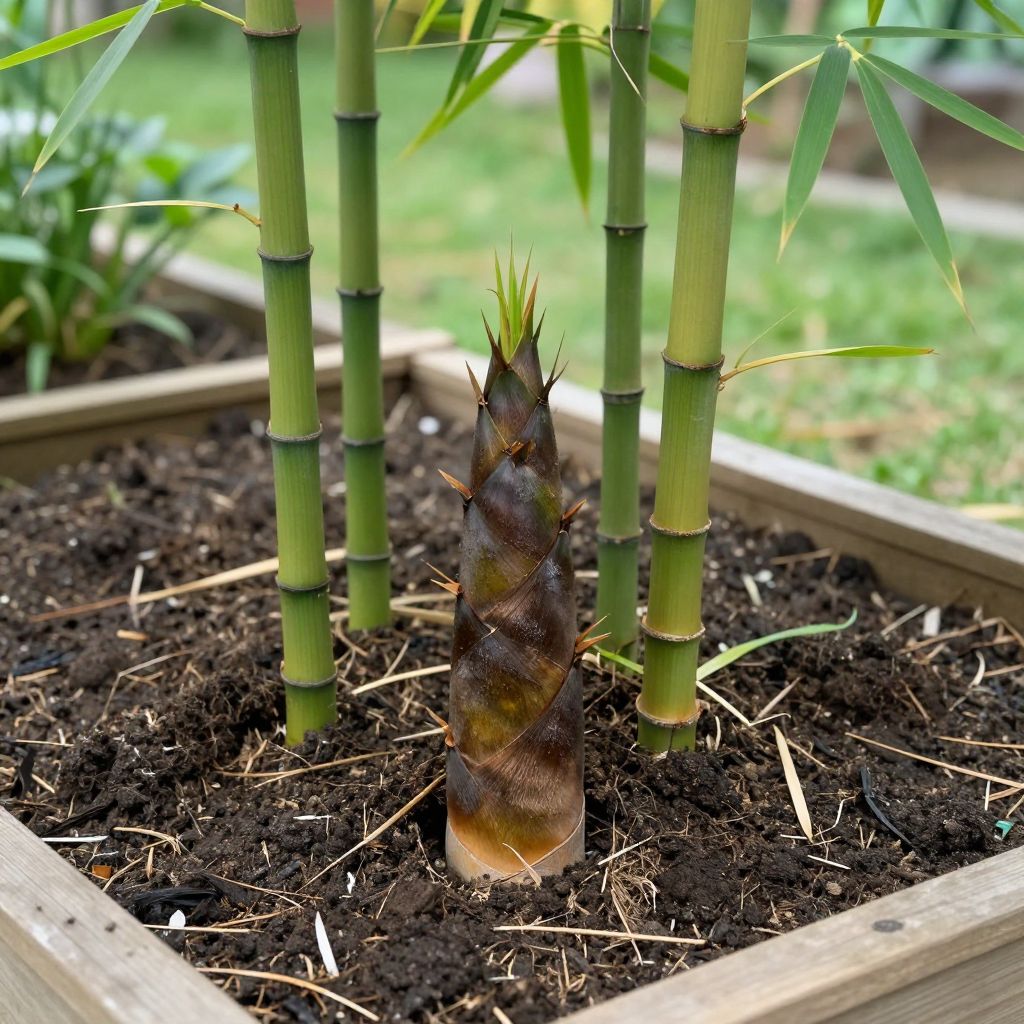
What plant grows the fastest? If you want quick results in the garden, the answer depends on whether you mean leafy growth, vine coverage, or harvest speed. Some plants race upward in a single season, while others produce edible crops in just a few weeks.
The fastest growers are usually annuals with warm soil, steady moisture, and plenty of light. Fast options include radishes, lettuce, bush beans, cucumbers, nasturtiums, and many grasses or bamboo types, but the “fastest” plant for you depends on your climate and goal.
What plant grows the fastest?
For most home gardeners, radishes are one of the fastest edible plants, often ready to harvest in about 3 to 6 weeks under good conditions. If you mean sheer size and coverage, fast-growing vines like cucumbers or morning glories, and vigorous plants like bamboo, can grow much faster in height or spread than most vegetables.
How to choose the fastest plant for your goal
The fastest plant is not always the same as the best plant. First decide whether you want a quick harvest, fast ground cover, privacy, shade, or a child-friendly plant to grow from seed.
Fastest plants for quick harvest
- Radishes – one of the quickest crops from seed to plate.
- Lettuce and baby salad greens – often ready for baby leaf harvest in a few weeks.
- Arugula – fast germination and quick cutting.
- Spinach – quick in cool weather, though it can bolt in heat.
- Bush beans – fast once warm weather arrives.
Fastest plants for coverage or height
- Cucumbers – rapid vine growth with warmth and moisture.
- Sweet peas – quick climbers in cool seasons.
- Morning glory – fast annual vine for fences and trellises.
- Sunflowers – quick height gain from seed.
- Bamboo – very fast in the right climate, but only if you choose a type suited to your space and containment plan.
If your goal is a fast, reliable win, choose a plant that matches your season. Cool-season crops slow down in heat, and warm-season crops stall in cold soil.
Best conditions for fast plant growth
Fast growth comes from strong basic growing conditions, not from pushing the plant too hard. Most fast-growing plants need good light, loose soil, steady moisture, and enough room for roots.
Sunlight
Most quick-growing vegetables and flowering annuals need at least 6 hours of direct sun daily. Leafy greens can tolerate a little less light, but they still grow best with bright conditions.
Soil
Use soil that drains well but still holds some moisture. Heavy clay can slow root growth, while very sandy soil may dry out too quickly for fast development.
Before planting, mix in compost to improve structure and give young plants a gentle nutrient boost. A 2 to 3 inch layer worked into the top few inches of soil is often enough for many garden beds.
Water
Fast-growing plants usually need even moisture, especially while germinating and establishing roots. Dry spells can slow growth, cause bitterness in greens, or make vines and beans stall.
Water deeply rather than lightly splashing the surface. The goal is moist soil, not soggy soil.
Temperature
Temperature has a big effect on speed. Cool-weather crops grow quickly in spring or fall, while warm-season crops need warm soil and air to take off.
- Cool-season examples: radishes, lettuce, spinach, arugula, peas.
- Warm-season examples: cucumbers, beans, squash, basil, sunflowers.
How to plant for the fastest results
If you want the quickest growth, start with direct sowing when possible. Many fast crops dislike root disturbance, and transplant shock can slow them down.
- Prepare the bed or container. Remove weeds, loosen the top 6 to 8 inches of soil, and mix in compost if needed.
- Check drainage. Water should soak in within a reasonable time, not pool for hours.
- Sow at the right depth. Follow the seed packet directions. Tiny seeds need shallow coverage; larger seeds need deeper planting.
- Space properly. Crowding can slow growth by increasing competition for light, water, and nutrients.
- Keep the surface evenly moist. This is especially important until seeds sprout.
- Thin seedlings early. Removing extras gives the strongest plants room to grow fast.
Container growing for speed
Containers warm up quickly and can speed growth in spring, especially for herbs, greens, and compact vegetables. Choose a pot with drainage holes and use a quality potting mix, not garden soil.
Shallow-rooted crops like lettuce, arugula, radishes, and herbs often do very well in containers. Larger, fast-growing plants such as cucumbers need a much bigger pot and a trellis.
Care tips that make fast growers grow even faster
Once plants are up, consistent care matters more than constant feeding. A healthy plant grows faster than one stressed by drought, crowding, or pests.
Feed lightly, but don’t overdo it
Compost is often enough for many quick crops. Too much nitrogen can create lush leaves with poor roots or delayed flowers and fruit.
For vegetables, a balanced soil fertility approach is usually better than heavy feeding. If growth looks pale or weak, check light, watering, and soil first before adding more fertilizer.
Mulch where appropriate
A light mulch can help keep moisture steady and reduce weed competition. Keep mulch a little away from stems so it does not trap excess moisture against the plant base.
Support climbing plants early
Fast vines grow better when they have a trellis, cage, or fence to climb. Installing support early prevents tangling and makes harvesting easier later.
Common mistakes that slow fast-growing plants
Many gardeners expect fast plants to thrive with little attention, but speed depends on avoiding a few common setbacks.
- Planting in cold soil – seeds may rot or sit still instead of sprouting.
- Overcrowding – plants stretch, compete, and grow weakly.
- Inconsistent watering – growth pauses after dry spells.
- Poor drainage – roots struggle in waterlogged soil.
- Too little light – plants become leggy and slow.
- Waiting too long to harvest – many fast crops become tough or bitter if left too long.
Pests and diseases to watch for
Fast-growing plants can still run into problems, especially when they grow densely or in damp conditions. Catching issues early keeps growth on track.
Common pests
- Aphids – cluster on tender new growth and can slow plants down.
- Flea beetles – often chew tiny holes in young leaves.
- Slugs and snails – damage seedlings and leafy crops, especially in wet weather.
- Cucumber beetles – can affect cucumbers and related plants.
Common disease issues
- Powdery mildew – more likely when airflow is poor.
- Damping off – a seedling problem linked to overly wet conditions.
- Root rot – caused by poor drainage or overwatering.
To reduce problems, water at the base of plants, space them properly, and remove damaged leaves when needed. Good airflow is one of the simplest ways to keep fast growers healthy.
Harvesting fast-growing plants at the right time
Harvest timing matters because many fast crops are best when young. If you wait too long, flavor and texture can decline quickly.
Harvesting tips by crop type
- Radishes: harvest when roots are still firm and tender, before they become woody.
- Lettuce and greens: pick outer leaves first or cut baby greens when they reach usable size.
- Beans: pick pods while they are young and tender for the best texture.
- Cucumbers: harvest regularly so the plant keeps producing.
- Herbs: pinch often to encourage bushier growth.
Frequent harvesting can actually speed up production in many edible plants because it prevents the plant from shifting energy into seed production too early.
How to make a fast-growing garden plan
If you want visible progress quickly, combine a few fast crops rather than relying on one plant alone. For example, you can grow radishes, lettuce, and arugula together in a small bed or container while a slower crop gets established nearby.
For quick visual impact, pair a fast vine with a trellis and a fast annual flower. For quick food, stagger sowings every 1 to 2 weeks during the right season so harvests keep coming.
Simple fast-growth checklist
- Choose a plant suited to your season.
- Give it at least 6 hours of sun if it needs full sun.
- Use loose, compost-enriched soil.
- Keep moisture even, especially during germination.
- Thin seedlings and space plants well.
- Watch for pests and harvest on time.
Final answer: the fastest plant depends on what you want
If you want the fastest edible plant, start with radishes. If you want fast leafy growth or coverage, try lettuce, arugula, cucumbers, or a vigorous annual vine. The real key is matching the plant to your climate, soil, and season, then giving it steady care from the start.
For more practical growing advice, you may also want to read about how to grow lettuce in containers and the best vegetables for beginner gardeners.