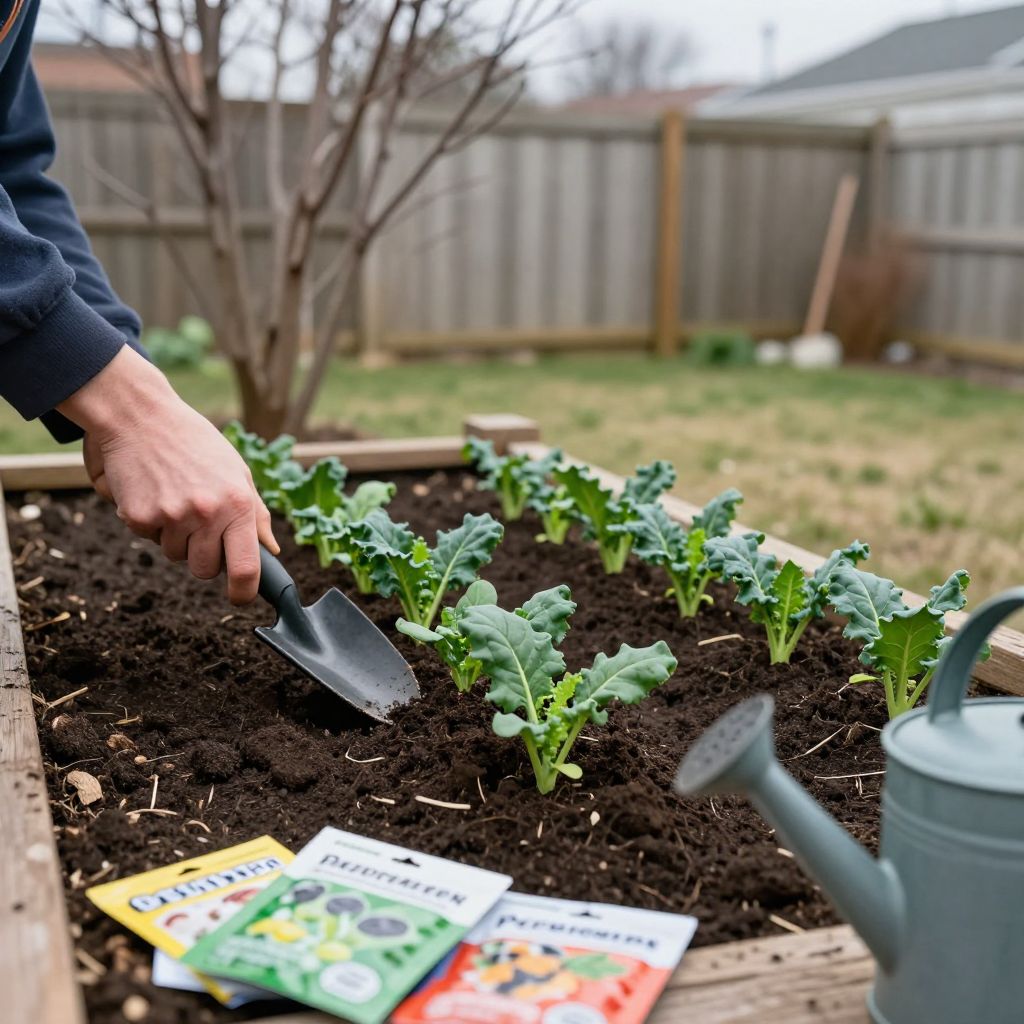
If you’re wondering what to plant in January, the best answer depends on your climate, but this month can still be very productive. In many regions, January is ideal for sowing hardy vegetables, starting seeds indoors, planting bare-root trees and shrubs, and preparing beds for spring.
The key is matching the task to your weather. In cold areas, January is mostly for indoor sowing and planning; in mild or frost-free climates, you can plant a wider range outdoors with good soil preparation and protection from cold snaps.
What to plant in January?
January is a good month for cold-tolerant crops, indoor seed starting, and dormant planting where the ground is workable. Sow hardy vegetables such as spinach, lettuce, onions, and peas in mild climates, start slow growers indoors, and plant bare-root trees, shrubs, and perennials while they are dormant.
What you can plant outdoors in January
Outdoor planting in January depends on whether your soil is frozen and how often hard frosts occur. If the ground is workable, focus on plants that tolerate cool temperatures and short days.
Hardy vegetables for direct sowing
In mild winter areas, you can sow cool-season crops directly into prepared beds. These usually germinate in cool soil and continue growing slowly until spring.
- Spinach
- Lettuce and other hardy salad greens
- Radishes
- Carrots in milder soils
- Peas, especially early sowing in temperate climates
- Broad beans in suitable regions
- Turnips and beets where winters are not severe
These crops need well-drained soil and a bed that is not waterlogged. A light fleece, cloche, or cold frame can improve success and protect seedlings from sudden temperature drops.
Onions, garlic, and shallots
January can be a useful month for planting garlic in mild climates or for setting out onion sets and shallots where winters are gentle. These crops prefer free-draining soil and full sun.
Plant cloves or sets at the correct depth, usually just deep enough to cover them well without burying them too far. If your soil stays wet in winter, raise the bed slightly or add organic matter to improve drainage.
Bare-root trees, shrubs, and roses
January is often one of the best months to plant bare-root fruit trees, ornamental trees, hedging plants, and roses while they are dormant. This is especially true in regions where the ground is not frozen solid.
Planting while dormant reduces transplant stress and gives roots time to settle before spring growth begins. Water in thoroughly after planting, then mulch around the base, keeping mulch a little away from the stem or trunk.
Perennials and ground cover
If your climate allows winter planting, some hardy perennials and ground covers can be planted in January. Choose plants suited to your local conditions and avoid anything that dislikes cold, wet soil.
Good drainage matters more than fertilizer at this time of year. Roots can rot if they sit in cold, saturated ground for too long.
What to plant indoors in January
For many gardeners, January is the real start of the growing season indoors. Use bright windows, grow lights, or a heated propagator if needed, because light levels are usually too low for strong growth outdoors.
Vegetables to start from seed indoors
Start slow-growing crops indoors so they are ready to move outside later in spring. This is especially useful in shorter-season climates.
- Tomatoes
- Peppers
- Eggplants
- Celery and celeriac
- Leeks
- Broccoli and other brassicas, if your schedule calls for an early start
These seeds usually need warmth and steady moisture to germinate well. Once seedlings emerge, give them as much light as possible to prevent weak, leggy growth.
Flowers to sow indoors
Many annual flowers can be started indoors in January if you want earlier blooms later in the season. Choose varieties that transplant well and match your local frost dates.
- Petunias
- Snapdragons
- Verbena
- Begonias
- Sweet peas in suitable conditions
Keep in mind that some flowers germinate slowly or need specific conditions. Read the seed packet carefully and avoid sowing too early if you cannot provide enough light and space.
Herbs to start indoors
January is also a good month to begin herbs that need a long growing season. Basil, parsley, chives, and thyme can all be started indoors, though basil especially needs warmth and plenty of light.
Harvest herbs lightly once they establish, but do not overcut young seedlings. Let them build strong roots first.
How to prepare soil for January planting
Good soil preparation makes a bigger difference in January than in warmer months. Cold, wet conditions expose weak drainage and poor structure quickly.
- Check whether the soil is workable, not frozen or sticky with water.
- Remove weeds, old debris, and any diseased plant material.
- Loosen the top layer gently without overworking wet soil.
- Mix in well-rotted compost if the soil is open enough to handle it.
- Level the bed and create a fine, even seedbed for small seeds.
Do not dig or tread on soggy soil. That compacts the ground and makes drainage worse, which is especially damaging in winter.
When to add compost
Compost is helpful in January if it is fully rotted and you are improving structure, not just feeding plants. Spread it as a mulch or work it lightly into the top layer where appropriate.
Avoid fresh manure or uncomposted material around tender roots or young seedlings. It can be too strong and may encourage rot or unstable growth.
January planting care: watering, light, and protection
Newly planted winter crops and dormant plants still need care, even though growth is slow. The main challenge is not heat stress but excess moisture, poor light, and sudden cold.
Watering in winter
Water only when needed. Soil should be moist, not saturated, and containers dry out faster than garden beds because rain may not reach them evenly.
- Water after planting to settle roots and soil.
- Check containers and sheltered spots more often than open beds.
- Water in the morning so excess moisture does not sit overnight in cold weather.
- Avoid watering frozen soil or frozen containers.
Light and temperature for indoor seedlings
Seedlings started in January often fail because they stretch toward weak light. A bright south-facing window may help, but grow lights are usually more reliable.
Keep lights close enough to prevent legginess, and rotate trays if needed. Also avoid placing seedlings near cold windowsills or hot radiators, both of which can stress young plants.
Protecting outdoor plants
Use fleece, cloches, cold frames, or row cover to protect tender seedlings and newly planted crops from frost. Ventilate covers on mild days to prevent condensation and fungal problems.
Mulch around dormant shrubs, roses, and perennials to buffer temperature swings. Keep mulch a few centimeters away from stems and trunks to reduce rot risk.
Common mistakes when planting in January
January gardening is often successful when you avoid a few predictable errors. Most problems come from rushing into the garden before conditions are right.
- Planting into cold, waterlogged soil causes poor root growth and rot.
- Sowing too early indoors without enough light leads to weak seedlings.
- Overwatering is one of the most common winter mistakes.
- Ignoring local frost dates can damage tender plants after transplanting.
- Forgetting ventilation under covers encourages mold and damping off.
If you are unsure, wait a week rather than forcing a planting date. In January, timing based on your local weather is usually more important than the calendar.
Troubleshooting January sowing and planting
If seeds do not germinate, the cause is often cold soil, old seed, or uneven moisture. Check the packet for the expected germination temperature and keep the surface consistently damp, not soaked.
If seedlings topple or develop a thin stem at the base, they may have damping off, which is encouraged by poor airflow and overly wet compost. Improve ventilation, use clean trays, and avoid overcrowding.
If newly planted shrubs or trees look stressed, inspect drainage first. Winter planting succeeds best in soil that drains freely and stays just moist enough for roots to establish.
Best January gardening tasks beyond planting
Even if your climate is too cold for much outdoor planting, January is still a productive month for garden maintenance. These jobs make spring planting easier and more successful.
- Order seeds and check what you already have.
- Clean and sharpen tools.
- Plan crop rotation for vegetables.
- Check stored bulbs, tubers, and harvested produce for rot.
- Prune only plants that are suitable for winter pruning in your region.
- Prepare pots, trays, labels, and compost for seed starting.
Use this quieter month to improve your setup so that when conditions improve, you can plant quickly and confidently.
Conclusion
What to plant in January depends on your climate, but you can usually sow hardy vegetables, start tender crops indoors, and plant dormant trees, shrubs, and roses where the ground allows. Focus on drainage, light, and frost protection, and let local conditions guide your timing. If you want to keep planning, read more about seed starting and early-season vegetable gardening to build a stronger planting schedule.