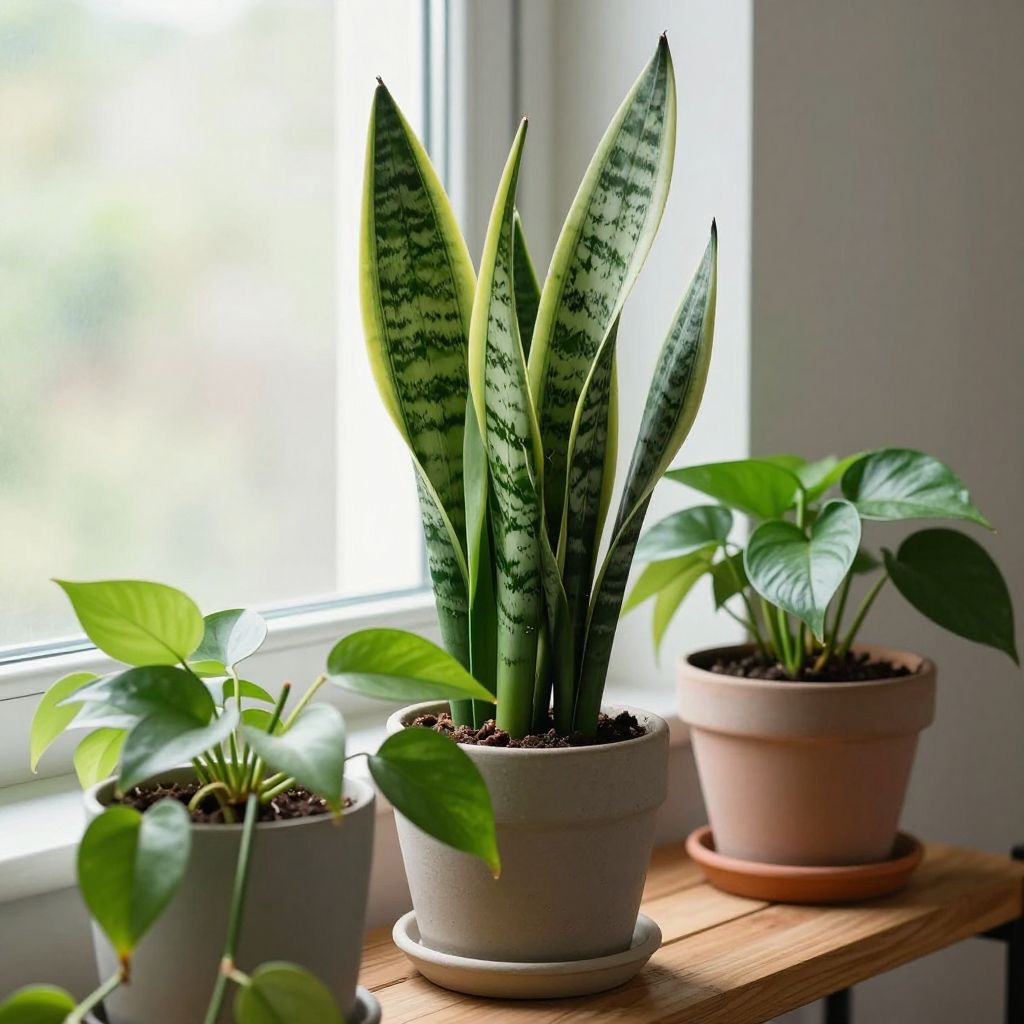
Wondering what plants don’t need sunlight? The short answer is that no plant can live with zero light forever, but many houseplants and shade-loving species can grow well in very low light or under artificial light. The best choices are plants adapted to forest floors, deep shade, or indoor spaces away from windows.
If your room is dim or your garden has heavy shade, you still have options. The key is choosing the right plant, using well-drained soil, and adjusting watering because low light usually means slower growth and less water use.
What plants don’t need sunlight?
Plants that don’t need much sunlight are usually low-light plants, not truly no-light plants. Good examples include snake plant, ZZ plant, pothos, cast iron plant, peace lily, Chinese evergreen, ferns, and some mosses. They can tolerate shade or indirect light, but they still need some light to stay healthy.
Understanding “no sunlight” versus “low light”
It helps to separate two different situations: indoor spaces with very little natural light and outdoor areas with deep shade. Most plants that seem to “not need sunlight” are really adapted to filtered light, bright shade, or artificial light.
What happens if a plant gets too little light?
When light is too low, plants often grow slowly, stretch toward windows, lose color, or drop leaves. Flowering plants may stop blooming, and soil can stay wet too long, which increases rot.
Can any plant grow with no light at all?
No. Plants need light for photosynthesis. Some can survive for a while in darkness, but long-term growth requires at least some light from a window, a shaded outdoor spot, or a grow light.
Best plants for low-light indoor spaces
If you want plants for a bedroom, hallway, office, or north-facing room, choose species known for tolerating shade. These are among the most reliable options for beginners.
- Snake plant (Dracaena trifasciata)
- ZZ plant (Zamioculcas zamiifolia)
- Pothos (Epipremnum aureum)
- Peace lily (Spathiphyllum spp.)
- Chinese evergreen (Aglaonema spp.)
- Cast iron plant (Aspidistra elatior)
- Heartleaf philodendron (Philodendron hederaceum)
- Boston fern (Nephrolepis exaltata) in humid conditions
Why these plants work in low light
These plants naturally grow under tree canopies or in shaded habitats. They usually have broader leaves, slower growth, and a better ability to cope with lower light levels than sun-loving vegetables or flowering annuals.
Best plants for shady outdoor areas
For gardens, patios, and borders with little direct sun, choose shade-tolerant plants that match your climate and soil. Deep shade under trees is different from bright shade beside a wall, so observe the site before planting.
- Hostas (Hosta spp.)
- Ferns such as lady fern (Athyrium filix-femina)
- Astilbe (Astilbe spp.)
- Heuchera (Heuchera spp.)
- Bleeding heart (Lamprocapnos spectabilis)
- Impatiens (Impatiens walleriana) for seasonal color in shade
Even shade plants usually do best with some indirect brightness. Dense, dry shade beneath mature trees is one of the hardest conditions, so soil improvement and watering matter as much as plant choice.
How to grow low-light plants successfully
Low-light plants are often easy to keep alive, but they fail when overwatered or planted in heavy, soggy soil. The most important rule is to match the plant to the light you actually have, not the light you wish you had.
1. Choose the right location
Place indoor plants near a window if possible, even if it is not a sunny one. For outdoor planting, use bright shade, dappled shade, or morning sun with afternoon shade, depending on the plant.
2. Use the right soil
Most low-light houseplants prefer a potting mix that drains well. A standard indoor potting mix is often enough, but if the soil stays wet too long, add perlite, orchid bark, or coarse sand in small amounts to improve drainage.
For shade garden plants, work in compost to improve soil structure, especially if the ground is compacted. Avoid creating a rich, water-holding mud that stays wet after rain.
3. Water carefully
Low light slows growth, so plants use water more slowly. Check the soil before watering instead of following a fixed schedule.
- For most houseplants, water when the top 1 to 2 inches of soil feel dry.
- For moisture-loving shade plants like ferns, keep the soil evenly moist but not soggy.
- Empty saucers and cachepots so roots do not sit in water.
4. Feed lightly
Plants in low light usually need less fertilizer than plants in bright light. Feed only during active growth, and use a balanced houseplant or garden fertilizer according to the label. Too much fertilizer can cause weak growth, salt buildup, or burned roots.
5. Prune and clean regularly
Remove yellow leaves, dead stems, and spent flowers. For trailing plants like pothos, pinch or trim leggy stems to encourage fuller growth. Wipe dust from large leaves so they can absorb what light is available.
Artificial light can help a lot
If your home is too dark for even low-light plants, grow lights are a practical solution. A simple LED grow light can make a big difference for indoor plants that would otherwise stretch or decline.
How to use grow lights
Keep the light close enough to be useful, but not so close that it overheats foliage. Many beginners do well with 10 to 14 hours of light a day, then adjust based on the plant’s response and the strength of the light.
Watch the plant, not just the clock. If leaves bleach, curl, or dry out, the light may be too intense. If stems become long and weak, the plant may still need more light.
Common mistakes with low-light plants
Most problems with plants that “don’t need sunlight” come from misunderstanding their needs. These are the most common mistakes to avoid.
- Overwatering because the plant grows slowly.
- Using heavy soil that stays wet for too long.
- Placing shade plants in total darkness and expecting normal growth.
- Moving a plant too quickly from bright light to a dark room.
- Fertilizing too often when growth is already slow.
Signs your plant needs more light
- Long, stretched stems
- Pale or smaller new leaves
- Few leaves near the base
- Slow recovery after watering
- Reduced flowering in blooming plants
Signs your plant has too much light
- Brown, crispy patches
- Bleached or faded leaves
- Wilting even when soil is moist
- Leaf curl or scorch on exposed sides
Pests and diseases in low-light conditions
Low-light plants can be more vulnerable to root rot and fungus gnats if soil stays damp. Indoor shade also makes it easier to miss early pest problems because growth is slower and symptoms appear gradually.
What to watch for
- Root rot: yellowing leaves, soft stems, sour-smelling soil
- Fungus gnats: tiny flying insects around moist potting mix
- Spider mites: fine webbing and speckled leaves, especially indoors
- Mealybugs: white cottony clusters on stems and leaf joints
To reduce problems, let the soil dry appropriately between waterings, improve airflow, and inspect new plants before bringing them home. If a plant is badly affected, isolate it and treat it promptly.
Propagation and maintenance tips
Many low-light houseplants are easy to propagate, which is helpful if you want to fill a shady room without buying many new plants. Pothos and philodendron root well from stem cuttings in water or moist potting mix, while snake plant and ZZ plant are usually slower to multiply.
Simple maintenance routine
- Check soil moisture before watering.
- Rotate pots every few weeks so growth stays even.
- Remove dead or yellowing leaves.
- Dust leaves monthly if they collect buildup.
- Repot only when roots clearly outgrow the container.
Repotting should be done when the plant is rootbound or the mix breaks down, not just on a strict calendar. In low light, many plants stay in the same pot longer than sun-loving plants.
Choosing the right plant for your space
The best plant for you depends on how much light the space actually gets, how often you water, and whether you want foliage, flowers, or a low-maintenance display. A bathroom with humidity may suit a fern, while a dry office may be better for a snake plant or ZZ plant.
If you are unsure, start with one forgiving plant and observe it for a few weeks. Healthy new growth, firm leaves, and stable color are better signs than dramatic growth in a low-light room.
Conclusion
When people ask what plants don’t need sunlight, the real answer is that many plants need very little light, not none at all. Pick a shade-tolerant species, use well-drained soil, water only as needed, and add a grow light if the room is too dark. Start with one low-light plant and adjust from there.
For more indoor-growing ideas, you may also find this guide helpful: can you grow strawberries indoors?