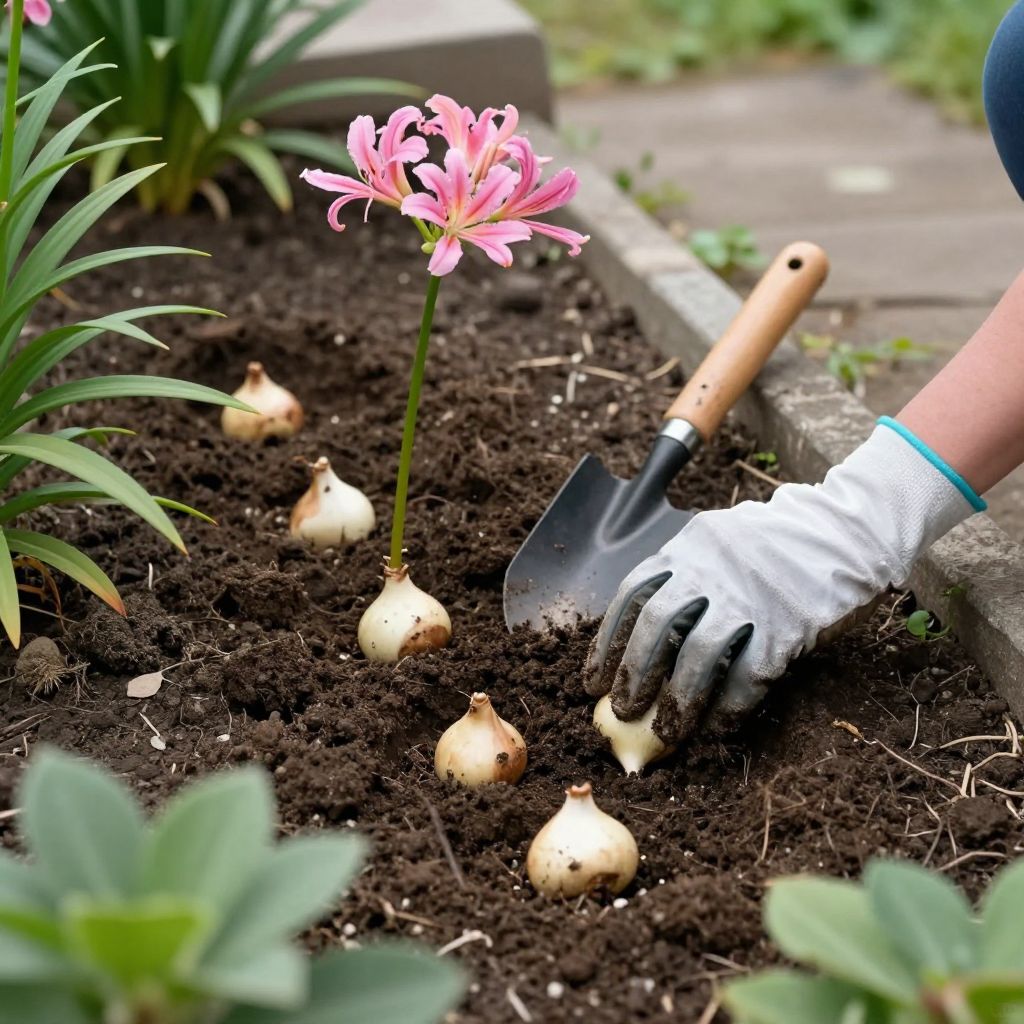
Wondering when to plant naked lady bulbs so they bloom well and settle in without stress? The best time is usually late summer to early fall, while the bulbs are dormant and before the ground freezes. In mild climates, you can also plant them in early fall or even very early spring if the bulbs are still firm and healthy.
Naked lady bulbs are the bulbs of Amaryllis belladonna, a summer-dormant perennial known for sending up leafless flower stalks first, then foliage later. If you plant them at the right time and in a sunny, well-drained spot, they can establish slowly and reward you with reliable late-season flowers for years.
When to plant naked lady bulbs?
Plant naked lady bulbs in late summer to early fall in most climates, ideally after the hottest weather has eased but before cold, wet winter soil arrives. This gives the bulbs time to root while dormant. In very mild regions, fall planting is often best; in colder areas, plant as soon as the soil is workable and drainage is good.
Why timing matters for naked lady bulbs
Timing is important because naked lady bulbs are not like spring bulbs that need a long cold period before flowering. They prefer a dry resting phase in summer and root best when temperatures begin to cool.
If you plant too late in cold, soggy soil, the bulbs may rot before they establish. If you plant during active growth or while the soil is waterlogged, they can struggle to settle in and may bloom poorly the first season.
Best planting window by climate
- Mild climates: late summer through fall is usually ideal.
- Cooler climates: plant in early fall so roots can develop before winter.
- Very wet winters: prioritize drainage and consider raised beds or mounds.
- Hot, dry summers: wait until the intense heat begins to pass, then plant.
How to plant naked lady bulbs correctly
Choose a site with full sun to light shade and excellent drainage. These bulbs dislike sitting in wet soil, especially during dormancy. A sandy or gritty loam is ideal, but average garden soil can work if it drains well.
- Pick a sunny spot with room for clumps to expand over time.
- Loosen the soil to a depth of about 8 to 12 inches.
- Mix in compost if the soil is poor, but avoid making it overly rich and heavy.
- Set bulbs with the neck and top portion slightly above the soil line, or just barely covered, depending on local conditions and bulb size.
- Space bulbs several inches apart so they can multiply naturally.
- Water once after planting to settle the soil, then keep moisture moderate, not soggy.
Good drainage is the single most important factor. If your soil stays wet after rain, plant in a raised bed, a slope, or a berm rather than in a low spot.
Soil and compost tips
Naked lady bulbs do best in soil that drains quickly. If your garden soil is heavy clay, work in coarse compost and grit where appropriate, but do not overdo organic matter if it makes the bed hold too much moisture.
A thin layer of compost on top of the soil can help, but avoid burying the bulb too deeply in rich, damp material. These bulbs are adapted to leaner conditions than many garden flowers.
What happens after planting?
After planting, the bulbs usually spend time rooting before flowering. Depending on your climate and the bulb’s condition, you may see leaves first, flowers first, or both in a pattern that seems delayed or irregular. That is normal for Amaryllis belladonna.
Newly planted bulbs sometimes take a season or two to settle in. A bulb that looks quiet at first may still be establishing underground, so avoid digging it up to check too soon.
Watering after planting
- Water once after planting to eliminate air pockets.
- After that, water only when the soil is drying and the plant is actively growing.
- Reduce watering when the foliage dies back and the bulb enters dormancy.
- Avoid frequent shallow watering, which can encourage rot.
If you garden in a rainy region, you may not need much supplemental water at all. In dry climates, occasional deep watering during active growth is better than frequent light watering.
Sunlight, spacing, and site selection
Naked lady bulbs flower best in a bright, open position. They can tolerate some light shade, but too much shade often leads to weaker flowering and floppy growth.
Give each bulb enough room to form a clump over time. Mature plants can spread slowly, and crowded bulbs may flower less freely if airflow and light are limited.
Good places to plant them
- South- or west-facing borders
- Dry slopes or banks
- Raised beds with well-drained soil
- Mixed perennial beds where summer dormancy will not leave an awkward gap
Common mistakes to avoid
Most problems with naked lady bulbs come from poor timing or too much moisture. Avoid these common errors:
- Planting in cold, wet soil that encourages rot.
- Overwatering during dormancy.
- Planting too deep in heavy soil.
- Choosing deep shade instead of a bright site.
- Digging up bulbs too often after planting.
If your bulbs fail to bloom the first year, do not assume they are dead. They may simply be establishing roots or adjusting to a new site.
How to care for naked lady bulbs through the year
These bulbs have a seasonal rhythm that can surprise new gardeners. The flowers often appear on bare stalks, and the leaves may arrive later. That is part of the plant’s normal cycle.
During active growth
When leaves are present, the plant is storing energy for future flowering. Keep the soil lightly moist if conditions are dry, and remove weeds that compete for water and light.
During dormancy
When foliage dies back, reduce watering sharply. The bulb prefers a dry rest, especially in summer. In very wet climates, this is when drainage becomes most important.
After flowering
Let the foliage continue growing if it appears. The leaves help recharge the bulb for next season. Avoid cutting them back too early unless they are fully yellow and naturally declining.
Pests and diseases to watch for
Naked lady bulbs are generally not high-maintenance, but they can suffer if conditions are wrong. The most common issue is bulb rot from excess moisture. Slugs and snails may nibble young growth in damp gardens, and rodents may occasionally disturb bulbs.
- Bulb rot: prevent with well-drained soil and careful watering.
- Slugs/snails: check new shoots and use physical control methods if needed.
- Rodent damage: plant in protected beds or use barriers if wildlife is a problem.
If foliage turns yellow too early during active growth, check for water stress, poor drainage, or overcrowding before assuming disease.
Can you divide or move naked lady bulbs?
Yes, but only when the bulbs are dormant and the clump is not actively growing. Division is best done carefully, because these bulbs prefer to be left alone once established.
If you need to move them, lift the clump during dormancy, separate offsets gently, and replant immediately in a prepared, well-drained site. Water lightly after planting and then let the soil dry somewhat between waterings.
What to expect in the first year
Newly planted naked lady bulbs may not bloom immediately, especially if they were recently divided or moved. That does not necessarily mean you planted them at the wrong time.
The first year is often about root growth and adaptation. With the right planting window, good drainage, and patience, flowering usually improves as the bulbs settle in.
Quick planting checklist
- Plant in late summer to early fall when possible.
- Choose a sunny, well-drained site.
- Keep the bulb shallow rather than deeply buried.
- Water once after planting, then sparingly.
- Protect the bulb from winter wet and summer overwatering.
- Leave foliage in place until it fades naturally.
If you want to grow naked lady bulbs successfully, start with the right planting time and a dry, sunny location. Check your soil drainage first, then plant during your local late-summer or fall window for the best chance of strong roots and future blooms.
For more practical bulb-growing advice, you may also enjoy reading about how to plant spring bulbs for strong blooms and improving heavy garden soil for better drainage.