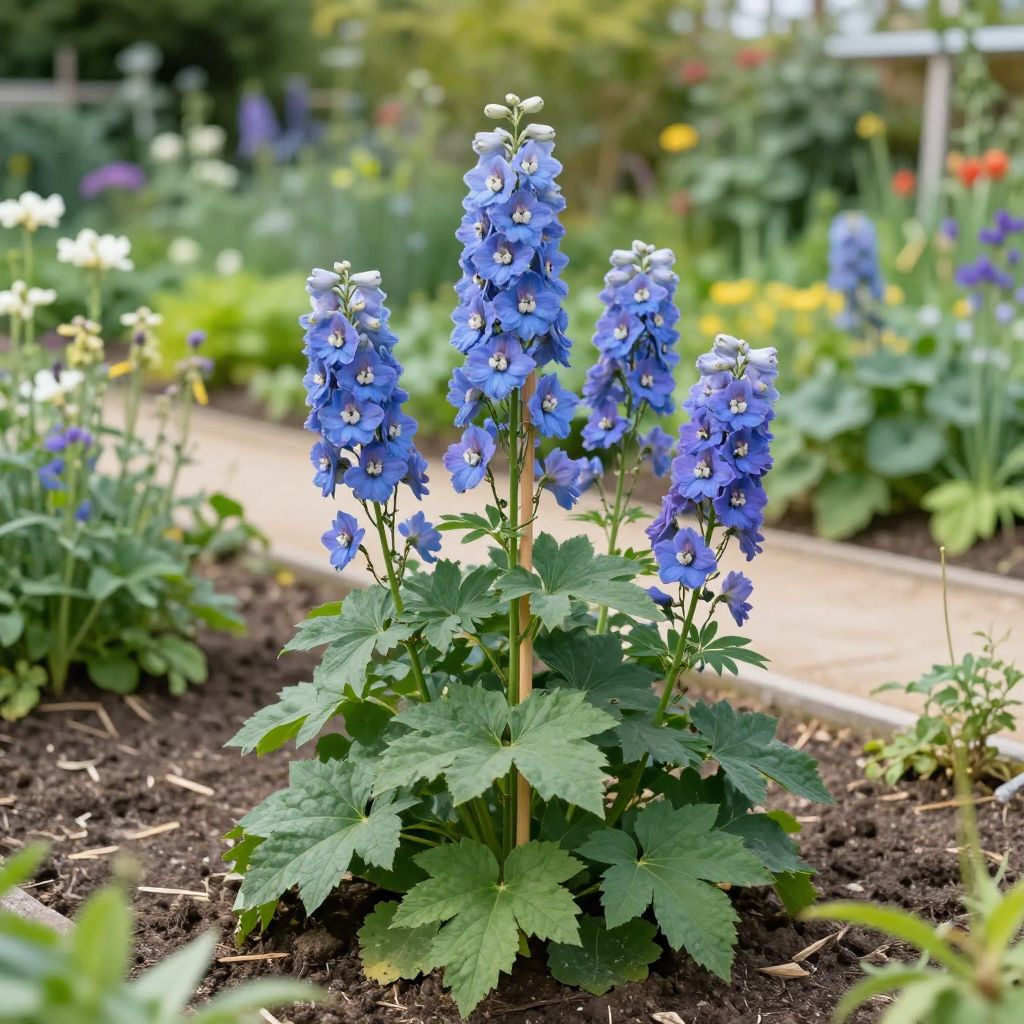
Are delphiniums perennials? In most gardens, yes—Delphinium species and many garden hybrids are perennial plants, meaning they can live for several years and return from the crown or root system. The catch is that they are often short-lived perennials and can be fussy about heat, wet soil, and poor drainage.
If you give them the right conditions, delphiniums can come back reliably and produce tall, dramatic flower spikes. If not, they may behave like biennials or simply decline after a few seasons, so knowing how to grow them well makes a big difference.
Are delphiniums perennials?
Yes, delphiniums are generally perennial flowers, but many are not long-lived. In cool climates with rich, well-drained soil and steady moisture, they can return for several years. In hot summers, heavy clay, or humidity, they often weaken quickly and may need replacement or division to stay vigorous.
What kind of perennial is a delphinium?
Delphiniums are herbaceous perennials, which means the top growth dies back in winter while the crown and roots survive underground. In spring, healthy plants send up new shoots and flower stems. Some gardeners grow annual larkspur, which is a different plant, so it helps to check the label carefully.
Delphinium vs. larkspur
- Delphinium: usually perennial, taller, larger flower spikes, often grown as border plants.
- Larkspur (Consolida spp.): usually annual, often grown from seed each year.
That distinction matters because care, lifespan, and expectations are different. If you want a plant that returns, make sure you are buying true delphiniums rather than annual larkspur.
How long do delphiniums live?
Many delphiniums are considered short-lived perennials. Some last only two or three years, while others persist longer with excellent care. Their lifespan depends heavily on climate, soil drainage, summer temperatures, and how well you protect the crown from stress.
Think of them as perennials that reward good conditions rather than carefree, permanent shrubs. If you want a long-lasting display, it is smart to plant a few new delphiniums every couple of years so older plants can be replaced as they fade.
Best growing conditions for perennial delphiniums
Delphiniums perform best in cool to mild climates with full sun, fertile soil, and consistent moisture. They dislike hot, dry sites and struggle in waterlogged ground. Good airflow also helps reduce disease, especially in humid regions.
Sunlight
Give delphiniums at least 6 hours of sun daily, with afternoon shade helpful in warmer climates. In very hot areas, morning sun and light afternoon protection can reduce stress and help flowers last longer.
Soil
Delphiniums prefer deep, fertile, well-drained soil with plenty of organic matter. They do best in soil that holds moisture without staying soggy. If your soil is heavy clay, improve it with compost and plant in a raised bed or well-draining border.
Drainage
Poor drainage is one of the fastest ways to lose a delphinium. Roots and crowns can rot if they sit in wet soil, especially in winter. If water pools after rain, choose a different site or build up the planting area before planting.
Temperature
Cool summers suit delphiniums best. In regions with intense heat, they may bloom once and then decline, or they may need extra mulch, afternoon shade, and careful watering to survive. Local climate matters more than any general rule.
How to plant delphiniums for long-term success
Planting well is the best way to help delphiniums behave like true perennials. Start with healthy plants, prepare the soil deeply, and avoid burying the crown too far below the surface.
- Choose a site with full sun and good drainage.
- Work compost into the soil before planting.
- Set plants at the same depth they were growing in the pot.
- Water thoroughly after planting.
- Mulch lightly to keep roots cool and soil evenly moist.
Avoid planting delphiniums in low spots where cold air, frost, or standing water collects. They also do poorly where roots compete with thirsty trees and shrubs.
Spacing and support
Give plants enough space for air movement, usually around 18 to 24 inches apart for many garden forms, though larger varieties may need more room. Tall flower spikes often need staking, especially in windy areas or rich soil that encourages tall growth.
Watering and feeding delphiniums
Delphiniums like steady moisture, especially during active growth and flowering. They do not want to dry out completely, but they also do not tolerate soggy roots. Water deeply when the top layer of soil begins to dry, adjusting for rain, soil type, and plant size.
Feeding should support growth without forcing weak, floppy stems. A top dressing of compost in spring is often enough in rich soil. In poorer soil, a balanced slow-release fertilizer can help, but avoid overfeeding with nitrogen, which can produce lush leaves and fewer flowers.
Mulching
A 2- to 3-inch layer of organic mulch can help conserve moisture and keep roots cooler. Keep mulch a little away from the crown so the base of the plant does not stay damp and rot.
Pruning and deadheading: do delphiniums come back better?
Yes, careful pruning can improve the plant’s appearance and sometimes encourage a second flush of bloom. Deadhead spent flower spikes to keep the plant tidy and reduce energy spent on seed production. Cut the spike back to a strong side shoot or healthy foliage.
After flowering, some gardeners cut delphiniums back more strongly to encourage fresh leaves and possibly a smaller repeat bloom later in the season. If the plant looks tired in hot weather, leaving some foliage in place helps it recover.
End-of-season care
- Remove dead or diseased stems.
- Leave healthy foliage until it yellows naturally, if possible.
- Cut back after frost or when the plant has finished for the season.
- Apply a light mulch in colder areas to protect the crown.
Common problems that shorten delphinium lifespan
Delphiniums can be perennial, but several problems make them short-lived. The most common are heat stress, crown rot, powdery mildew, slugs, and weak stems from poor light or too much nitrogen. Catching these early helps the plant stay vigorous longer.
Crown rot and root rot
These are usually caused by wet soil or poor drainage. Symptoms include wilting, yellowing, and a collapsing crown even when the soil is moist. Once rot sets in, recovery is difficult, so prevention is the best strategy.
Powdery mildew
White, dusty growth on leaves is a common sign of powdery mildew, especially in crowded or humid plantings. Improve airflow, water at the base, and remove badly affected leaves. Avoid wetting the foliage in the evening.
Slugs and snails
Young shoots are especially attractive to slugs and snails. Use practical controls such as hand-picking, barriers, and reducing hiding spots near the plant. Healthy, vigorous plants usually recover better from minor damage.
Weak stems and flopping
Delphiniums can flop if they get too much shade, too much nitrogen, or are planted in very rich soil without support. Staking early is easier than trying to rescue a leaning plant after the spikes have grown tall.
How to propagate delphiniums
If you want more perennial delphiniums, propagation can help you replace older plants. The easiest methods are seed, division, or basal cuttings, depending on the type of delphinium you grow and your experience level.
Division
Some delphiniums can be divided in spring when new growth starts, but not all plants respond well. Divide only healthy, established clumps, and make sure each section has roots and at least one strong growth point. Replant quickly and water well.
Seed
Delphiniums can be grown from seed, though seedlings may vary from the parent plant. Seed is a good option if you want to raise replacements for short-lived plants. Start with fresh seed and follow the packet instructions for your climate.
Basal cuttings
Basal cuttings taken from young spring shoots can produce new plants that are true to type. This is a useful method if you want to keep a favorite variety going, but it takes patience and a bit more skill.
Should you treat delphiniums as annuals?
In some gardens, yes. If your summers are very hot, your soil stays wet, or your winters are extreme, delphiniums may not return reliably. In those conditions, many gardeners treat them as short-lived perennials or even seasonal plants and replant as needed.
That does not mean you cannot grow them. It simply means you should set realistic expectations and focus on giving them the best possible site. A well-placed delphinium can still be spectacular even if it lasts only a few seasons.
Best uses in the garden
Delphiniums are classic border plants that add height, color, and a strong vertical line. They pair well with roses, peonies, foxgloves, irises, and other cottage-garden favorites, especially where their cool-toned flowers can stand out against softer foliage.
Use them where you can admire the spikes up close and where taller stems will not be hidden by shrubs. Because they are often short-lived, it is wise to plant them in groups and mix them with other perennials that fill in as older plants fade.
Quick care checklist
- Plant in full sun with afternoon shade in hot climates.
- Use fertile, well-drained soil enriched with compost.
- Water consistently, especially during dry spells.
- Stake tall varieties early.
- Deadhead spent spikes to tidy the plant.
- Watch for slugs, mildew, and crown rot.
- Expect some plants to be short-lived and plan replacements.
Conclusion
So, are delphiniums perennials? Yes, but often short-lived ones that need the right conditions to thrive year after year. If you want them to return, focus on cool sun, rich well-drained soil, steady moisture, and good airflow. Start by checking your planting site, then improve the soil before you plant.
If you want more help choosing long-lasting border plants and caring for them well, look for related guides on perennial flower care and cottage garden planting.