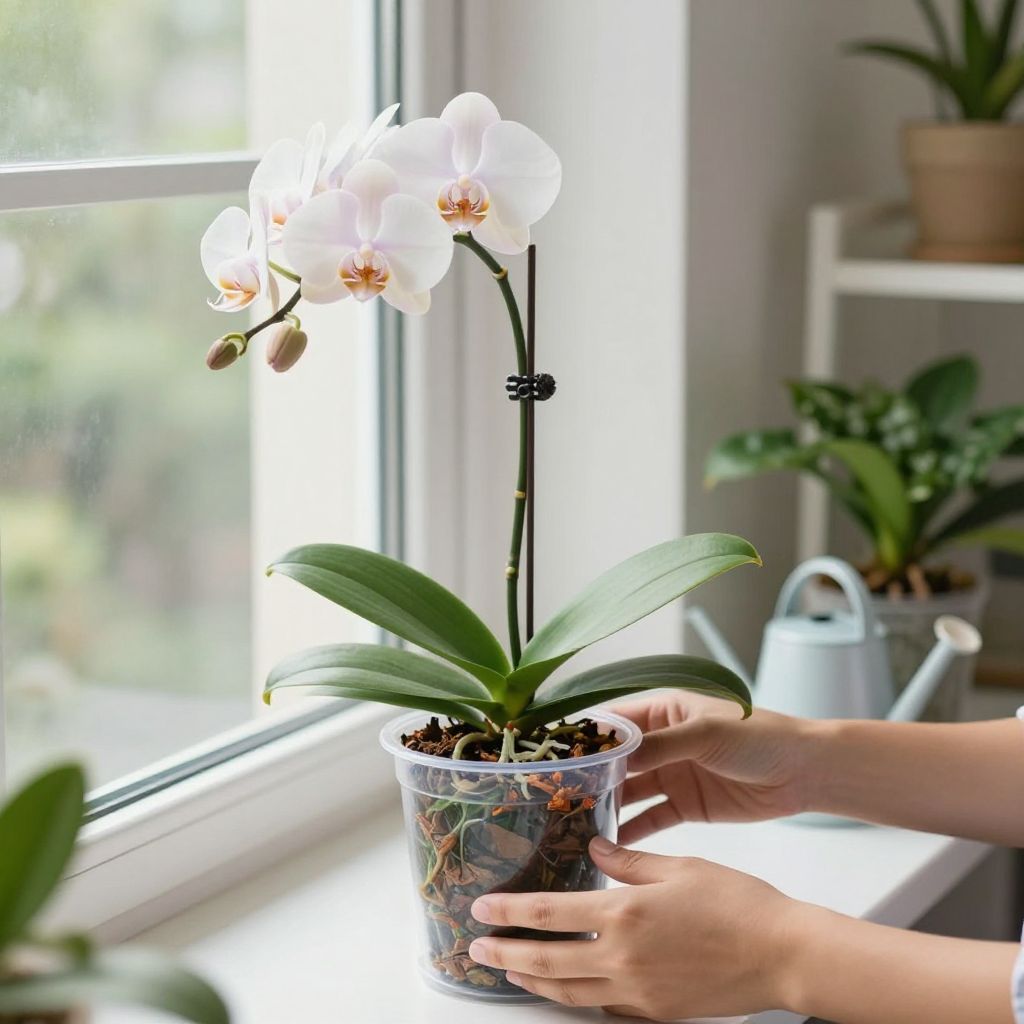
Are orchids hard to take care of? Not usually—but they do need a different routine than most houseplants. The biggest mistake is treating them like ordinary potted flowers, which often leads to root rot, poor blooming, or leaf damage.
Once you understand their light, watering, and potting needs, orchids can be surprisingly manageable. Many beginner growers do well with Phalaenopsis orchids, especially indoors, because they adapt to typical home conditions better than many other orchid types.
Are orchids hard to take care of?
Orchids are not truly hard to care for, but they are less forgiving of overwatering and poor drainage than many houseplants. If you give them bright indirect light, airy potting mix, and water only when the roots need it, most common orchids can thrive with fairly simple routine care.
What makes orchid care different?
Orchids are epiphytes in nature, which means many grow on trees rather than in dense soil. Their roots need air as much as moisture, so the usual “keep the potting mix evenly wet” advice often causes problems.
Why beginners struggle
- Too much water is the most common issue.
- Regular potting soil holds too much moisture for most orchids.
- Low light can prevent flowering.
- Orchids in decorative pots without drainage often decline quickly.
What orchids need instead
- Airy potting medium, such as bark-based orchid mix
- Drainage holes in the pot
- Bright, filtered light
- Watering based on root and medium dryness, not a fixed schedule
Best growing conditions for orchids
Most common house orchids do best in warm indoor conditions with steady air movement and moderate humidity. Exact needs vary by type, but a few general guidelines help you get started.
Light
Place orchids where they receive bright, indirect light. An east-facing window is often ideal, while south- or west-facing windows may need a sheer curtain to soften intense sun.
- Leaves should be medium green, not dark green and floppy.
- Yellowing or scorched patches can mean too much direct sun.
- Very dark leaves often suggest too little light for blooming.
Temperature
Many popular orchids prefer comfortable indoor temperatures similar to what people enjoy. Avoid placing them right next to heating vents, cold drafts, or air conditioners.
- Stable temperatures help reduce stress.
- A slight nighttime drop can encourage flowering in some orchids.
- Sudden swings are more harmful than slightly imperfect averages.
Humidity and airflow
Orchids appreciate moderate humidity, but stagnant air can invite rot and fungal problems. A room with gentle air movement is better than a closed, damp corner.
- Use a humidity tray if your home is very dry, but keep the pot above the water line.
- Do not mist heavily if water collects in leaf joints.
- A small fan on a low setting can improve airflow indoors.
How to water orchids correctly
Watering is the skill that makes orchid care feel easy or frustrating. The goal is to water thoroughly, then let the roots and medium dry enough to breathe before watering again.
Simple watering method
- Check the potting mix and roots before watering.
- Water until it runs freely from the drainage holes.
- Let the pot drain completely.
- Empty any saucer so the plant does not sit in water.
Signs your orchid needs water
- Roots look silvery or gray rather than green
- The pot feels much lighter than usual
- The bark mix is dry several inches down
Signs of overwatering
- Mushy or brown roots
- Yellowing lower leaves
- Constantly damp potting mix
- Foul smell from the pot
Tip: For many orchids, it is safer to underwater slightly than to keep the roots wet for too long. Healthy orchid roots need moisture, but they also need oxygen.
What kind of potting mix and pot should you use?
Most orchids should not be planted in standard houseplant soil. Use a chunky orchid mix that allows water to move through quickly while still holding some moisture around the roots.
Good potting options
- Bark-based orchid mix
- Orchid mix with perlite or charcoal for extra air space
- Clear plastic orchid pots if you want to monitor root health
Why drainage matters
Drainage holes are essential. Without them, water accumulates around the roots and increases the risk of rot, especially in cool weather or low light.
When to repot
Repot orchids when the medium breaks down, becomes compacted, or starts staying wet too long. Many growers also repot after flowering, but the best timing depends on the plant’s condition and growth cycle.
- Repot if roots are overcrowded or rotting.
- Use fresh medium when bark turns soft and decomposed.
- Choose a pot only slightly larger than the root mass.
Do orchids need fertilizer?
Yes, but lightly. Orchids generally prefer modest feeding during active growth rather than heavy fertilizer applications. Too much fertilizer can damage roots and leave salt buildup in the potting mix.
Practical feeding approach
- Use a balanced orchid fertilizer or one labeled for orchids.
- Apply only when the plant is actively growing and the roots are healthy.
- Flush the pot occasionally with plain water to reduce salt buildup.
If your orchid is stressed, newly repotted, or root-damaged, focus on recovery first. Fertilizer helps a healthy plant grow; it does not fix poor root conditions.
Pruning, grooming, and after-bloom care
Orchid care is not complicated once you know what to remove and what to leave alone. After blooming, the plant may rest, grow new leaves, or send up another flower spike depending on the type and its condition.
What to trim
- Dead, brown, or fully dried flower spikes
- Obvious dead roots during repotting
- Yellow, collapsed leaves only when they come away easily
What not to do
- Do not cut healthy green roots.
- Do not remove green leaves unless they are damaged beyond recovery.
- Do not over-prune a plant that is already weak.
Common orchid problems and how to fix them
Most orchid problems come from a few repeat causes: too much water, too little light, poor drainage, or pest pressure. Catching the issue early makes recovery much easier.
Yellow leaves
One lower leaf turning yellow can be normal aging, especially on older plants. Several yellowing leaves, however, may point to overwatering, root damage, or excessive sun.
Wrinkled leaves
Wrinkled leaves often mean the plant is not taking up enough water. Check the roots first, because damaged roots can’t absorb moisture even if the potting mix is wet.
No flowers
If your orchid grows leaves but never blooms, the usual causes are insufficient light, irregular temperatures, or a plant that needs time to mature. Adjust light before changing everything else.
Root rot
Root rot is one of the most serious orchid problems. Remove the plant from its pot, trim dead roots with clean tools, and repot into fresh, airy medium if enough healthy roots remain.
Pests and diseases to watch for
Indoor orchids can attract common houseplant pests, especially when plants are crowded or stressed. Inspect leaves, stems, and potting media regularly.
- Mealybugs: white, cottony insects in leaf joints and on roots
- Scale: small, hard bumps on leaves and stems
- Aphids: soft-bodied insects on buds and new growth
- Fungal or bacterial spots: often linked to wet foliage and poor airflow
Remove pests promptly, isolate affected plants, and improve airflow and watering habits. Clean tools before moving from one plant to another.
How to propagate orchids
Propagation depends on the orchid type. Some orchids are divided, while others produce offshoots called keikis. Because methods vary, it is best to identify your orchid before attempting propagation.
Beginner-friendly approach
- Wait until the plant is healthy and actively growing.
- Use clean, sharp tools.
- Only divide orchids that naturally form multiple growth points.
- Give new divisions extra care while roots reestablish.
For many home gardeners, buying a healthy orchid and learning its care needs is easier than propagating right away.
Are orchids easier indoors or outdoors?
For most gardeners, common orchids are easier indoors unless you live in a climate that closely matches the plant’s needs. Indoors, you can control light, temperature, and moisture more consistently.
Indoor growing advantages
- More stable temperatures
- Better protection from heavy rain and wind
- Easier pest monitoring
Outdoor growing cautions
- Rain can saturate pots too quickly
- Direct sun can scorch leaves
- Night temperatures may drop too low
If you grow orchids outdoors seasonally, move them gradually when light or temperature changes. Sudden shifts can stress the plant.
Simple orchid care checklist for beginners
- Give bright, indirect light.
- Use a pot with drainage holes.
- Plant in orchid mix, not regular soil.
- Water only when the roots and mix are drying.
- Keep air moving gently around the plant.
- Repot when the medium breaks down.
- Watch for pests, rot, and light stress.
Final thoughts
So, are orchids hard to take care of? They are manageable once you stop treating them like ordinary houseplants and start working with their roots, light needs, and drainage requirements. Begin with one healthy orchid, observe how quickly it dries, and adjust your care based on your home’s conditions.
For more practical houseplant guidance, you may also find this related reading helpful: how to care for houseplants and repotting houseplants.
Leave a Reply