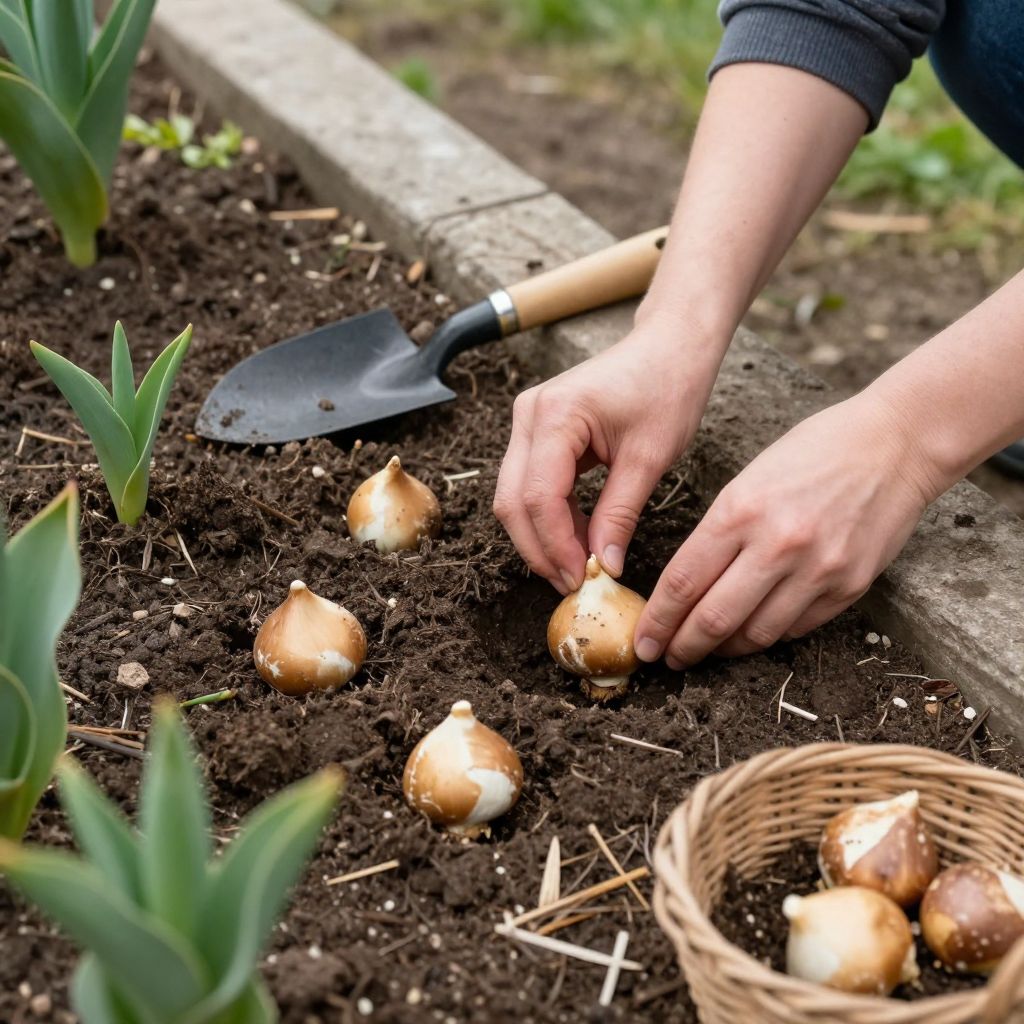
Can you plant tulips in the spring? Yes, but with an important caveat: spring-planted tulip bulbs usually won’t bloom well that same year, and some may not bloom at all. Tulips need a long, cool period to form flowers, so spring planting is often a rescue option rather than the ideal timing.
If you missed fall planting, you can still plant bulbs in spring and let them grow for next year. The key is to choose firm bulbs, give them excellent drainage, and understand that patience matters more than quick results.
Can you plant tulips in the spring?
Yes, you can plant tulips in the spring, but the results are usually disappointing for immediate flowers. Tulip bulbs need winter chilling to trigger bloom, so spring-planted bulbs often focus on root growth first and may bloom weakly, late, or not until the following year.
Why spring planting is different for tulips
Tulips are spring-flowering bulbs that are normally planted in fall so they can root before winter and receive the cold period they need. Without that cold exposure, the bulb may sprout leaves but fail to set a proper flower bud.
That does not mean spring planting is useless. It can still work as a way to save bulbs, establish them for future seasons, or plant pre-chilled bulbs in colder climates where that makes sense.
What happens if you plant tulips too late?
- The bulb may produce leaves but no flower.
- Blooms may be small, delayed, or misshapen.
- Bulbs may rot if the soil stays cold and wet.
- Some bulbs recover and bloom the following year if they are healthy.
When spring planting can still make sense
Spring planting is most useful when you find unsold bulbs, receive bulbs late, or want to plant them in containers for future bloom. It can also work if you live in a region where spring soil is still cool and workable, especially if the bulbs were properly chilled before planting.
Best-case situations for spring planting
- You have firm, healthy bulbs that have not dried out.
- The soil is workable and drains well.
- You can plant them soon after purchase.
- You are willing to wait for next season’s display.
How to plant tulip bulbs in spring
If you decide to plant tulips in spring, treat them like a recovery project. Your goal is to protect the bulb, encourage root growth, and avoid rot while giving it the best chance to store energy for later flowering.
- Choose firm bulbs. Skip bulbs that feel soft, moldy, or shriveled.
- Pick a sunny site. Full sun is best, though light afternoon shade is usually acceptable in warmer climates.
- Improve drainage. Mix in compost only if your soil is already loose; in heavy clay, raised beds or containers are often better.
- Plant at the right depth. Set bulbs about 6 to 8 inches deep, or roughly three times the bulb’s height.
- Place the pointed end up. If you cannot tell, plant the bulb on its side; it will usually correct itself.
- Water once after planting. Moisten the soil to settle it, then avoid soggy conditions.
Container planting for spring tulips
Containers can be a good option because you control drainage and can move pots if weather turns too wet. Use a pot with drainage holes and a loose potting mix, not garden soil alone.
- Choose a pot deep enough for 6 to 8 inches of planting depth.
- Keep the container in bright light.
- Protect it from prolonged soaking rain.
- Let foliage die back naturally after bloom or leaf growth.
Do tulips need cold treatment before spring planting?
Often, yes. Tulips generally need a cold period to bloom properly, and if they did not get that in the ground over winter, they may need pre-chilling before spring planting. This is especially important in mild-winter areas where bulbs never experienced enough cold naturally.
If you are in a warm climate, check whether the bulbs were already pre-chilled by the supplier. If not, you may need to chill them in a refrigerator for several weeks before planting. Keep them away from fruit, which can release ethylene gas and damage bulbs.
Basic pre-chilling tips
- Use a refrigerator, not a freezer.
- Keep bulbs dry and in a breathable paper bag if possible.
- Do not store them near apples, pears, or other ripening fruit.
- Plant them as soon as the chilling period is complete.
Soil, water, and sunlight needs
Tulips grow best in well-drained soil and bright sun. The bulbs are especially prone to rot when planted in heavy, wet ground, so drainage matters more than rich soil.
Soil conditions that help tulips
- Loose, crumbly soil that drains freely
- Neutral to slightly acidic soil is generally fine
- Compost worked in lightly for structure, not excessive fertility
- No standing water after rain
Watering after spring planting
Water once after planting to settle the soil, then water only when the top few inches begin to dry. Overwatering is one of the most common reasons spring-planted bulbs fail.
If your area gets regular spring rain, you may not need to water at all after the initial soaking. In dry, windy weather, check containers more often because pots dry out faster than garden beds.
What to expect the first season
Do not expect a full tulip display from spring-planted bulbs. Many will spend the season growing leaves and roots, and some may bloom only the following spring. If they do flower, the bloom may be smaller than usual.
Once the flowers fade, leave the foliage in place until it yellows naturally. Those leaves feed the bulb for next year’s growth.
After-bloom care
- Deadhead spent flowers so the plant does not waste energy on seed production.
- Keep the leaves intact until they yellow and collapse naturally.
- Water lightly while foliage is green if the soil is dry.
- Stop watering once the leaves die back and the bulb goes dormant.
Common problems with spring-planted tulips
Most problems come from planting at the wrong time, poor drainage, or weak bulbs. Knowing the likely issue helps you decide whether to wait, replant, or replace the bulbs later.
No flowers
This is the most common outcome. The bulb may have lacked enough cold exposure, or it may simply need one more season in the ground before it can bloom.
Leaves but no buds
This usually means the bulb is healthy enough to grow but not mature or chilled enough to flower. Keep the foliage healthy and try again next season.
Bulbs rotting
Rot usually happens in wet, compacted soil or containers without drainage. If the bulb turns soft or smells bad, it is unlikely to recover.
Short, weak growth
Weak growth can come from shallow planting, poor light, exhausted bulbs, or damage from storage. Tulips need enough energy stored in the bulb to produce strong stems.
Pests and diseases to watch for
Tulips are not especially difficult, but they can suffer from a few problems, especially when stressed by poor timing or wet soil. Healthy planting conditions are the best prevention.
- Rodents: Squirrels, mice, and voles may dig up bulbs. Wire mesh or bulb baskets can help.
- Fungal rot: Often linked to soggy soil or damaged bulbs.
- Botrytis: A gray mold that can affect leaves and flowers in damp conditions.
- Deer: Tulips are often browsed in some gardens, especially when other food is scarce.
Should you keep spring-planted tulips for next year?
Yes, if the bulbs stay firm and the foliage grows well. Some tulips are better at returning than others, but many garden tulips weaken over time, especially if conditions are not ideal. Even so, a healthy bulb can still be worth keeping.
After the foliage dies back, you can leave the bulbs in the ground if drainage is good, or lift and store them once dormant if your soil stays wet. Store them in a cool, dry, airy place until fall if you plan to replant them later.
Practical mistakes to avoid
- Planting in soggy soil or a low spot that collects water
- Expecting strong same-season bloom from untreated spring bulbs
- Cutting off leaves too early
- Overfertilizing, which can push leafy growth at the expense of flowers
- Storing bulbs in a hot garage or sealed plastic bag
Final answer: is spring the right time?
For tulips, spring is not the ideal planting time, but it can still be worth doing if you missed fall. Plant healthy bulbs promptly, give them excellent drainage, and be realistic about bloom expectations. If you want the best flower show, plan to plant tulips in fall for next spring.
For more help with timing and container growing, you may also want to read can you plant tulips in the spring and when to plant tulip bulbs in pots.