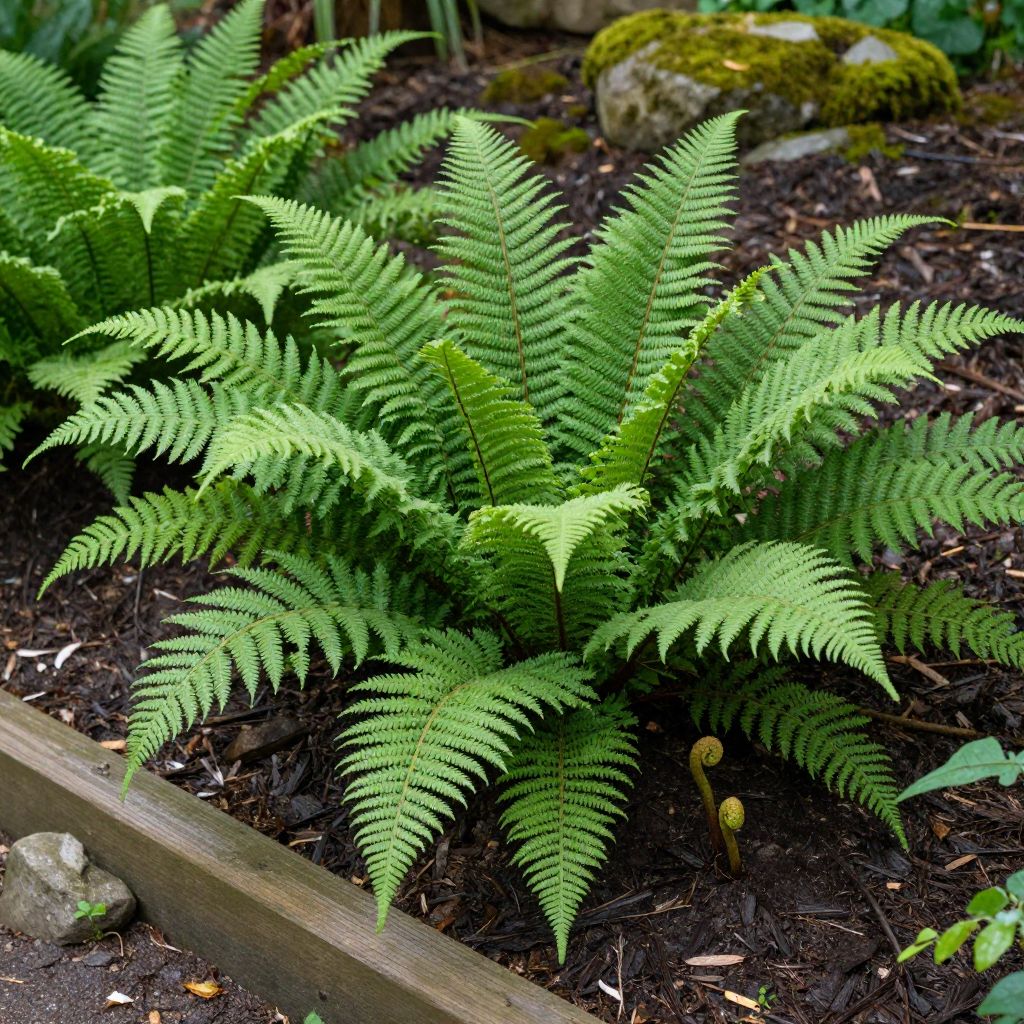
Are ferns perennials? In most gardens, yes: many ferns are perennial plants that return year after year from their crowns or rhizomes. The exact answer depends on the species and your climate, because some ferns are hardy outdoors while others are only perennial in frost-free regions or when grown indoors.
If you’re choosing a fern for shade, woodland beds, containers, or houseplant use, it helps to know how it grows, what it needs, and how to keep it healthy through the seasons. With the right conditions, ferns can be long-lived, low-maintenance additions to the garden.
Are ferns perennials?
Yes, many ferns are perennials. Hardy outdoor ferns usually die back or go dormant in cold weather and then regrow from the same root system in spring. Tropical and tender ferns can also be perennial, but only where temperatures stay mild enough or when they are grown indoors and protected from frost.
What makes a fern perennial?
Perennials are plants that live for more than two growing seasons. Ferns fit that pattern because they don’t rely on replanting from seed each year; instead, the plant persists through its underground crown, rhizome, or root mass.
Common fern growth habits
- Clumping ferns grow from a central crown and slowly widen over time.
- Spreading ferns send out rhizomes and can colonize a larger area.
- Deciduous ferns lose their fronds in winter and re-emerge in spring.
- Evergreen ferns keep some fronds year-round in mild climates.
That growth habit is why a fern can be treated like a perennial border plant, even if the top growth disappears for part of the year.
Hardy vs. tender ferns
Hardy ferns are the ones most gardeners mean when they ask, “Are ferns perennials?” These include many woodland and shade ferns that survive winter outdoors. Tender ferns, by contrast, may be perennial only in warm climates or as indoor plants.
If you’re unsure about a specific fern, check its cold tolerance before planting it in the ground. A fern that thrives in a humid conservatory may not survive a freezing winter outdoors.
How to grow perennial ferns successfully
Ferns are usually easiest to grow when you match their natural woodland conditions: filtered light, evenly moist soil, and plenty of organic matter. They do best when you avoid hot sun, dry soil, and compacted ground.
Best light conditions
- Shade to part shade is ideal for most garden ferns.
- Morning sun with afternoon shade can work in cooler climates.
- Deep shade is fine for some species, but very dark spots may slow growth.
- Harsh afternoon sun often scorches fronds and dries the soil too quickly.
Light needs vary by species, so observe how your fern responds. Pale fronds, scorched edges, or stunted growth often mean too much sun.
Soil and drainage
Ferns prefer soil that is rich, loose, and able to hold moisture without becoming soggy. A good planting mix usually includes compost or leaf mold to improve texture and feed the soil.
- Work in organic matter before planting.
- Avoid heavy, compacted clay unless you improve drainage.
- Do not plant ferns where water stands after rain.
Good drainage matters just as much as moisture. Fern roots need consistent dampness, but waterlogged soil can lead to rot.
Watering needs
Most perennial ferns like evenly moist soil, especially during establishment and hot weather. The goal is steady moisture, not constant saturation.
- Water when the top layer of soil begins to dry.
- Check containers more often than garden beds.
- Mulch around outdoor ferns to slow evaporation.
Climate, rainfall, wind, container size, and soil type all affect watering needs. In a cool, humid area, you may water far less often than in a dry or windy garden.
Planting tips for outdoor ferns
- Choose a sheltered site with shade or filtered light.
- Prepare the soil with compost, leaf mold, or other organic matter.
- Dig a hole as deep as the root ball and slightly wider.
- Set the fern at the same depth it was growing in the pot.
- Backfill gently, water well, and mulch lightly.
Do not bury the crown too deeply. Fern crowns need air circulation, and planting too low can increase rot.
Do ferns come back every year?
Many do, especially in temperate gardens. Hardy fern species often die back in winter and return from the same root system in spring. Evergreen types may keep some foliage, while tender ferns may need protection or indoor care to survive year to year.
What to expect in winter
Some ferns look dead after frost, but that doesn’t always mean they are gone. Deciduous ferns commonly collapse or brown off in cold weather, then send up fresh fronds when temperatures warm.
To avoid accidental damage, wait until spring growth begins before cutting back old fronds unless they are clearly diseased or heavily damaged.
When a fern may not return
- The species is not hardy in your climate.
- The plant dried out for too long.
- The crown rotted in poorly drained soil.
- It was planted too deeply or exposed to severe sun and heat.
If your fern fails to return, examine the planting site before replacing it. The problem is often the location rather than the plant itself.
Indoor ferns as perennial houseplants
Many popular houseplant ferns can live for years indoors if you give them stable conditions. They are perennial in the sense that the plant itself persists, though growth may slow in winter.
Indoor care basics
- Place ferns in bright, indirect light.
- Keep them away from hot radiators and cold drafts.
- Maintain even moisture in the potting mix.
- Use a pot with drainage holes.
- Raise humidity if the air is very dry.
Indoor ferns often struggle more from dry air than from lack of water in the soil. Brown tips, crispy edges, and dropping fronds are common signs of low humidity or inconsistent watering.
Repotting and renewal
Over time, a fern may outgrow its container or the potting mix may break down. Repot when roots crowd the pot or water runs through too quickly because the mix has become depleted.
Use a loose, moisture-retentive potting mix with organic matter. Divide clumping ferns carefully if you want to make new plants, but avoid dividing stressed or slow-growing specimens.
How to prune and maintain perennial ferns
Ferns need less pruning than many flowering perennials, but they do benefit from simple cleanup and seasonal maintenance. Good care keeps the plant tidy and encourages healthy new fronds.
What to remove
- Brown, dead, or damaged fronds
- Fronds affected by disease or severe pest damage
- Old foliage that blocks new spring growth
Use clean, sharp snips and cut fronds at the base. Avoid removing too much healthy foliage at once, because fronds help the plant store energy.
Mulching and feeding
A light mulch of shredded leaves or compost helps mimic the forest floor and supports moisture retention. In most gardens, ferns do not need heavy feeding.
If the soil is poor, a modest top-dressing of compost in spring is usually enough. Too much fertilizer can produce weak, floppy growth and may burn roots in containers.
Common fern problems and fixes
Even perennial ferns can run into trouble if their environment changes. Most issues are linked to water, light, or soil conditions rather than serious pests.
Yellowing fronds
Yellow fronds can mean too much water, poor drainage, too much sun, or natural aging. Check the soil first. If it stays wet for long periods, improve drainage before watering again.
Brown or crispy edges
This usually points to dry air, drought stress, or too much sun. Move container ferns to a shadier spot and water more consistently. For indoor plants, increase humidity around the plant.
Weak, sparse growth
Ferns may become thin if the soil is exhausted, the site is too dark, or the plant is overcrowded. Refresh the soil with compost, thin surrounding competition, or divide overcrowded clumps when appropriate.
Pests and diseases
Ferns are not usually pest magnets, but they can occasionally attract scale, mealybugs, slugs, or snails. Keep the area clean, inspect undersides of fronds, and remove heavily damaged foliage.
Rot problems usually come from overly wet soil and poor airflow. Spacing, drainage, and careful watering are the best prevention.
How to propagate perennial ferns
If you want more ferns, division is the most reliable method for many garden types. It is especially useful for clumping ferns that have become crowded.
Division basics
- Choose a healthy, established plant.
- Lift it carefully in cool weather or when growth is moderate.
- Separate the crown or rhizome into sections with roots attached.
- Replant promptly in moist, prepared soil.
- Water well and keep the divisions shaded while they settle in.
Not every fern divides easily, so if you are unsure, research the species first. Some ferns are better left undisturbed.
Using ferns in the landscape
Perennial ferns are excellent for shade gardens, woodland edges, under trees, and damp borders. They pair well with hostas, hellebores, astilbes, and other moisture-loving shade plants.
They also work well as low-maintenance filler plants where grass struggles, provided the soil stays reasonably moist and the site is not too hot or exposed.
Design tips
- Plant in groups for a natural, woodland look.
- Mix textures by combining fern fronds with broad-leaved shade plants.
- Use evergreen ferns near paths or entrances for year-round structure.
- Choose spreading types carefully if you want to keep them contained.
Conclusion
So, are ferns perennials? In many gardens, absolutely. The key is choosing a fern suited to your climate and giving it the shade, moisture, and soil it needs to settle in and return reliably each year.
If you’re planning a fern bed or rescuing a struggling plant, start by checking drainage, light, and winter hardiness. For more on fern care, you may also find it helpful to read do ferns need a lot of water? and what is the difference between annuals and perennials?.